
Plants
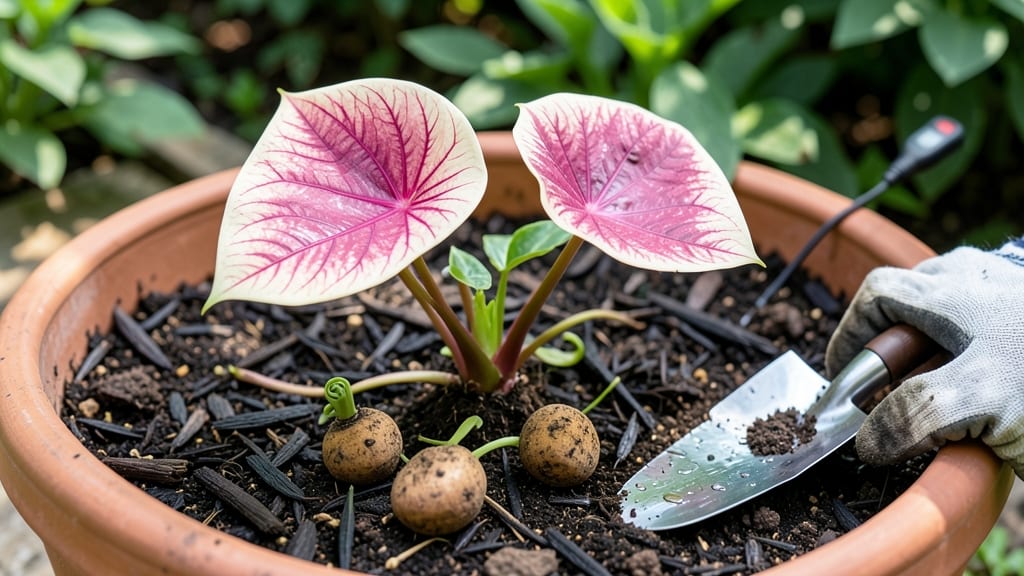
Planting caladium bulbs at the wrong time in Zone 7 can mean the difference between stunning 🌿 foliage and sad, wilted leaves before they even get started.
The key isn't just waiting for spring—it's tracking soil warmth and avoiding those sneaky late frosts that can sneak up even in Zone 7a-7b.
Most gardeners in your area reach for their caladium tubers around mid-April, but that date alone won't guarantee success. You need soil temperatures hitting at least 65°F—and that can vary by 2 weeks between coastal areas and inland spots.
Let me show you how to time it perfectly, whether you're dealing with a quick-warming spring or a stubborn chill.
Here's the game-changer: caladiums are not perennials in Zone 7—they'll die back with frost, so you're planting them as annuals each spring.
But with the right approach, you can extend their show by 3-4 months by choosing the optimal window and giving them the shade they crave during summer's peak heat.
Ready to transform your garden into a lush, colorful retreat? I'll walk you through exactly when to plant, how to prep the soil, and the simple care routine that keeps your caladiums thriving from first leaf to final frost. Let's get those bulbs in the ground the right way.
Zone 7 caladium planting timeline: soil temperature & frost-free rules
Caladium bulbs in Zone 7 need precise timing—plant them too early, and frost will kill your tubers before they sprout. Too late, and you’ll miss the 3-month growing window before summer’s intense heat slows them down.
The magic number isn’t the calendar date, but soil temperature: aim for 65°F or warmer at 4 inches deep.
In most of Zone 7, this typically aligns with mid-April to early May, but don’t rely on averages. Coastal areas like Charleston might hit 65°F by late March, while inland spots near Nashville could wait until early May.
Always check your local last frost date (usually April 15 for Zone 7a-7b) and add 2-3 weeks for safety.
Here’s the kicker: caladiums are tender annuals in Zone 7—they’ll die back with the first frost (around October 15). But with the right timing, you can stretch their vibrant foliage from late spring to early fall, giving you a 180-day show of color.
🌱
| Stage | Action | Zone 7 Timeline |
|---|---|---|
| Soil Prep | Test soil warmth | Early April (use soil thermometer) |
| Planting Window | Plant bulbs 3-4" deep | Mid-April to early May (after last frost) |
| Frost Watch | Cover if frost predicted | Until May 15 (Zone 7a) |
| Peak Growth | Water + shade prep | June-August (partial shade) |
| Dormancy Prep | Stop watering by Sept | October (before first frost) |
If your soil stays cool past early May, don’t panic—caladiums can handle light frost if planted in containers. Move pots indoors overnight until temperatures stabilize above 50°F.
For inland gardeners, focus on mulching to warm soil faster: lay down black plastic or straw mulch 2 weeks before planting to raise soil temps by 5-10°F.
Pro tip: Plant your caladium tubers (not seeds) in well-draining soil mixed with compost. They’ll sprout faster and handle Zone 7’s humidity better. Avoid heavy clay soils—they’ll suffocate the roots and cause rot.
For coastal Zone 7 gardeners, you’ve got an advantage: earlier planting (as early as March 15) works if your soil warms quickly. But always verify with a soil thermometer—caladiums won’t thrive in cold soil, even if frost risk is low.
Once planted, your caladiums will reward you with bold foliage in just 4-6 weeks. But here’s the catch: they need partial shade by July to avoid leaf scorch. Plan your garden layout now to move them under dappled sunlight or a 10% shade cloth before summer peaks.
☀️
5 Signs your Zone 7 soil is ready for caladium bulbs (and what to do if it’s not)
Your caladium bulbs won’t sprout until the soil hits 65°F, but how do you know when that’s really happening? Look for these 5 key signs your Zone 7 soil is ready—plus what to do if your garden is still too cool.
The first clue? Native plants like daylilies or black-eyed Susans starting to push through the soil.
Next, check for soil cracks in dry areas—this means the ground has warmed enough to bake slightly during the day. Stick your finger 4 inches deep; if it feels like a warm bath (around 70°F), your caladiums are ready.
For a precise reading, grab a $10 soil thermometer—this is the only foolproof way to confirm.
🌱
🔍 5 Signs Your Soil Is Ready
- 🌱 Native plants like daylilies or ferns are sprouting
- 🌡️ Soil thermometer reads 65°F+ at 4"
- 💧 Soil holds moisture but drains within 24 hours
- 🌿 No frost damage on test plants (like pansies)
- ☀️ 3+ consecutive days above 60°F
❄️ What to Do If Soil Isn’t Ready
- 🔥 Use black plastic mulch for 2 weeks to warm soil
- 🏺 Plant in containers and move indoors at night
- 🌡️ Check microclimates (south-facing beds warm faster)
- 💧 Water compost tea to boost soil microbes
- ⏳ Wait until May 1 (last resort for late springs)
If your soil is still too cool by early May, don’t rush—caladiums planted in 50°F soil will rot before sprouting. Instead, use containers filled with potting mix and place them in a sunroom or greenhouse until soil warms naturally. This trick lets you plant 2-3 weeks earlier than ground planting.
For inland Zone 7 gardeners, focus on microclimates: south-facing beds warm 5-7 days faster than north exposures. If your yard has a rocky patch, it’ll heat up quicker than loamy soil—perfect for early caladium planting. Test multiple spots with your soil thermometer to find the fastest-warming zone.
One more pro tip: if you see early leaves yellowing on your caladiums, it’s a sign the soil is still too cool. Pull up a tuber—if it feels mushy or discolored, replant it in warmer soil or a container. This simple check saves dozens of bulbs from rotting underground.
Once your soil passes these tests, your caladiums will shoot up in 7-10 days. But here’s the catch: they’ll need partial shade by June to prevent leaf burn. Start planning your shade setup now—whether it’s a lattice trellis or a 10% shade cloth.
☀️✂️