
Plants
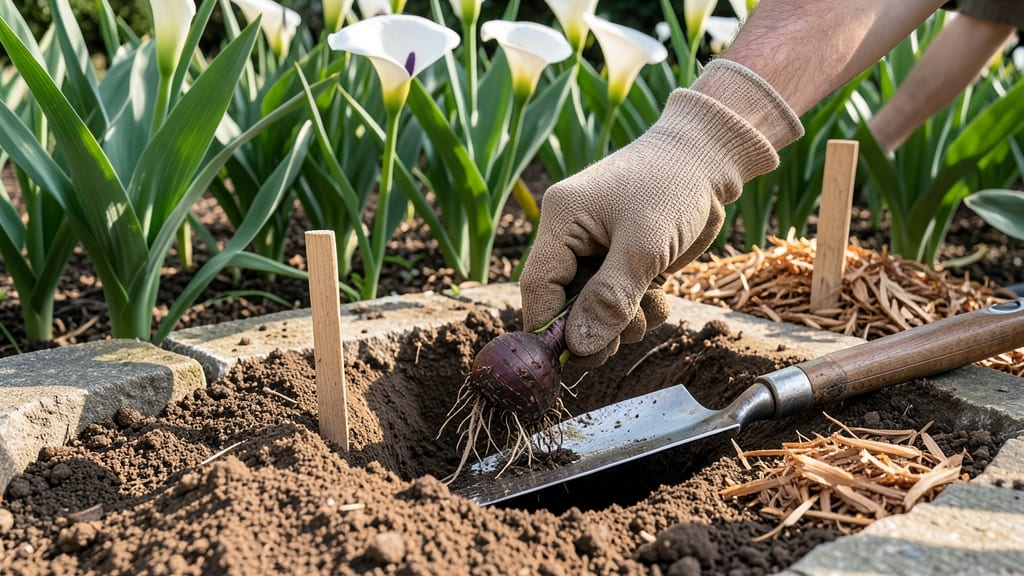
Planting calla lily bulbs at the wrong time in Zone 6 can mean the difference between stunning 🌸 blooms and wasted effort. The key is timing—too early, and frost will damage tender roots; too late, and your summer flowers may never appear.
I’ve learned that spring planting (after your last frost date) gives calla lilies the best head start, but fall can work too if you follow a few critical rules.
Most gardeners in Zone 6a wait until mid-April to plant, once soil temperatures consistently stay above 60°F. This timing aligns with when your last frost typically passes, giving bulbs time to establish roots before summer heat arrives.
But what if you’re eager to get started earlier? The secret lies in monitoring soil warmth and microclimates—some spots in your yard may warm up faster than others.
Don’t overlook fall planting either—it’s a smart strategy if you live in milder parts of Zone 6. Planting in late September or early October lets bulbs settle in before winter, but only if your ground doesn’t freeze solid.
The trick is to choose a spot with good drainage and protect bulbs with a thick layer of mulch if early frosts sneak in.
Whether you’re a first-time grower or a seasoned gardener, getting this timing right will save you from disappointment.
I’ll walk you through exactly how to read your local frost dates, test soil temperatures, and adjust for your specific Zone 6 conditions—so your calla lilies thrive from the first bloom to the last.
Optimal planting times for calla lilies in Zone 6: spring vs fall breakdown
Deciding between spring and fall planting for calla lilies in Zone 6 can feel like a guessing game. The truth? Both seasons work, but the ideal window depends on your local frost patterns and soil conditions.
In my experience, spring planting (after last frost) gives bulbs a head start, while fall planting requires careful timing to avoid winter damage.
For most of Zone 6, mid-April to early May is the sweet spot for spring planting. This aligns with when soil temperatures consistently stay above 60°F, which is critical for root establishment.
Fall planting, on the other hand, should happen 6-8 weeks before your first frost—typically late September to early October—to allow roots to develop before winter sets in.
Let’s break down the key differences between these two approaches, including bloom timing, frost risk, and soil preparation needs. The right choice depends on your specific microclimate and how much patience you have for waiting on summer flowers.
Spring Planting vs. Fall Planting for Calla Lilies in Zone 6
| Factor | Spring Planting | Fall Planting |
|---|---|---|
| Best Time | Mid-April to early May (after last frost) | Late September to early October (6-8 weeks before frost) |
| Soil Temperature | 60°F+ (critical for root growth) | 50-60°F (roots establish before dormancy) |
| Frost Risk | Low (bulbs planted after frost danger) | Moderate (protect with mulch if early frost) |
| Bloom Timing | Summer (July-August) | Late summer (August-September) |
| Soil Prep | Amend with compost; ensure drainage | Add compost; improve drainage for winter |
| Best For | Gardeners who want early blooms | Those in milder Zone 6 microclimates |
🌱 Pro Tip: Test soil temperature with a thermometer—spring planting requires consistent warmth.
Spring planting is my go-to method because it guarantees earlier blooms and avoids the gamble of fall frosts. However, if you’re in a warmer microclimate within Zone 6 (like near large bodies of water), fall planting can be just as successful.
The key is to monitor local frost dates—check resources like the USDA Plant Hardiness Zone Map or your local cooperative extension service for precise timing.
Another factor to consider is your calla lily variety. Some types, like Zantedeschia aethiopica (the classic white calla), are more cold-tolerant and may handle fall planting better than tropical varieties. If you’re unsure, err on the side of spring planting—it’s the safer bet for beginners.
For both seasons, well-draining soil is non-negotiable. Calla lilies hate soggy roots, so amend your soil with organic matter like compost or peat moss. If your garden soil is heavy clay, consider planting in raised beds or containers for better control over drainage.
One mistake I’ve seen gardeners make is planting too early in spring, only to have bulbs rot in cold, wet soil. Wait until the ground is workable and warm—you should be able to push a trowel into the soil with minimal resistance.
In fall, plant early enough that roots have time to establish, but not so late that bulbs are exposed to hard freezes.
Finally, don’t forget about mulching. In fall, a 3-inch layer of straw or leaves will insulate bulbs and protect them from temperature swings. In spring, mulch helps retain moisture as bulbs wake up from dormancy. It’s a small step that makes a big difference in bloom success.
Whether you choose spring or fall, the goal is the same: give your calla lilies the best possible start. With the right timing, you’ll be rewarded with stunning, drama-filled blooms that last from summer into early fall.
And the best part? You’ll avoid the heartbreak of bulbs that never sprout—or worse, rot before they even have a chance.
5 Critical factors that determine your best planting window in Zone 6
Choosing the right time to plant calla lily bulbs in Zone 6 isn't just about checking a calendar—it's about understanding five key factors that make or break your success.
I’ve learned these lessons the hard way, from bulbs that sprouted too early and froze to those that rotted in cold, wet soil. The first factor is soil temperature, which must stay above 60°F for spring planting or between 50-60°F for fall.
Use a soil thermometer to test—this simple tool saved my first batch of calla lilies from failure.
Next, your local frost dates dictate everything. Zone 6 has a wide range—some areas get their last frost in early April, while others wait until mid-May. Check your USDA Plant Hardiness Map and add 2-3 weeks to your last frost date for safety.
For example, if your frost date is April 15, wait until May 1 to plant in spring. Fall planting requires similar precision: aim for 6-8 weeks before your first frost to give roots time to establish.
Don’t overlook bulb dormancy cycles. Calla lilies need a period of rest, and planting them too early in spring can trick them into waking up prematurely. If you plant in March when soil is still cool, bulbs may sprout weak shoots that die back when temperatures drop.
The solution? Wait until soil is consistently warm—usually mid-April or later—to break dormancy naturally.
5 Critical Factors for Planting Calla Lilies in Zone 6
- 🌡️ Soil Temperature: Must be 60°F+ for spring, 50-60°F for fall
- ❄️ Frost Dates: Plant after last frost (spring) or 6-8 weeks before first frost (fall)
- 🌱 Bulb Dormancy: Wait until soil is warm enough to avoid premature sprouting
- 🌿 Microclimates: South-facing slopes warm faster; low spots stay colder longer
- 💧 Drainage: Heavy clay or soggy soil will rot bulbs—amend with compost or use containers
🌱 Remember: A soil thermometer is your best friend—never guess!
Your garden’s microclimates can shift planting windows by weeks. A south-facing slope might warm up enough for spring planting by early April, while a low-lying area could still be too cold.
Observe where sunlight hits your yard—full sun spots warm faster, while shaded areas stay cooler. If you’re unsure, test multiple locations with a soil thermometer for a few days before planting.
Finally, drainage is non-negotiable. Calla lilies despise soggy roots, and Zone 6’s spring rains can turn heavy clay soil into a swamp. Amend your planting area with compost or peat moss to improve drainage, or opt for raised beds if your soil is naturally dense.
In containers, ensure pots have drainage holes and use a well-draining potting mix. One year, I ignored this and lost half my bulbs to rot—don’t make the same mistake!
When you combine these five factors—soil temperature, frost dates, dormancy cycles, microclimates, and drainage—you’ll pinpoint the perfect planting window for your Zone 6 garden. The payoff? Healthy bulbs, vigorous growth, and show-stopping blooms that last all summer.
And the best part? You’ll avoid the heartache of bulbs that never sprout—or worse, rot before they even have a chance.