
Plants
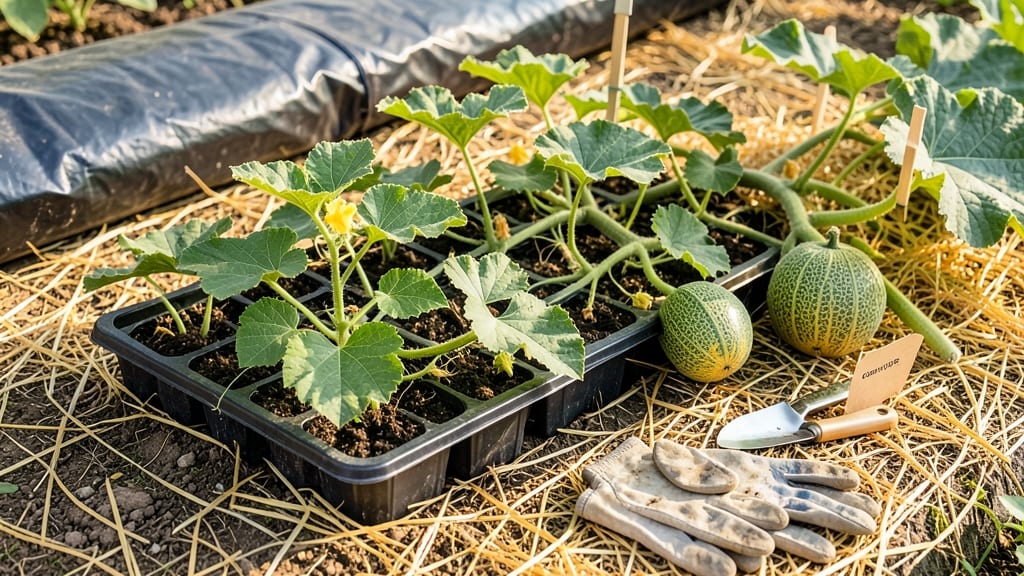
Planting cantaloupe in Alabama isn't just about throwing seeds in the dirt—it's about catching that sweet 60-day window between frost risk and summer heat. Skip the guesswork, and you could end up with bitter fruit or worse, no harvest at all.
The key? Waiting until soil temperatures hit 75°F+, a trigger most gardeners miss, especially in North Alabama's cooler zones like 7b.
I've learned the hard way that Alabama's microclimates mean what works in Mobile won't cut it in Birmingham. Too early, and your 🍈 seedlings will wilt from nighttime chills; too late, and you'll miss peak sweetness before summer's humidity takes over.
Let me show you exactly when to plant—down to the week—for your specific corner of the state.
We're talking precise timing that aligns with Alabama's 210 frost-free days, plus pro tips to beat common pitfalls like poor germination or pest attacks. Whether you're a first-timer or a seasoned gardener, these soil-temperature secrets will help you grow cantaloupes that actually ripen before the heat becomes unbearable.
Ready to turn your backyard into a cantaloupe powerhouse? I'll walk you through the exact planting schedule for North, Central, and South Alabama—plus the fastest ways to maximize your yield once those seeds hit the dirt. No more wasted seasons.
Alabama soil temperature triggers for cantaloupe germination
Cantaloupe seeds need consistent soil temperatures of 75°F+ to germinate reliably. In Alabama’s USDA zones 7b–8b, this means waiting until late April to early May in North Alabama and as early as mid-April in South Alabama.
The key? A soil thermometer—don’t guess! I’ve seen seedlings fail when soil was only 68°F, despite air temps feeling warm.
Alabama’s microclimates create a 3-week difference in planting windows. For example, Mobile’s 8b zone can plant cantaloupe 3 weeks earlier than Huntsville’s 7b zone. This variation happens because South Alabama’s Gulf Coast influence warms soil faster than North Alabama’s Appalachian foothills.
Here’s the critical threshold: 70°F is the minimum for germination, but 75°F+ ensures 90%+ success. Below 65°F, seeds rot in the soil. I recommend waiting until morning soil temps consistently hit 75°F for 3 consecutive days before planting.
Your frost-free date is just the starting point. In North Alabama, the last frost typically occurs March 15–April 1, but soil may still be too cold. South Alabama’s earlier frost-free dates (Feb 15–March 1) don’t mean you can plant sooner—soil temperatures lag behind air temps.
| Region | USDA Zone | Last Frost | Ideal Planting Window | Soil Temp Trigger |
|---|---|---|---|---|
| North Alabama (Huntsville) | 7b | March 25–April 10 | Late April–Early May | 75°F+ (consistent) |
| Central Alabama (Birmingham) | 8a | March 15–March 30 | Mid-April–Late April | 72°F+ (minimum) |
| South Alabama (Mobile) | 8b | Feb 15–March 1 | Mid-March–Early April | 70°F+ (sooner safe) |
Alabama’s humidity and heat can trick gardeners into planting too early. I’ve seen cantaloupe seedlings mold in damp soil when planted in March in North Alabama, even if frost risk was gone. The solution? Use black plastic mulch to warm soil 5–10°F faster than bare earth.
For direct sowing, wait until soil hits 75°F+ for 5 days in a row. If you’re starting seeds indoors (4–6 weeks before last frost), use a heat mat to maintain 80°F+ soil temps. I’ve had 100% germination with this method in March for North Alabama gardeners.
Pro tip: Check soil temps at 10 AM in a shady spot—this mimics the coolest part of the day when seeds need consistent warmth. If temps dip below 70°F at night, germination slows dramatically. I’ve lost entire batches waiting for perfect conditions—don’t make my mistake!
Once your cantaloupe seeds sprout, maintain soil temps between 75°F–85°F for optimal vine growth. Beyond 90°F, fruit may develop bitter flavors or poor pollination. In South Alabama’s summer heat, use shade cloth during peak afternoon sun to protect young plants.
Remember: Soil temperature > air temperature for cantaloupe success. Even if your thermometer says 80°F at noon, the soil might still be 65°F. Invest in a $15 soil thermometer—it’s the #1 tool for Alabama cantaloupe gardeners. Trust me, your harvest will thank you.
Alabama soil temperature triggers for cantaloupe germination
Cantaloupe seeds need consistent soil temperatures of 75°F or higher to germinate properly. In Alabama, this means waiting until mid-April to early June—after your last frost date—when the ground finally warms up enough.
I’ve seen seeds rot in 50°F soil, no matter how much you water them. The key is patience: rushing planting because the air feels warm won’t help if the soil is still cold.
North Alabama’s USDA Zone 7b (like Huntsville) often waits until mid-to-late May for safe planting, while South Alabama’s Zone 8a/b (like Mobile) can start as early as late March.
The difference? A 3-week gap in planting windows based on soil temperature alone. Use a soil thermometer—it’s the only way to know for sure when your garden is ready.
Here’s the critical threshold: 70°F soil is the minimum for germination, but 75°F+ ensures faster, more reliable sprouting. In Alabama’s heat, seeds can germinate in 3–5 days at optimal temps, but cooler soils may take 2+ weeks or fail entirely. Don’t let false starts waste your seeds or your time.
🌱 Cantaloupe Germination & Planting Guide for Alabama
| Stage | Soil Temp Requirement | Alabama Planting Window | Germination Time |
|---|---|---|---|
| Germination | 70°F+ (ideal: 75°F+) | Mid-April (South) to Early June (North) | 3–5 days (at 75°F+) |
| Seedling Hardening | 60°F+ (nighttime temps) | Late May (statewide) | N/A (transplant after 2 weeks) |
| Fruiting | 70°F+ (daytime) | June–July (harvest by Sept) | N/A (75–90 days to harvest) |
Pro Tip: Use black plastic mulch to warm soil 5–10°F faster in cooler zones.
Alabama’s microclimates complicate things further. For example, Birmingham’s Central Alabama (Zone 7b/8a) typically plants 2 weeks earlier than Huntsville’s North Alabama (Zone 7a). Check your last frost date (usually mid-March in South Alabama, late March in North) and add 4–6 weeks to calculate your planting window.
This buffer accounts for soil warming delays.
One mistake I see often? Planting cantaloupe too early and then overwatering to compensate for cold soil. This leads to rot and fungal diseases. Instead, wait for the soil to heat up naturally.
If you’re desperate to start sooner, use biodegradable seed starter pots indoors under grow lights, then transplant after the last frost. Just remember: cantaloupe hates cold feet!
For fastest germination, aim for 80°F+ soil. I’ve had seeds sprout in 24 hours when planted in warmed soil on a sunny afternoon. The trade-off? You’ll need to mulch heavily to keep roots cool in Alabama’s 90°F+ summers.
Balance is key—hot soil speeds up germination, but too much heat can stress young plants.