
Plants
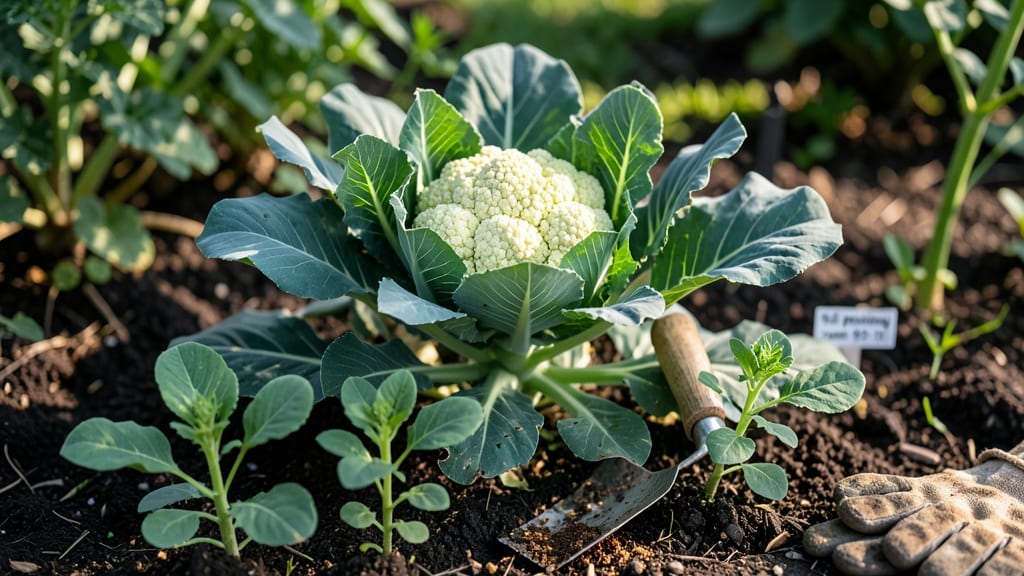
Planting cauliflower in Florida isn’t just about grabbing seeds and sticking them in the dirt—it’s about mastering the heat zone deadlines that separate a thriving harvest from a sad, bolted disappointment.
With 300+ frost-free days, Florida’s long growing season gives you two prime windows: fall and winter, but timing these 60-100 day plants wrong means wrestling with bolting or stunted growth before you even taste your first curd.
Most gardeners in USDA zones 9a-10a swear by September-October starts for fall harvests, but here’s the catch: if you plant too late, your 🥬 heads will race to seed before December’s cooler snaps.
Meanwhile, winter plantings in January-February risk stretching too long into Florida’s unpredictable spring heat. I’ve learned the hard way—skipping these deadlines means watching your investment turn into bitter, inedible stalks.
What if I told you the secret isn’t just about dates, but about soil prep and shade strategies that keep your cauliflower cool when Florida’s sun turns fierce?
From choosing heat-tolerant varieties like ‘Cheddar’ to mulching with straw, these small tweaks can turn a risky gamble into a reliable harvest. Let’s break down the exact steps to plant cauliflower in Florida—so you can enjoy those creamy heads from December through May without the stress.
Ready to stop guessing and start growing? I’ll walk you through the ideal planting windows, soil tricks, and even how to spot when your cauliflower is begging for harvest (or rescue). No more wasted seeds—just fluffy, homegrown curds on your table.
Florida heat zone planting deadlines for cauliflower success
Cauliflower thrives in Florida’s heat zones 8-11, but timing is critical to avoid bolting (premature flowering) or stunted growth. Unlike northern climates, Florida’s frost-free winters create unique planting windows—focus on fall and winter for optimal yields.
The key is planting when daytime temps stay below 75°F and nights dip into the 50s-60s°F range.
North Florida (zones 8a-8b) has slightly cooler winters, allowing earlier fall plantings, while South Florida (zones 10a-11) can extend seasons into early spring. Miss these deadlines, and you’ll battle heat stress or pest pressure. Let’s break down the exact planting windows by zone to maximize your harvest.
| Heat Zone | Fall Planting Window | Winter Planting Window | Harvest Time | Key Risk |
|---|---|---|---|---|
| 8a-8b (North FL) | Late August - September 15 | Early January - February 15 | December - March | Early frost (rare but possible) |
| 9a-9b (Central FL) | September 1 - October 15 | January 1 - February 28 | November - April | Heat spikes after Oct 15 |
| 10a-11 (South FL) | September 15 - November 1 | January 15 - March 15 | December - May | Humidity + pests (aphids, cabbage worms) |
🌱 Pro Tip: Use shade cloth (30-50%) to extend summer plantings by 2-3 weeks.
For North Florida (zones 8a-8b), aim to plant by September 15 for fall crops or January 1 for winter harvests. The cooler temps help prevent bolting, but watch for occasional light frosts after December 15. Use row covers if temps dip below 32°F.
Central Florida (zones 9a-9b) offers the most flexibility—plant September 1-October 15 for fall or January-February for spring. The October 15 deadline is critical: after this, daytime heat often triggers bolting. Extend your season by 10-14 days with drip irrigation and mulch.
South Florida (zones 10a-11) can push boundaries further: plant September 15-November 1 for fall or January-March for spring. Here, pests (like cabbage loopers) and humidity become bigger threats than heat. Choose heat-tolerant varieties like ‘Cheddar’ or ‘Snowball Y Improved’ for better success.
Missed the fall window? Don’t despair—winter plantings (January-February) still yield well in Florida. Just ensure soil temps stay above 50°F for germination. Use seedling trays indoors under grow lights if outdoor conditions are too hot.
One non-negotiable rule: Never plant cauliflower in Florida’s summer (April-September). The 90°F+ temps cause heads to split or bolt within weeks. Instead, focus on cool-season crops like broccoli or kale during peak heat.
For container growing, adjust deadlines by 2-3 weeks earlier—pots heat up faster. Use 5-gallon containers with well-draining mix and water daily during summer. Place pots in partial shade (e.g., under a 30% shade cloth) to mimic ideal conditions.
Track your local microclimate—coastal areas stay warmer longer than inland zones. For example, Tampa (zone 9b) can plant 1 week later than Gainesville (zone 8b). Use a soil thermometer to confirm temps are 50-70°F before planting.
How to extend cauliflower season in Florida’s heat
Florida’s summer heat can be brutal for cauliflower, but with the right strategies, you can push harvests into warmer months. The key is heat tolerance—selecting varieties that thrive in 85°F+ temperatures while protecting plants from stress.
Start by choosing heat-resistant varieties like ‘Cheddar’ or ‘Snowball Y Improved’, which handle Florida’s humidity better than traditional types.
To extend your growing window, plant successionally in August and early September for late fall harvests. This gives plants time to mature before winter temperatures drop—even if slightly. For summer attempts, focus on shade protection and soil moisture retention to prevent bolting.
Here’s how to maximize yields in Florida’s heat:
Install shade cloth over plants during peak sun (11 AM–3 PM) to reduce heat stress. This mimics partial shade conditions while allowing light penetration.
Apply a 3-inch mulch layer to retain soil moisture and cool roots. Florida’s sandy soil drains too quickly, so mulch acts as a heat barrier and water reservoir.
Avoid evening watering to prevent fungal diseases. Aim for 1-2 inches per week, focusing on the root zone (not leaves). Drip irrigation works best in Florida’s heat.
Grow dwarf cauliflower like ‘Purple of Sicily’ in 5-gallon pots with fast-draining mix. Containers warm up slower than soil, giving plants a cooling advantage in summer.
Florida’s acidic soils can stunt growth. Test pH and amend with lime if below 6.0. Healthy soil = better heat resilience and nutrient uptake.
Even with these tactics, avoid planting after early September unless you’re using extreme shade (like 70% cloth). Summer heat will still cause bolting—cauliflower’s way of flowering prematurely. Instead, focus on fall and winter plantings for reliable harvests.
Pro tip: Harvest young heads (6–8 inches) in summer if temperatures exceed 90°F. Smaller curds tolerate heat better than full-sized heads. This “cut-and-come-again” method can give you multiple harvests in one season.