
Companion Plants
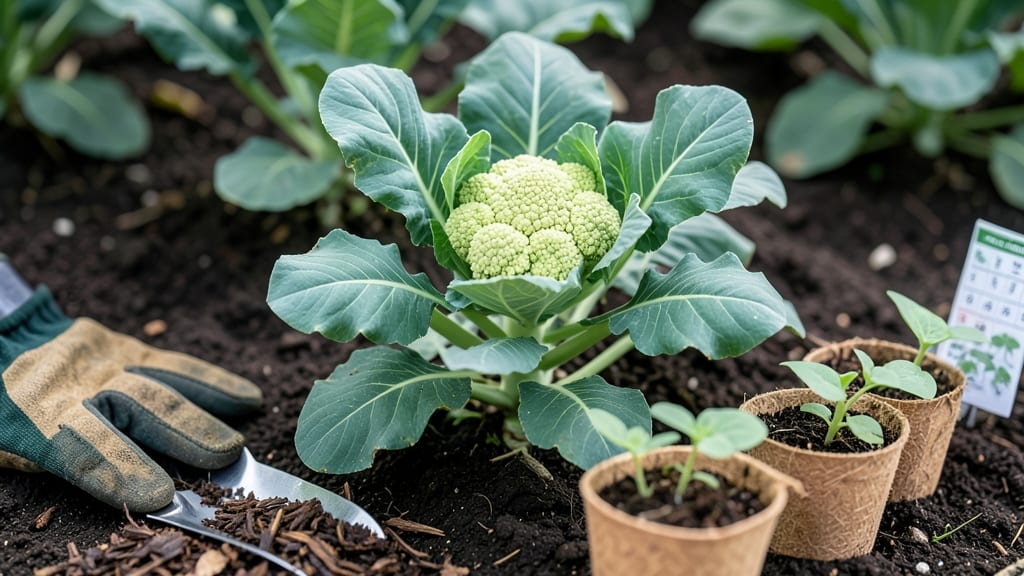
Planting cauliflower 🥬 in Pennsylvania means nailing the timing—or risk losing your harvest to frost or heat stress. With our state’s 5b-7a zones and unpredictable spring weather, even experienced gardeners sometimes guess wrong.
But here’s the good news: by following the right deadlines, you can grow two crops a year—one in spring and another in fall—without the stress.
Most Pennsylvania gardeners focus on spring planting, but fall offers a second chance for success. The key is understanding your last frost date—typically around April 15—and adjusting for your specific zone.
Whether you’re in cooler Zone 5b or warmer Zone 7a, knowing when to start seeds indoors (or transplant seedlings) makes all the difference.
In this guide, I’ll break down the exact planting windows for both spring and fall, including soil temperature tips and variety recommendations. You’ll learn how to stretch your growing season, avoid common mistakes, and even protect your plants from late frosts. Let’s get those cauliflowers thriving!
Ready to stop second-guessing and start planting with confidence? The right timing could mean the difference between a bountiful harvest and a wasted season. Let’s dive into the details tailored just for Pennsylvania gardeners.
Pennsylvania cauliflower planting deadlines by hardiness Zone (spring vs fall)
Understanding Pennsylvania’s hardiness zones 4-7 is key to timing your cauliflower 🥬 perfectly. Spring planting starts 4-6 weeks before your last frost date, while fall offers a second chance with heat-tolerant varieties.
The difference between zones can be as much as 3 weeks in planting windows—so knowing your exact zone matters more than you might think.
For Zone 4 gardeners, your last frost typically arrives around May 10, while Zone 7 sees it as early as April 1. This variation means your spring transplant window shifts from late March in southern PA to early May in the north.
Fall planting works in reverse, with Zone 4 allowing July sowings and Zone 7 pushing into August.
Here’s the visual breakdown of your planting deadlines by zone—including both spring and fall windows—so you can plan with confidence:
| Zone | Spring Planting Window | Fall Planting Window | Last Frost Date | Heat-Tolerant Variety |
|---|---|---|---|---|
| Zone 4 | March 15–April 1 (indoors) / May 1–15 (transplant) | July 1–15 (direct sow) | May 10 | 'Snowball Y Improved' |
| Zone 5 | March 1–April 10 (indoors) / April 15–May 1 (transplant) | July 15–August 1 | April 25 | 'Purple of Sicily' |
| Zone 6 | February 28–March 31 (indoors) / April 1–15 (transplant) | July 20–August 10 | April 15 | 'Romanesco' |
| Zone 7 | February 15–March 15 (indoors) / March 15–April 1 (transplant) | August 1–15 | April 1 | 'Cheddar' |
The spring transplant window is your best bet for a reliable harvest, but fall planting can extend your season by 2-3 months. For fall success, start seeds indoors 10-12 weeks before your first frost date—typically by July 1 in most of PA.
Use heat-tolerant varieties like 'Cheddar' or 'Romanesco' to avoid bolting from summer heat.
Soil temperature matters just as much as air temperature. Cauliflower thrives in 45-85°F soil, but seeds won’t germinate below 40°F. In cooler zones like 4 and 5, use black plastic mulch to warm the soil faster.
For fall plantings, aim for soil temps between 60-70°F—any hotter and you’ll trigger bolting.
Pro tip: If you’re in Zone 6 or 7, try a summer planting of heat-resistant varieties like 'Orange Transparent' in early July. These varieties mature faster (in 60-70 days) and can produce heads before fall frosts arrive.
Just be ready to harvest by late September to avoid flavor loss from cold snaps.
Remember, Pennsylvania’s microclimates can shift planting dates by weeks. If you’re in a valley or low-lying area, expect later frosts than higher elevations. Always check your local USDA Plant Hardiness Zone Map and adjust by 1-2 weeks if your garden experiences colder nights than the average.
For gardeners in Zone 4, focus on early varieties like 'Snowball Y' that mature in 70-80 days. In warmer zones, you can experiment with succession plantinghates drought stress during head formation.
Don’t let PA’s unpredictable weather stop you from growing cauliflower! With these zone-specific deadlines, you can double your harvest potential—one crop in spring and another in fall—while avoiding the most common mistakes. Happy planting! 🌱
How to extend your cauliflower growing season in PA (frost protection & succession planting)
Pennsylvania’s short growing season doesn’t have to limit your cauliflower harvest. With the right techniques, you can extend your season by 4-6 weeks in both spring and fall. The secret lies in frost protection and succession planting—two strategies that let you grow cauliflower even when conditions seem impossible.
Whether you’re in Zone 4 with late frosts or Zone 7 facing early heat, these methods will help you push your harvest windows.
For spring plantings, row covers and cold frames are your best friends. These tools can protect tender seedlings from late frosts (which often hit PA until May 15 in cooler zones).
In fall, they’ll shield your plants from early frosts that arrive as soon as October 1 in many areas. But which method works best? Let’s compare your options:
| Method | Effectiveness | Cost | Ease of Use | Best For |
|---|---|---|---|---|
| Row Covers | Protects down to 20°F | $15-$30 per cover | Easy (lightweight fabric) | Spring/fall seedlings |
| Cold Frames | Extends season by 6 weeks | $50-$150 | Moderate (requires setup) | Early spring/late fall |
| Black Plastic Mulch | Warms soil by 5-10°F | $10-$20 per roll | Very easy | Slow-starting zones |
| Succession Planting | Doubles harvest potential | $0 (just seeds) | Easy (staggered sowing) | All zones (spring/fall) |
Row covers are the most versatile option for PA gardeners. They’re lightweight, breathable, and can be removed during the day to let pollinators visit your plants.
For Zone 4 gardeners, using row covers until May 1 can protect your seedlings from late frosts that often hit after your last official frost date. In fall, keep them on until October 15 to shield your plants from early frosts.
If you’re willing to invest a little more, cold frames can extend your season by 6 weeks in both directions. They work by trapping heat from the sun and insulating against cold nights.
For spring plantings, set up your cold frame in March and start seeds indoors 4-6 weeks before your last frost date. In fall, you can start seeds as late as July 20 in Zone 6 and still harvest before frost.
For gardeners in Zone 5-7, succession planting is the easiest way to maximize your harvest. Instead of planting all your seeds at once, sow a new batch every 2 weeks from April through June.
This ensures you always have plants at the right stage for harvest. Pair this with heat-tolerant varieties like 'Orange Transparent' or 'Cheddar' to avoid bolting during PA’s hot summers.
Don’t forget about soil temperature—it’s just as critical as air temperature. Use a soil thermometer to monitor conditions. Cauliflower seeds need soil temps of at least 40°F to germinate, while seedlings thrive in 60-70°F soil.
In cooler zones, black plastic mulch can warm the soil by 5-10°F, giving your plants a head start. For fall plantings, aim to have soil temps below 75°F to prevent bolting.
With these techniques, you can grow cauliflower year-round in Pennsylvania—even in the shortest seasons. Start with row covers for protection, use succession planting to stretch your harvest, and always monitor soil temperature. Before you know it, you’ll be enjoying fresh cauliflower from May through October! 🌱