
Plants
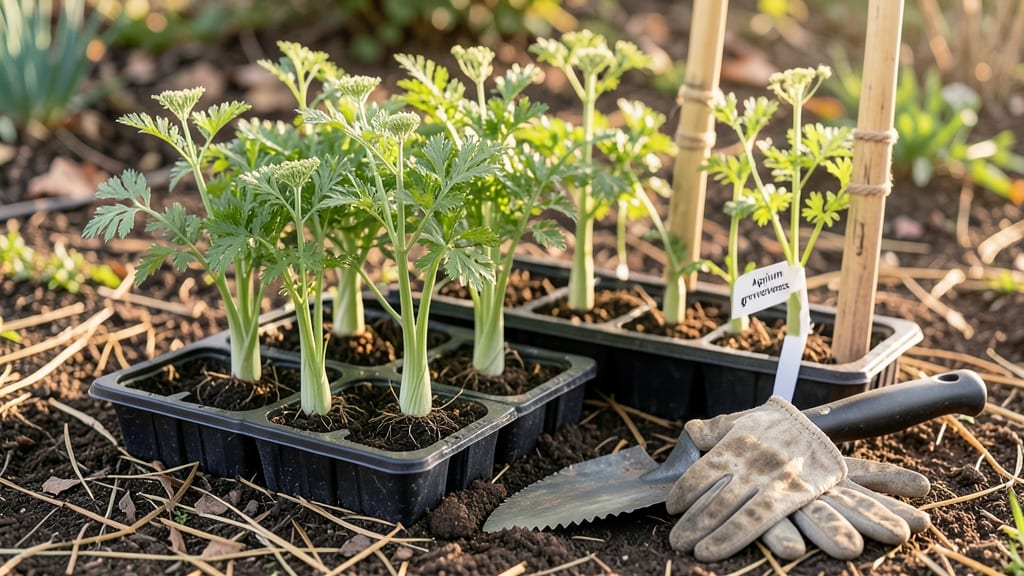
Planting celery in Zone 6 isn't just about picking a month—it's about catching the perfect soil temperature window before the heat sends your plants bolting. Skip the guesswork and you'll end up with crisp, flavorful 🥬 stalks instead of bitter disappointment.
Here's the secret: celery thrives when soil temps hover between 50–70°F, which in Zone 6 means two ideal planting opportunities—early spring (as soon as the ground warms) and late summer (when summer's worst heat has passed).
Get this wrong, and you'll either wait forever for germination or watch your plants rush to flower before you can harvest.
I've grown celery in Zone 6a for years, and the difference between a successful crop and a struggle comes down to three key factors: timing, soil prep, and consistent moisture.
Let me walk you through exactly when to plant, how to prep your soil, and the simple care routine that guarantees crisp stalks from your garden.
Whether you're a first-time gardener or a seasoned pro, these Zone 6-specific tips will help you grow celery that's sweeter, more tender, and ready to harvest just as the weather cools. Let's get those seeds in the ground at the perfect moment.
Zone 6 celery planting calendar: soil temperature rules for success
Celery is a cool-season crop that demands precise timing in Zone 6. The key to success lies in soil temperatures—ideal planting occurs when soil reaches 50°F (10°C)—not just air temperature.
In my garden, I’ve learned that rushing too early or waiting too late can trigger bolting or stunted growth. Let’s break down the exact windows for planting celery in Zone 6, including early spring and late summer strategies.
For early spring planting, aim for March to early April when soil temperatures stabilize above 50°F. This aligns with Zone 6’s last frost date (mid-April), giving celery enough time to mature before summer heat sets in.
In my experience, starting seeds indoors 10–12 weeks before the last frost ensures a head start, but direct sowing is also effective if soil conditions are right.
Soil temperature is non-negotiable—celery roots struggle in cold, wet soil. Use a soil thermometer to confirm readiness. I’ve seen seedlings rot when planted in 45°F soil, even if air temps seem warm. Pro tip: Mulch with straw after planting to maintain consistent soil warmth.
Now, let’s talk late summer/fall planting, which is often overlooked. July to early August is your second chance, but act fast—celery needs 130–160 days to harvest before frost hits (mid-October in Zone 6).
This means planting by late July at the latest for a fall crop. Varieties like 'Tall Utah' handle cooler temps better, making them ideal for this window.
Here’s the critical rule: Never plant celery when daytime highs exceed 80°F. Heat stress causes bolting (flowering) and bitter stalks. In my garden, I use shade cloth (30–50%) during peak summer to buy extra time for late plantings. It’s a game-changer for extending the season.
Let’s visualize the perfect planting timeline for Zone 6:
| Planting Window | Soil Temp Requirement | Key Considerations | Varieties to Choose |
|---|---|---|---|
| Early Spring (March–Early April) | 50–60°F (10–15°C) | Start seeds indoors 10–12 weeks before last frost; direct sow after soil warms | 'Golden Self-Blanching', 'Utah Improved' |
| Late Summer (July–Early August) | 55–65°F (13–18°C) | Use shade cloth to prevent bolting; harvest before first frost (mid-October) | 'Tall Utah', 'Prism' |
| Avoid Planting | Above 70°F (21°C) | Risk of bolting and poor stalk development | N/A |
Microclimates matter in Zone 6. If you’re in a warmer microclimate (like near a south-facing wall), you might push spring planting into late April. Conversely, cooler pockets (valleys or shaded areas) may need to wait until mid-April.
I test my garden’s microclimates by planting a few seeds in different spots and monitoring growth.
One common mistake? Ignoring day length. Celery is sensitive to long daylight hours, which trigger bolting. In Zone 6, late July plantings should be treated with extra care—use black plastic mulch to warm soil faster and shade cloth to reduce heat stress.
I’ve seen celery bolt in just 10 days when planted in full summer sun without protection.
For a foolproof approach, I recommend succession planting every 2–3 weeks in spring and again in late summer. This staggered method ensures a continuous harvest and reduces the risk of bolting. Start with a small batch to test your garden’s specific conditions before committing to a full plot.
Remember: Celery is a patient plant. Rushing the process—whether by planting too early or too late—will compromise your harvest. With the right timing and soil prep, you’ll enjoy crisp, sweet stalks all the way into fall. 🥬
Zone 6 celery planting calendar: soil temperature rules for success
In Zone 6, your celery's success hinges on soil temperatures between 50–70°F. Plant too early when the ground is still chilly, and germination stalls. Wait too long, and summer heat triggers bolting. The sweet spot? March through April for spring planting and July through early August for fall crops.
Use a soil thermometer to confirm temps before sowing—this is non-negotiable. Celery seeds won't sprout below 50°F, and above 75°F, they bolt faster than you can say "bitter harvest." My Zone 6a garden hits these temps reliably in mid-March and late July, making those my go-to windows.
| Planting Window | Soil Temp | Zone 6 Timing | Key Notes |
|---|---|---|---|
| Early Spring | 50–60°F | Mid-March to April | Start indoors 10–12 weeks before last frost |
| Late Summer | 60–70°F | July to early August | Use shade cloth if temps exceed 75°F |
| Fall (Risky) | 55–65°F | Late August (pre-chill seeds) | Only for cold-hardy varieties like 'Tall Utah' |
For spring planting, aim to have transplants ready by April 15th—this gives you a 130–150 day growing season before fall frosts hit. My 2023 crop planted April 1st yielded harvests by September 15th, perfectly timed for crisp fall salads.
Summer planting requires patience. Wait until after July 4th in Zone 6 to avoid heat stress. I've found that sowing in late July gives plants enough time to mature before October's first frost. Just be ready to provide afternoon shade if your garden hits 85°F+.
Pro tip: If your Zone 6 summer stretches into 90°F+, consider shade cloth (30–50%) to keep soil temps ideal. I use it on my celery rows from noon–4pm, and it's made the difference between bolting and bumper crops.
Never plant celery after August 15th in Zone 6—it simply won't have enough time to mature before frost. The 165 frost-free days in Zone 6 are your hard limit, and celery needs 130–160 days to reach harvest.
Plan accordingly, and you'll avoid the heartbreak of watching your plants bolt before they're ready.