
Plants
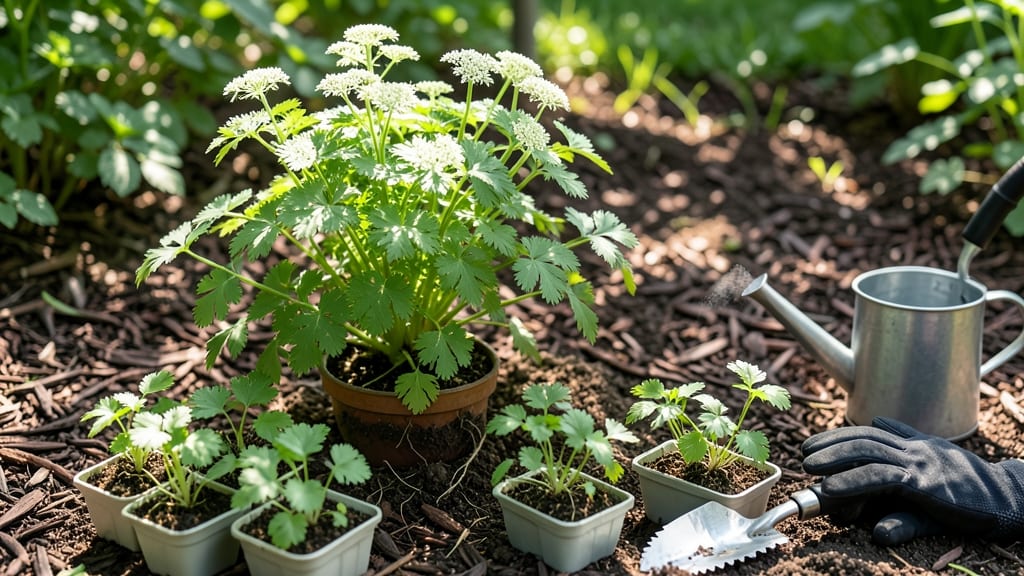
Timing your cilantro planting in Arizona isn't just a suggestion—it's the secret weapon behind flavorful harvests that don't bolt into oblivion.
The 9b zone gives you two prime windows: fall's crisp air and spring's gentle warmth, but get it wrong, and you're left with bitter, seed-studded disappointment instead of fresh 🌿 cilantro for your salsas and soups.
Most gardeners assume cilantro thrives in Arizona's summer heat, but that's where they go wrong. The key is planting when temperatures dip below 80°F—think September through November or February to March.
This timing lets your cilantro focus on leafy growth instead of racing to flower in the desert's relentless sun.
I've learned the hard way that Arizona's microclimates demand special attention. What works in Phoenix's low desert might fail in Flagstaff's cooler high country. The solution? Strategic shade, consistent moisture, and knowing exactly when to plant for your specific corner of the state.
Ready to grow cilantro that actually stays green and tasty? Let me show you the exact schedule, shade tricks, and companion plants that turn Arizona's tricky climate into your cilantro-growing advantage. Your next perfect guacamole starts here.
Best cilantro planting months in Arizona’s climate zones
Arizona’s three distinct climate zones—Low Desert (Phoenix/Tucson), Mid-Elevation (Prescott), and High Desert (Flagstaff)—create wildly different growing conditions for cilantro. While most gardeners focus on fall planting, each zone has unique windows where cool temperatures and consistent moisture prevent bolting.
Let’s break down the best months for each area, including temperature thresholds that trigger germination and growth.
In the Low Desert (USDA Zone 9b-10a), where summer temps often exceed 105°F, cilantro becomes a high-risk crop unless planted strategically. The ideal window is September through November, when daytime highs drop below 85°F and nights stay above 50°F.
This cooler period allows seeds to germinate reliably and plants to mature before winter dormancy sets in.
For the Mid-Elevation (Zone 7b-8a), like Prescott, the window shifts slightly earlier—August to October—thanks to cooler nights and higher elevation that delay heat buildup.
Here, cilantro can even handle light frost in late fall, making October planting a safer bet for a winter harvest before spring heat arrives.
In the High Desert (Zone 6b-7a), such as Flagstaff, cilantro thrives in late summer through early spring. Plant in August-September for a fall harvest, then again in February-March for a spring crop before temperatures rise.
The cooler, drier climate here reduces bolting risks, but consistent watering remains critical.
Spring planting in Arizona is risky but possible if you start seeds indoors in February and transplant outdoors in late March. However, by April, daytime temps often exceed 90°F, triggering bolting within 2–3 weeks.
To extend the window, use shade cloth (30–50%) and drip irrigation to maintain even moisture.
For
Best cilantro planting months in Arizona’s climate zones
Arizona’s microclimates create wildly different growing conditions—what works in Phoenix’s low desert (Zone 10a) fails in Flagstaff’s high country (Zone 7a). The key to cilantro success? Planting when daytime highs stay below 80°F and nights dip into the 50s°F.
This gives your cilantro the stable conditions it craves to grow leafy, not leggy.
Most gardeners miss the fall window because they focus on summer veggies. But September through November offers perfect conditions: cooler temps, reliable monsoon moisture, and fewer pests. Spring planting (February-March) is your backup, but timing is critical—wait until soil warms to 60°F to avoid slow germination.
Here’s the breakdown by Arizona’s three key regions, with exact planting windows and temperature thresholds to avoid bolting:
| Region | Best Planting Window | Daytime Temp Threshold | Harvest Window |
|---|---|---|---|
| Phoenix/Tucson (Low Desert) | September 15 – October 31 | Below 85°F | October – December |
| Sedona/Prescott (Transition Zone) | September 1 – November 15 | Below 80°F | October – January |
| Flagstaff (High Desert) | August 15 – September 30 | Below 75°F | September – November |
| Spring Backup (All Regions) | February 15 – March 15 | Soil 60°F+ | March – April |
Notice how the high desert gets an earlier start? Cooler nights there delay bolting, while low desert gardeners must rush to beat the 100°F+ summers. Pro tip: Use a soil thermometer—cilantro seeds need 70°F soil to germinate reliably.
If your soil runs hotter, wait until evening to plant and water immediately afterward to cool the soil.
For Phoenix gardeners, the monsoon season (July-August) can trick you into thinking it’s safe to plant. Don’t fall for it! The sudden downpours followed by scorching heat create moisture stress, which triggers bolting. Stick to the fall window or use shade cloth if you’re desperate for summer cilantro.
One more critical detail: succession planting every 2-3 weeks in fall gives you continuous harvests. Start your first batch in early September, then add new seeds every 14 days. This way, when the first plants bolt (inevitably), you’ll have fresh leaves ready to replace them.
Remember: bolting isn’t just about heat—it’s also about day length. Arizona’s long days in spring trigger flowering faster than you’d expect. That’s why fall’s shorter days are your best bet for leafy cilantro. 🌿