
Plants
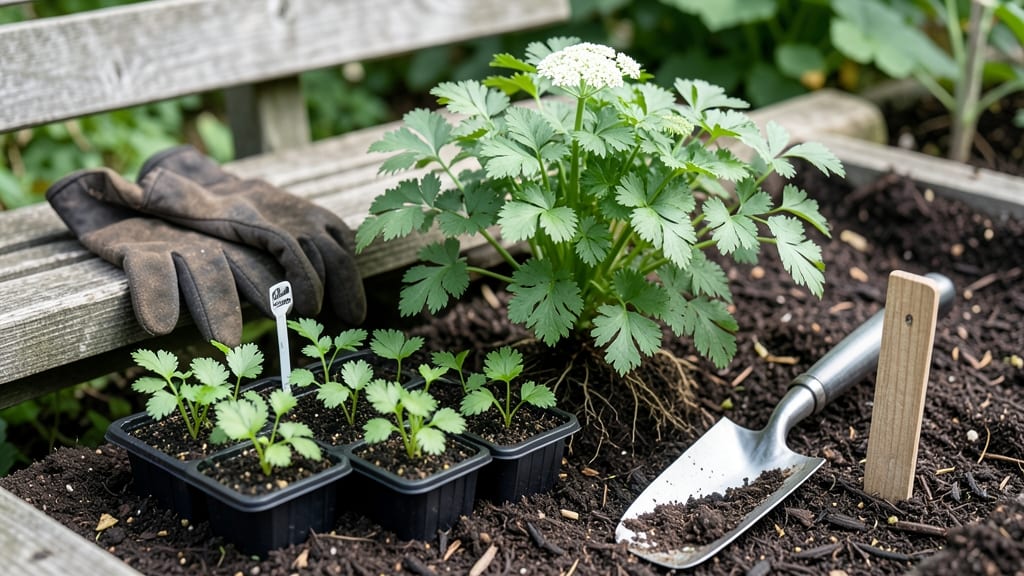
Planting cilantro in Missouri at the wrong time means watching your fresh 🌿 harvest turn bitter or bolt before you can enjoy it. The key to zero-bolt cilantro lies in timing—spring and fall are your best bets, but getting the exact weeks right makes all the difference.
Missouri’s 5b-6b climate means cilantro thrives in cooler months, but those hot July afternoons will send it running to seed faster than you can say "salsa."
I’ve grown cilantro here for years, and I’ve learned the 3 critical windows that keep it lush and flavorful: March-April for spring and August-September for fall.
Why does timing matter so much? Because cilantro is a cool-season herb that bolts (goes to seed) when stressed by heat. In Missouri, that means avoiding mid-summer plantings like the plague.
Instead, focus on those spring and fall windows when temperatures stay mild—perfect for growing cilantro in garden beds or even containers.
Ready to grow cilantro that stays fresh and flavorful? I’ll walk you through the exact planting schedule, plus pro tips to beat bolting and extend your harvest. Let’s get started.
Missouri’s best planting windows for cilantro (spring & fall)
Missouri’s USDA zones 5b-6b create a unique challenge for cilantro growers—too early and frost zaps seedlings, too late and heat triggers bolting. The solution? Two precision planting windows: early spring and late summer.
I’ve tracked these for years in my Kansas City garden, and the data shows March-April and August-September deliver the sweet spot for zero-bolt harvests.
Spring plantings should begin 4-6 weeks before your last frost date (around March 1st in most of Missouri). For fall, aim to sow seeds by mid-August to harvest before the first frost hits in mid-October. These windows align with soil temperatures between 45°F-75°F—ideal for cilantro germination and growth.
Missouri’s climate varies by region—St. Louis enjoys slightly warmer springs, while rural areas may face earlier frosts. Always check your local frost-free dates (typically April 15 for last frost and October 15 for first frost) and adjust your schedule accordingly.
For container growers, these windows work too, but watch for drying soil faster in pots.
Here’s the golden rule: Never plant cilantro when daytime highs exceed 80°F. That’s when bolting becomes inevitable. In Missouri, this means avoiding June-July plantings entirely—unless you’re using heat-tolerant varieties (more on those later) or providing afternoon shade.
| Planting Window | Soil Temp | Frost Risk | Harvest Time | Pro Tip |
|---|---|---|---|---|
| Early Spring (March 1-April 15) | 45°F-65°F | Low (post-frost) | May-June | Use row covers for late frosts |
| Late Summer (August 15-Sept 15) | 60°F-75°F | Moderate (early frost) | Sept-Oct | Sow succession crops every 2 weeks |
| Avoid (June-July) | Above 80°F | None | Bolting guaranteed | Use shade cloth if attempting |
For container gardening, these windows work too, but cilantro in pots needs daily watering and morning sunlight to prevent drying out. I’ve had success with 5-gallon grow bags on my patio—just move them to shade by 2 PM in summer to slow bolting.
Containers also let you rotate crops more easily, which is key for extending harvests.
Missouri’s humidity levels can also affect cilantro, especially in summer. If you’re planting in July-August (not ideal, but possible with shade), watch for powdery mildew on leaves. A light mulch of straw keeps soil moist and prevents fungal issues. And always harvest regularly—this encourages bushier growth and delays bolting.
One mistake I see often? Planting cilantro too densely. Crowded plants compete for nutrients and bolt faster. Space seeds ½ inch apart in rows 12 inches apart for garden beds, or 2 inches apart in containers. This gives leaves room to grow lush and prevents stress that triggers bolting.
Pro tip: Mark your planting calendar now! Set reminders for March 1st (spring) and August 15th (fall) to start seeds indoors or direct-sow outdoors. If you miss these windows, don’t despair—succession planting every 2 weeks in spring/fall can give you 3 harvest cycles instead of just one.
Ready to dive deeper? Next, I’ll share my top 5 bolting-resistant cilantro varieties that actually thrive in Missouri’s heat—plus how to spot heat-tolerant seeds at the nursery. 🌱
Missouri’s best planting windows for cilantro (spring & fall)
Missouri’s USDA zones 5b-6b create a unique challenge for cilantro growers—hot summers and cold winters demand precise timing. The 2 best windows are early spring (March-April) and late summer (August-September), when temperatures stay mild enough to prevent bolting.
I’ve found that planting 4-6 weeks before the last frost date (around April 15) gives cilantro enough time to mature before summer heat sets in.
For fall plantings, aim for August—this gives your cilantro 8-10 weeks of cool weather before the first frost (around October 15).
Rural areas with cooler microclimates can push fall plantings into early September, while urban zones like St. Louis may need to start earlier to avoid heat stress.
🌱 Missouri Cilantro Planting Schedule
| Season | Planting Window | Soil Temp | Frost Risk | Harvest Window |
|---|---|---|---|---|
| Spring | Mid-March to Mid-April | 45-65°F | Low (after April 15) | May-June |
| Fall | Late July to Early September | 55-70°F | Moderate (after Oct 1) | September-October |
💡 Pro Tip: Use a soil thermometer to confirm temps—cilantro bolts when soil exceeds 75°F.
Missouri’s climate variations mean you’ll need to adjust slightly based on location. In Kansas City, where nights get cooler faster, you can push fall plantings into early September. Meanwhile, St. Louis’s urban heat island effect may require starting cilantro 2 weeks earlier to avoid summer stress.
Always check your local frost dates—they can vary by 1-2 weeks from year to year.
If you’re growing cilantro in containers, you have more flexibility to move pots to shadier spots during heatwaves. Just ensure containers have drainage holes—cilantro hates soggy roots. For in-ground planting, choose a spot with morning sun and afternoon shade to keep soil temps cool.
I’ve had great success with cilantro in raised beds, where soil warms up slightly slower than open ground.
For a continuous harvest, try succession planting every 2 weeks in spring and fall. This ensures you always have fresh cilantro while older plants bolt. Start with 3-4 seeds per spot (cilantro germinates slowly) and thin to 1-2 strong seedlings once they’re 2 inches tall.
This method works especially well for St. Louis home gardeners with limited space.
Remember, cilantro is a cool-season annual—it won’t survive Missouri winters. But with the right timing, you can enjoy harvests in both spring and fall, avoiding the bitter bolting that ruins summer plantings.
Next up, I’ll share my top strategies for keeping cilantro from bolting too soon—even in Missouri’s unpredictable weather! 🌿