
Plants
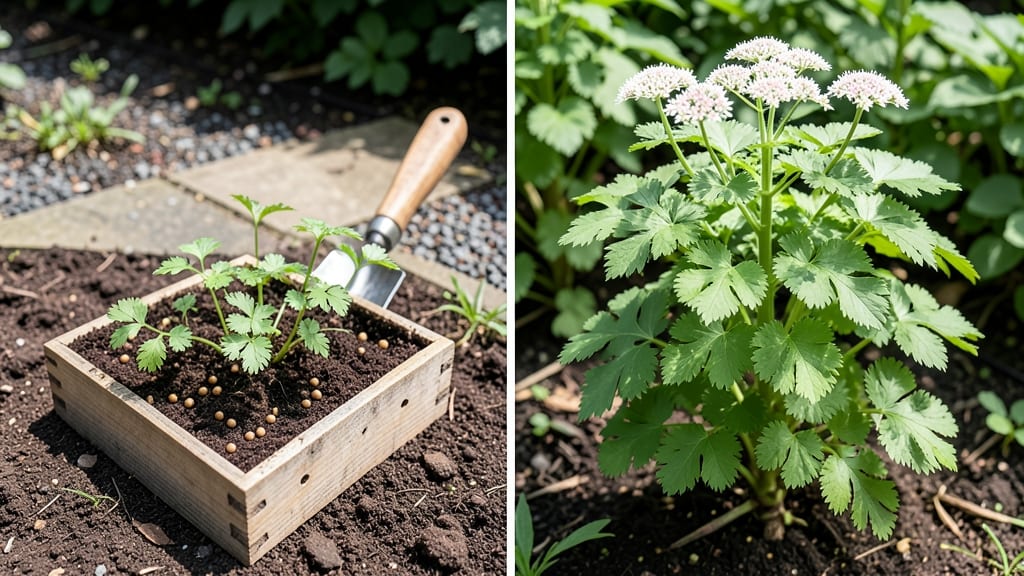
Planting cilantro in North Carolina at the wrong time can turn your garden into a sad, bolted mess before you even get to harvest. The key to avoiding this frustration lies in understanding your specific heat zone and working with NC's unpredictable spring and summer swings.
If you're in zones 7a-8b, your best bets are late winter through early spring—think February to March—when soil temperatures stay cool enough to prevent bolting. But don't stop there: a late summer/early fall planting in August or September can give you a second harvest before frost hits.
The trick is timing it so your cilantro matures before the heat peaks or winter sets in.
I've learned the hard way that direct sowing too early in the year often leads to disappointment, while waiting too long risks missing the window entirely.
What I'm about to share will help you nail those planting dates—plus soil prep tips and shade strategies—to keep your 🌿 cilantro thriving from seed to harvest.
Whether you're a seasoned gardener or just starting out, these insights will save you from the common mistakes that turn cilantro dreams into bolting nightmares. Let's get your garden growing the right way, the first time.
North Carolina heat zones for cilantro planting: avoid bolting in 6-10
North Carolina spans USDA zones 6a through 8b, creating dramatic differences in cilantro's success. The Coastal Plain (7a-8a) bakes in summer, while the Mountains (6a-7a) face earlier frosts. Your planting window hinges on these zones—get it wrong, and you'll watch your cilantro bolt or freeze before harvest.
Cilantro thrives in soil temperatures between 50°F and 75°F. Below 50°F, growth stalls; above 80°F, it bolts. In NC's hotter zones (7b+), afternoon shade becomes non-negotiable. The key? Plant when daytime highs stay under 75°F consistently—typically late winter/early spring or late summer/fall.
First frost dates vary wildly: Coastal NC averages November 15, while the Mountains see frost by October 15. Plan your fall cilantro 6-8 weeks before your area's first frost to ensure a harvest before cold sets in.
| USDA Zone | Ideal Planting Window | First Frost Date | Soil Temp Threshold | Shade Needs |
|---|---|---|---|---|
| 6a (Mountains) | Feb 15 - Mar 15 Aug 1 - Sep 15 |
Oct 15 - Nov 1 | 50-70°F | Partial shade in summer |
| 7a (Piedmont) | Feb 28 - Mar 31 Jul 15 - Aug 31 |
Nov 1 - Nov 15 | 55-75°F | Afternoon shade required |
| 7b (Coastal) | Mar 1 - Apr 15 Aug 1 - Sep 10 |
Nov 15 - Dec 1 | 60-75°F | Full shade in peak summer |
| 8a (Coastal) | Mar 15 - Apr 30 Jul 1 - Aug 15 |
Dec 1 - Dec 15 | 65-75°F | Morning sun only |
For zone 6a gardeners, start seeds indoors February 1 for transplanting after last frost (March 15). In zone 8a, direct sow March 15-April 15 and again July 1-August 15 for fall harvests.
The Coastal Plain offers a longer growing season, but humidity increases disease risk—space plants 8-12 inches apart for airflow.
Pro tip: Use a soil thermometer to confirm 50°F+ soil temps before planting. Cold soil delays germination, while warm soil (above 80°F) triggers bolting. In zone 7b+, mulch with straw to keep roots cool during summer heat.
Bolting is cilantro's way of saying, "'It's too hot!'" If your plants send up flower stalks, they've already set seed—harvest quickly or pull them. In NC's Piedmont, this happens by late May if planted too early. The solution? Succession plant every 2-3 weeks for continuous harvests.
Don't overlook microclimates. A north-facing garden bed stays cooler than a south-facing one by 10-15°F on hot days. Use this to extend your summer cilantro season in zone 7a+ by planting near trees or fences that provide natural shade.
For container growing, choose 5-gallon pots with drainage holes and move them to shadier spots when temps exceed 85°F. This gives you 2-3 extra weeks of harvest in zone 8a before bolting sets in.
Remember: Cilantro is a cool-season crop. It's not built for NC's 90°F+ summers. Plan your fall crop like a pro—start seeds indoors July 15 for transplanting
North Carolina heat zones for cilantro planting: avoid bolting in 6-10
North Carolina’s diverse climate—from the Coastal Plain’s humidity to the Mountains’ cooler springs—means your cilantro’s ideal planting window varies dramatically. In USDA zones 6a-8b, the difference between a thriving harvest and a bolted disappointment often comes down to understanding your specific microclimate.
For example, Asheville’s zone 7a can handle early March plantings, while Wilmington’s zone 8a needs to wait until April to avoid heat stress.
Cilantro thrives when soil temperatures stay between 50-75°F, but once they hit 80°F+, bolting becomes inevitable. That’s why I focus on two critical windows: late winter/early spring (February-March) and late summer/early fall (August-September).
The key is planting 4-6 weeks before your average last frost date—typically mid-March in the Piedmont and early April near the coast.
| USDA Zone | Ideal Planting Window | Soil Temp Threshold | First Frost Risk |
|---|---|---|---|
| 6a (Mountains) | Feb 15 - Mar 15 | 50-65°F | Late Oct |
| 7a (Piedmont) | Mar 1 - Apr 15 | 55-70°F | Mid-Nov |
| 7b (Coastal) | Mar 15 - Apr 30 | 60-75°F | Early Nov |
| 8a (Southeast) | Apr 1 - May 15 | 65-80°F | Late Nov |
| 8b (Coastal Plain) | Apr 15 - Jun 1 (shade) | 70-78°F max | Dec |
For zones 7b and above, summer planting requires extra care. I’ve found that using 30% shade cloth during peak afternoon sun (12-4 PM) can push your window into June—just be ready to harvest quickly.
The Coastal Plain’s humidity also means cilantro here needs well-draining soil to prevent fungal issues like powdery mildew, which thrives in NC’s muggy summers.
Pro tip: Check your local Cooperative Extension Service for precise frost dates—Raleigh’s last frost often comes 2 weeks earlier than Wilmington’s. I once planted cilantro in early March in Raleigh, only to lose it to a surprise frost.
Now I wait until mid-March and use row covers for added protection during chilly nights.
Remember, cilantro’s bolting trigger isn’t just heat—it’s also long daylight hours. In NC’s zone 8b, days exceed 14 hours of light by June, forcing cilantro to bolt within weeks.
That’s why I prioritize fall plantings in these areas, aiming for seeds in the ground by August 15 to harvest before November’s first frost.
Your cilantro’s success hinges on these three factors: zone-specific timing, soil temperature management, and light control. Master them, and you’ll enjoy fresh cilantro from spring through fall—no bolting in sight. 🌿