
Trees
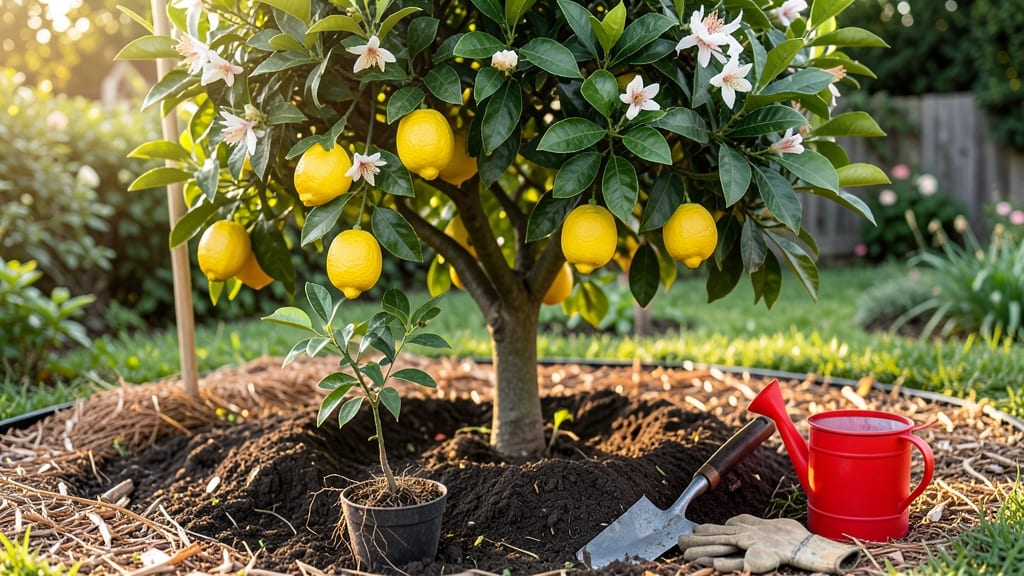
Planting a citrus tree 🍊 in Central Florida isn’t just about sticking a sapling in the ground—it’s about outsmarting the region’s unpredictable weather to give your tree the best chance to thrive.
The wrong timing can leave young roots struggling with frost or wilting under summer’s brutal heat, while the right window ensures strong root establishment before the real challenges begin.
If you’ve ever wondered why some citrus trees in your neighborhood flourish while others wither, the answer often comes down to when they were planted. Central Florida’s 9a-10a climate lets you plant year-round, but late winter to early spring—February through March—is the sweet spot for most varieties.
This timing gives roots time to settle before summer’s intensity kicks in, setting the stage for a tree that’ll reward you with fruit for years.
But here’s the catch: coastal areas near the Gulf might play by slightly different rules than inland Orlando, and dwarf varieties like Meyer lemons have different needs than a full-sized Valencia orange.
I’ll walk you through the exact months to plant based on your microclimate, plus how to prep your soil and protect your tree from Florida’s quirks—like those rare but damaging cold snaps that can sneak in even in our warm zone.
Ready to plant? Let’s break down the critical steps to timing your citrus tree for success, from soil prep to summer survival strategies that’ll keep your tree happy and productive all year.
Optimal planting windows for citrus trees in Central Florida’s microclimates
Central Florida’s 9a-10a climate might seem forgiving, but citrus trees still need the right timing to thrive. The best months to plant are November through February, when soil temperatures are cool but frost risks are minimal.
This window gives young roots time to establish before summer’s intense heat arrives, setting your tree up for long-term success.
Why these months? November and December offer mild temperatures and lower humidity, reducing stress on newly planted trees. By January and February, you avoid the worst of winter’s rare cold snaps while still benefiting from spring’s approaching warmth.
Coastal areas near Tampa or St. Petersburg can plant slightly later—even into early March—thanks to their milder microclimates.
Inland regions like Orlando or Kissimmee, however, face slightly higher frost risks, especially in January. Planting in late November or early December here gives roots a buffer before potential cold snaps.
Always check your local frost-free dates—Central Florida’s last average frost is around January 1, but unexpected dips can occur.
If you miss the ideal window, April is a secondary option, but young trees planted then may struggle with summer’s heat before roots fully establish. Avoid planting in June through September—the extreme heat and humidity can stress seedlings, leading to poor root development or even death.
Citrus varieties also play a role. Dwarf varieties like Meyer lemons or Calamondin oranges adapt more easily to late planting, while standard-sized trees like Valencia oranges or grapefruits need the full November-February window.
Smaller trees recover faster from transplant shock, making them a better choice if you’re planting outside the ideal months.
Microclimates matter! Coastal areas benefit from the Gulf’s moderating influence, while inland zones face more temperature swings. For example, Cocoa Beach might handle March planting, but Lakeland could see frost damage if planted too late. Use these guidelines as a starting point, then adjust based on your specific location’s history.
🌱
| Planting Window | Best For | Soil Temp | Frost Risk | Root Establishment |
|---|---|---|---|---|
| November | Coastal areas, dwarf varieties | 60-65°F | Low (coastal), Moderate (inland) | Excellent (cool roots, low stress) |
| December | All regions, standard varieties | 55-60°F | Moderate (possible light frost) | Good (slow growth, strong roots) |
| January | Inland areas, frost-protected zones | 50-55°F | High (rare but possible) | Fair (risk of cold damage) |
| February | All regions, best for standard trees | 60-65°F | Low | Excellent (warmth stimulates growth) |
| March | Coastal only, dwarf varieties | 65-70°F | Very low | Good (but summer heat coming) |
| April | Emergency planting, dwarf varieties | 70-75°F | None | Poor (summer stress risk) |
Protecting your newly planted citrus tree from Florida’s unpredictable cold snaps is key, especially if you plant in late winter. Use frost cloth or a windbreak for the first few weeks after planting.
Coastal areas benefit from the Gulf’s warmth, but inland zones should monitor local weather forecasts and be ready to cover young trees if frost is predicted.
Once planted in the optimal window, focus on well-draining soil and consistent watering to encourage root growth. Mulch around the base to retain moisture and regulate soil temperature. By summer, your tree will be better equipped to handle Central Florida’s heat—unlike those planted too late and struggling to keep up.
🌳
Critical factors that determine your citrus planting timeline
Planting your citrus tree at the right time isn’t just about picking a month—it’s about understanding how soil temperature, rainfall patterns, and even your chosen citrus variety interact with Central Florida’s climate.
For example, a Valencia orange thrives when planted in February or March, but a Satsuma mandarin might tolerate a slightly earlier November start. The key is aligning your planting with when the ground warms enough for root growth but before summer’s intensity hits.
Soil temperature is your first clue. Citrus roots struggle below 60°F, so aim to plant when daytime soil temps consistently stay above this mark. In Central Florida, this typically happens by mid-February inland and a week or two earlier near the coast.
Use a soil thermometer to check—it’s the surest way to avoid stunted growth from cold stress.
Rainfall also plays a sneaky role. While citrus trees love moisture, excessive rain after planting can drown young roots. November plantings near the coast might face this risk, while February plantings inland benefit from drier conditions.
If you’re planting in late fall, schedule it for a dry spell to give roots time to establish before winter rains arrive.
Your citrus variety matters too. Dwarf varieties like Meyer lemons adapt faster to transplanting and can handle slightly earlier plantings in late October or early November.
In contrast, standard-sized grapefruits need the full February-March window to avoid winter stress. Even within varieties, grafted trees (common in nurseries) establish roots faster than seed-grown ones.
Don’t overlook microclimates—your exact location in Central Florida can shift the ideal window by weeks. Coastal areas like Tampa or St. Petersburg stay warmer longer, while inland cities like Orlando or Ocala may need to wait until March.
Check your local USDA Zone 9a-10a frost dates (yes, even here!) and plant at least 4-6 weeks before the average last frost to give roots time to anchor.
Here’s my pro tip: If you’re torn between November and February, go for February. The extra time lets roots strengthen before summer’s heat, and you avoid the humidity and fungal risks of late fall plantings.
But if you’re itching to plant now, November works for coastal areas—just add extra mulch and watch for cold snaps.
| Factor | Central Florida Ideal | Why It Matters |
|---|---|---|
| Soil Temperature | 60°F+ (Feb-March) | Roots need warmth to grow; below 60°F, growth stalls. |
| Rainfall Timing | Dry spells (avoid heavy rain after planting) | Excess moisture causes root rot in young trees. |
| Citrus Variety | Dwarfs (Nov), Standards (Feb-Mar) | Smaller trees adapt faster; larger types need full root time. |
| Microclimate | Coastal (Nov), Inland (Feb-Mar) | Coastal areas stay warmer; inland needs later starts. |
| Frost Risk | Plant 4-6 weeks before last frost | Even rare frosts can damage young, unestablished roots. |
🌱 Pro Tip: Use a soil thermometer to confirm temps before planting—it’s the most accurate way to avoid cold stress.
Once you’ve locked in your planting window, the next critical step is preparing your tree for Central Florida’s summer heat. Young citrus trees planted in the wrong season can suffer from transplant shock or even die if they don’t get proper care during the first few months.
I’ll cover how to mulch, water, and acclimate your tree in the next section—trust me, these steps make the difference between a thriving citrus grove and a sad, wilting sapling.