
Trees
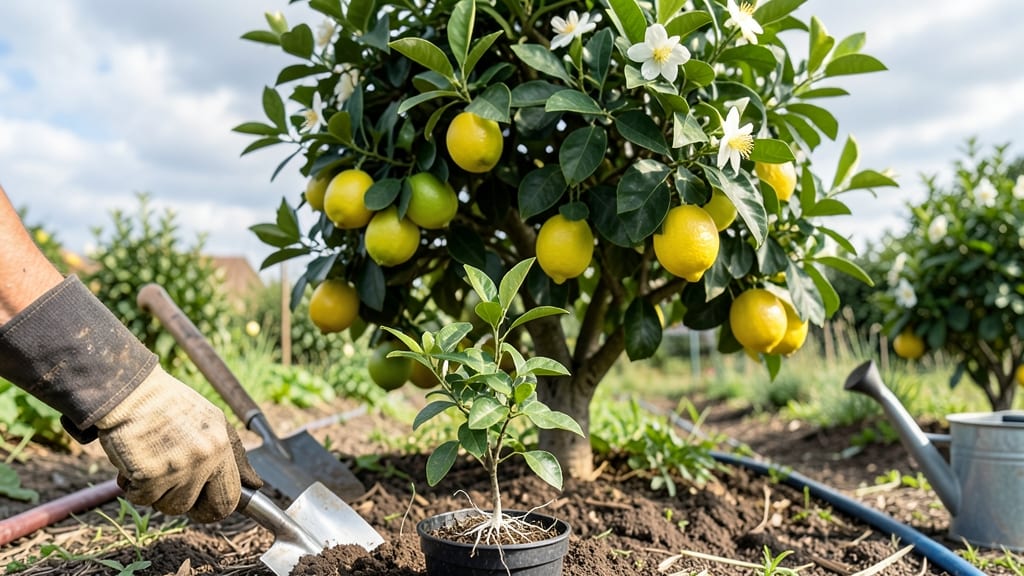
Planting citrus trees 🍊 in Louisiana at the wrong time could mean the difference between a thriving orchard and a sad, stunted investment. The key isn't just about the calendar—it's about understanding your heat zone's unique frost risks and humidity challenges that most guides overlook.
If you've ever watched a citrus tree struggle through Louisiana's sweltering summers or freeze-sensitive winters, you know timing matters. The ideal window opens in late winter, when the air warms but frost danger fades—typically February through March—but coastal areas have slightly different rules than inland zones.
What you'll discover here are the exact deadlines for your specific heat zone, plus pro tips for soil prep and post-planting care that keep your trees healthy through Louisiana's extreme conditions. Let's get your citrus off to the right start.
From selecting the perfect spot to avoiding common pitfalls like overwatering or poor drainage, I'll walk you through every step to ensure your citrus trees grow strong enough to bear fruit by next fall. Ready to turn your yard into a mini orchard?
Louisiana citrus planting deadlines by heat Zone (USDA 8a-9b)
Louisiana’s climate is a citrus lover’s dream—warm winters, long summers, and plenty of sunshine—but getting the planting timing wrong can turn your dream orchard into a sad, stunted mess.
The state spans USDA Hardiness Zones 8a and 9b, each with its own frost risks and microclimates that dictate the perfect window for planting citrus trees like oranges, lemons, and grapefruit. Get it wrong, and you risk frost damage or heat stress in the first growing season.
For Zone 8a (north and central Louisiana, like Shreveport and Alexandria), the last frost typically hits around February 15, while Zone 9b (southern Louisiana, including New Orleans and Lafayette) enjoys frost-free winters year-round.
This means your planting deadlines shift depending on where you live—and whether you’re growing dwarf varieties (like Meyer lemons) or standard-sized trees.
Here’s the golden rule: Plant citrus trees after the last frost date but before the summer heat peaks. In Louisiana, that means late February to early April for most regions, with Zone 9b gardeners having a slightly longer window into May.
But timing isn’t just about frost—it’s also about giving your tree time to establish roots before the humidity and heat of Louisiana summers kick in.
Coastal areas like Grand Isle or Houma can plant a little later due to their milder winters, while inland cities like Baton Rouge or Monroe need to rush to get trees in the ground before March’s unpredictable cold snaps.
Even a single late frost can kill young citrus trees, so don’t cut it too close!
🌱 Louisiana Citrus Planting Deadlines by Heat Zone
| Zone | Last Frost Date | Best Planting Window | Citrus Varieties to Try | Key Consideration |
|---|---|---|---|---|
| USDA 8a (Shreveport, Alexandria) | February 15 | Late February–Early April | Meyer lemon, Satsuma orange, Calamondin | Frost risk until April; prioritize root establishment |
| USDA 9b (New Orleans, Lafayette) | None (frost-free) | Late February–May | Valencia orange, Eureka lemon, Ruby Red grapefruit | Longer window; avoid summer planting due to humidity |
| Coastal (Grand Isle, Houma) | Rare (occasional light frost) | March–April | Limequat, Clementine, Sour orange | Salt tolerance; watch for hurricane prep |
✅ Pro Tip: Container-grown citrus can be planted up to 6 weeks later than bare-root trees since their roots are already established.
If you’re in Zone 8a, aim to have your citrus trees planted by March 15 at the latest. This gives them 6–8 weeks to establish roots before the heat of April and May ramps up.
For Zone 9b, you’ve got a little more flexibility, but avoid planting after May 1—the combination of high humidity and heat can stress young trees and invite fungal diseases like citrus greening.
Microclimates matter too! Even within a single heat zone, urban areas (like New Orleans) can be 5–10°F warmer than rural spots due to the “urban heat island” effect.
If you’re in a hotter pocket, you might safely plant a week or two later than the general deadline. Always check your local cooperative extension service for hyper-local advice.
One more critical note: Citrus trees hate soggy roots. Louisiana’s heavy clay soils and frequent rains mean you’ll need to amend the soil and ensure proper drainage before planting.
Skipping this step is a fast track to root rot, which can kill your tree before it even bears fruit. We’ll dive deeper into soil prep in the next section—but for now, mark your calendar for late February to early April and get ready to plant!
🌿
How to prepare citrus trees for Louisiana’s extreme heat and humidity
Louisiana’s humid subtropical climate pushes citrus trees to their limits—too much heat or moisture can lead to root rot, fungal diseases, or heat stress. But with the right prep, your trees can thrive. Start by amending your soil to improve drainage, since citrus hates soggy roots.
Aim for a sandy loam with a pH between 6.0 and 7.0—test your soil first, as Louisiana’s native clay often needs gritty additions like coarse sand or perlite.
Next, protect young roots from extreme heat. Use mulch (like pine bark or wood chips) to regulate soil temperature and retain moisture, but keep it 3-4 inches away from the trunk to prevent rot.
For container-grown citrus, choose large pots with drainage holes—small containers dry out too fast in Louisiana’s summer heat. Elevate pots slightly to prevent waterlogging during heavy rains.
🌱 Pro Tip: If planting in USDA Zone 8a (northern LA), consider winter protection like burlap wraps or frost cloth for young trees. Even a light frost can damage tender citrus. In Zone 9b (coastal areas), focus on shade cloth during peak summer to prevent sunburn on leaves.
Container vs. In-Ground Planting in Louisiana
| Factor | Container Planting | In-Ground Planting |
|---|---|---|
| Drainage | Excellent (if pot has holes) | Moderate (amend soil) |
| Heat Tolerance | Lower (pots heat up fast) | Higher (soil stays cooler) |
| Fungal Risk | Lower (less humidity near roots) | Higher (humid climate) |
| Mobility | High (move indoors in winter) | None |
| Best For | Small yards, renters, frost-prone areas | Permanent landscapes, large properties |
After planting, water deeply but infrequently—citrus trees in Louisiana need 1-2 inches of water per week, but avoid overhead sprinkling to prevent fungal diseases like citrus scab.
Instead, use drip irrigation or a soaker hose to deliver water at the base of the tree. Early morning is best to let foliage dry before humidity spikes.
Finally, monitor for pests like citrus psyllids or scale insects, which thrive in Louisiana’s warm weather. Spray trees with neem oil or insecticidal soap at the first sign of infestation.
Prune regularly to improve airflow and reduce humidity trapped in the canopy—this is key to preventing anthracnose, a common fungal disease in our climate.
With these steps, your citrus trees will establish strong roots and bounce back from Louisiana’s sweltering summers and humid winters. Just remember: drainage, shade, and pest control are your best friends in the Bayou State! 🌿