
Plants
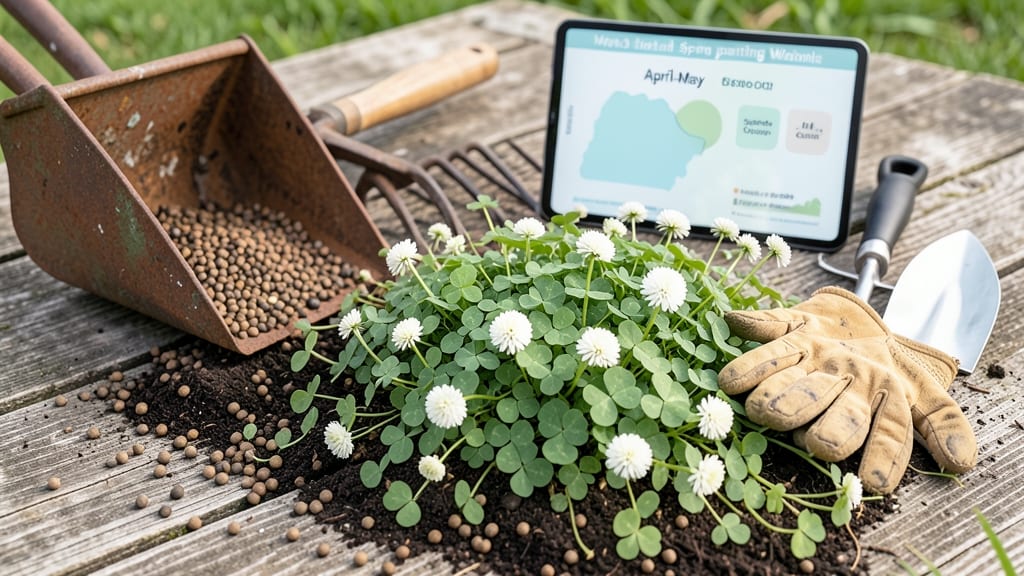
Timing your clover planting in Iowa can make or break your 🌿 success—get it wrong, and you’re staring at a patch of dirt instead of lush green cover.
The key isn’t just knowing when to plant; it’s syncing your schedule with Iowa’s 5a-6b frost dates, soil temperatures, and regional quirks that can shift your window by weeks.
Most gardeners in Iowa swear by early spring (March–April) or early fall (August–September) planting, but those dates aren’t one-size-fits-all. Whether you’re growing white clover for lawns or red clover for forage, the last frost (around April 15) and soil warmth (aim for 50°F) dictate your move.
Plant too soon, and frost will nip your seedlings; too late, and summer heat stunts their growth.
In this guide, I’ll break down the exact planting calendar for Iowa’s microclimates—from Des Moines’ urban heat islands to rural areas where frost lingers longer.
You’ll learn how to adjust for northern vs. southern Iowa, when to prep your soil, and the 3 signs your timing is off (spoiler: yellowing leaves aren’t just about water).
By the end, you’ll know not just when to plant clover in Iowa, but how to give it the best shot at thriving—so you’re not left scratching your head come harvest time. Let’s get those seeds in the ground the right way.
Iowa’s best planting windows for clover by type (white, red, Alsike)
Iowa’s USDA Zones 5-6 mean clover thrives with precise timing—too early and frost kills seedlings, too late and summer heat stresses young plants. The key is matching soil temperatures (50°F+) with frost-free windows.
For white clover, the sweet spot is March–April or August–September, while red clover prefers slightly warmer soil in late April–May.
Alsike clover, a cold-hardy variety, can handle earlier spring planting (as soon as soil thaws in March), but all types need 2–3 weeks before last frost for strong root establishment. Fall planting is ideal for cover crops, giving clover time to establish before winter dormancy.
Here’s your Iowa-specific planting calendar for each clover type, including soil prep, seed depth, and frost risk:
| Clover Type | Best Planting Window | Soil Temp Threshold | Seed Depth | Frost Risk |
|---|---|---|---|---|
| White Clover | March 15–April 15 (spring) or August 15–September 15 (fall) | 50°F (10°C) | 1/4 inch deep | Low (spring); None (fall) |
| Red Clover | April 15–May 15 (spring only) | 55°F (13°C) | 1/2 inch deep | Moderate (late spring) |
| Alsike Clover | March 1–April 1 (spring) or August 1–September 1 (fall) | 45°F (7°C) | 1/4 inch deep | Low (spring); None (fall) |
For spring planting, aim to finish 2 weeks before Iowa’s average last frost date (April 15 in most areas). Use a soil thermometer to confirm temps—clover seeds won’t germinate below 50°F. In northern Iowa (Zone 5a), delay until mid-April to avoid frost.
Fall planting is my top recommendation for cover crops—sow Alsike or white clover in late August to let roots establish before winter. Avoid planting after September 15, or seedlings may not harden off before frost. Red clover isn’t ideal for fall due to its warm-season needs.
Pro tip: Test your soil pH (ideal range: 6.0–7.0) before planting. Iowa’s clay-heavy soils benefit from compost or lime if pH is below 6.0. Mix in 1–2 inches of compost 2 weeks before sowing to improve drainage and nutrient availability.
After planting, lightly rake the soil to cover seeds (but don’t bury deeper than 1/4 inch). Keep the area moist but not soggy—clover seeds need consistent moisture to germinate. Water daily for 2 weeks unless rain falls, then taper to 2–3 times per week.
Watch for slow germination (up to 3 weeks in cool soil). If seedlings appear yellow or stunted, they may be too deep or overcrowded. Thin to 10–15 plants per square foot for white clover or 5–8 plants per square foot for red clover to reduce competition.
Once established, clover is drought-tolerant but thrives with 1 inch of water weekly during Iowa’s hot summers. Mow cover crop clover to 2–3 inches to encourage regrowth, or let it flower for hay or seed production.
🌱
How to adjust planting dates for Iowa’s microclimates (north vs. south, urban vs. rural)
Iowa’s diverse microclimates mean your neighbor’s perfect planting window might be too early or late for your yard. North Iowa’s cooler temps delay soil warming by 2-3 weeks compared to southern counties. Even within Des Moines, urban heat islands can push planting dates 1-2 weeks earlier than rural areas.
Use local frost records from your county extension office—Sioux City’s last frost averages April 20, while Dubuque’s often lingers until May 5. Adjust your timeline accordingly to avoid frost damage or heat stress.
🌱
| Region | Spring Planting Window | Fall Planting Window | Key Adjustment |
|---|---|---|---|
| North Iowa (Dubuque, Waterloo) | May 1–15 | August 20–September 10 | Wait for soil to reach 55°F |
| Central Iowa (Des Moines, Ames) | April 15–May 1 | August 10–20 | Standard timing; monitor soil moisture |
| South Iowa (Sioux City, Ottumwa) | April 1–15 | August 1–10 | Plant 1 week earlier if soil warms fast |
| Urban Areas (Cedar Rapids, Iowa City) | April 10–25 | August 5–15 | Heat islands warm soil 5–7 days faster |
For urban gardens, test soil temps with a soil thermometer—clover seeds need 50°F+ to germinate. If your yard stays cooler (like shaded spots), hold off until 55°F for reliable sprouting.
Rural areas with darker, moisture-retentive soils (like loam) can plant 1 week earlier than sandy soils, which dry out faster. Always water seeds daily until germination to prevent crusting.
💧
Pro tip: Alsike clover thrives in Iowa’s cooler north, while white Dutch clover handles southern heat better. Match your variety to your microclimate for optimal success—and check your local USDA Plant Hardiness Zone map for precise adjustments.