
Plants
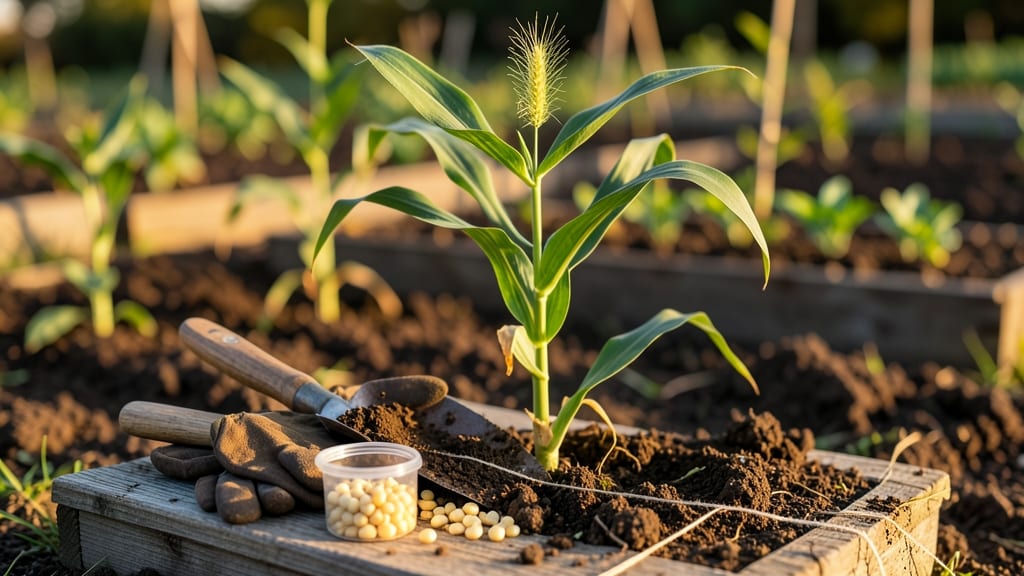
Planting corn in Georgia at the wrong time can mean the difference between a bumper crop of sweet 🌽 ears and a sad, frost-nipped disappointment. The key isn't just waiting for spring—it's tracking soil temperatures, which most gardeners overlook but make all the difference for fast germination.
Here's the truth: Corn seeds won't sprout reliably until your soil hits 60°F, and waiting for that magic number is the secret to avoiding slow starts or failed crops.
In Georgia's 7b-8b zones, that typically means mid-April to early June, but your exact window depends on whether you're in the Piedmont's cooler hills or the Coastal Plain's warmer lowlands.
I've tested the best methods for checking soil temperature and adjusting planting times—no more guessing games.
You'll learn how to use a simple thermometer (or even a DIY trick with a thermometer and a jar of water) to time your corn perfectly for fast growth and a harvest window from late July through October.
Ready to grow corn that's ready to pick in record time? Let's dive into the exact planting schedule, soil prep secrets, and variety picks that work best in Georgia's heat—so you can enjoy fresh, homegrown corn at its peak.
Georgia corn planting dates by region: soil temperature guide
Georgia’s diverse climate means corn planting dates vary dramatically from the Coastal Plain to the North Georgia mountains. The key? Soil temperature—corn needs 50°F+ to germinate and 60°F+ for optimal growth. Let’s break down the perfect windows for each region, including frost risk timelines to avoid seedling loss.
In North Georgia (USDA Zone 7b), where higher elevations delay warming, aim for late April to early May.
The last frost typically occurs around April 15, but soil may take weeks to warm. Piedmont gardeners (Zone 7b-8a) can plant slightly earlier, from mid-April to late May, while the Coastal Plain (Zone 8a-8b) enjoys a longer window from March 20 to June 1.
🌽 Pro Tip: Use a soil thermometer to confirm readiness—wait until morning temps hit 60°F consistently for 5+ days. This prevents slow, uneven germination.
Georgia Corn Planting Windows by Region
| Region | USDA Zone | Ideal Planting Window | Last Frost Date | Soil Temp Threshold |
|---|---|---|---|---|
| North Georgia (e.g., Blue Ridge) | 7b | Late April–Early May | April 15–May 1 | 60°F+ (consistent) |
| Piedmont (e.g., Atlanta) | 7b–8a | Mid-April–Late May | March 20–April 10 | 55°F+ (germination), 60°F+ (growth) |
| Coastal Plain (e.g., Savannah) | 8a–8b | March 20–June 1 | February 15–March 15 | 50°F+ (germination), 65°F+ (optimal) |
🌡️ Note: Coastal Plain soils warm fastest due to milder winters.
For Northern Georgia gardeners, consider succession planting in late June for a fall harvest. The first frost rarely hits before November 15, giving you time for a second crop if you choose fast-maturing varieties like ‘Peaches and Cream’ (70-day harvest).
In the Piedmont, where soil temperatures fluctuate more, I recommend planting in two batches: the first in mid-April (for early summer corn) and the second in late May (for fall corn). This spreads out your harvest and reduces risk from late frosts or drought.
🌱 Key Mistake: Planting too early in North Georgia is a common error. Even if frost risk passes, cold soils (below 50°F) will delay germination by weeks. Use black plastic mulch to warm soil faster if needed.
Georgia’s Coastal Plain offers the longest growing season, but don’t rush—June plantings may struggle with summer heat unless you use shade cloth or drip irrigation to maintain soil moisture. Aim for early June at the latest to ensure kernels mature before frost.
💡 Local Tip: Check your county’s University of Georgia Extension frost maps annually, as microclimates (like urban heat islands) can shift planting dates by 1–2 weeks. For example, Athens (Piedmont) often warms 5–7 days earlier than nearby rural areas.
Finally, soil preparation matters just as much as timing. Work in compost 2–3 weeks before planting to improve drainage and warmth retention. In sandy Coastal Plain soils, add organic matter to hold moisture, while clay-heavy Piedmont soils benefit from gypsum to prevent compaction.
☀️ Ready to Plant? Grab your soil thermometer and mark your calendar—Georgia’s corn season starts when the soil says so, not the calendar!
How to test soil temperature for corn germination (DIY methods)
Testing soil temperature is the secret weapon for growing corn in Georgia—it’s how I’ve avoided slow, patchy germination and ensured my plants pop up in just 5–7 days. Corn seeds need 60°F+ soil for reliable sprouting, but air temperature alone won’t cut it.
For example, a sunny 75°F afternoon might fool you, but if the soil hasn’t warmed by morning, your seeds will rot before germinating.
Here’s my go-to method: Use a soil thermometer (they’re cheap and last for years). Stick it 2 inches deep—that’s where corn seeds should sit—and take readings at 8 AM for 3–5 consecutive mornings.
If temps hover around 60°F+, it’s time to plant. Pro tip: Check the deepest part of your bed, as shaded areas stay cooler longer.
⚠️ WARNING: Common Mistake Alert! Don’t rely on air temperature or afternoon readings—soil warms slowly, especially in North Georgia’s clay soils. I once planted corn in late April based on 70°F air temps, only to watch my seeds mold in 50°F soil.
Always measure morning soil temps at planting depth. If your thermometer reads below 55°F, wait at least 1–2 weeks—corn seeds won’t germinate until soil hits 50°F+, but growth will be sluggish below 60°F.
🌡️ Critical Soil Temp Rules for Georgia Corn
- Minimum for germination: 50°F (but expect slow sprouting)
- Optimal for fast growth: 60°F+ (aim for this in all GA regions)
- Danger zone: Below 50°F (seeds rot; don’t plant)
- North GA adjustment: Add black plastic mulch 1–2 weeks before planting to warm soil by 5–10°F
- Coastal Plain tip: Soil may hit 65°F+ by March—plant early if using shade cloth to prevent heat stress
⚠️ NEVER plant corn in Georgia when nighttime temps drop below 55°F—your seedlings will wilt or rot.
No thermometer? Try the moisture test: Dig a hole 2 inches deep, fill it with water, then cover with a clear plastic lid (like a takeout container). If condensation forms on the lid by morning, your soil is too cold for planting.
For a seed depth trick, bury a few seeds 1 inch deep in a small pot with warm soil (check a compost pile for 70°F+ soil). If they sprout in 3–5 days, your outdoor soil is ready.
If your soil temps fluctuate (common in Piedmont’s variable climatetwo batches: Start with 10% of seeds when soil hits 55°F, then plant the rest when it reaches 60°F.
This staggered approach extends your harvest window—my June plantings in Savannah often yield corn in September, just before frost.
Finally, watch for nighttime temperature drops. Even if your morning soil temp is perfect, if nights dip below 55°F, cover seedlings with frost cloth or a row tunnel.
I’ve saved entire beds this way in North Georgia’s unpredictable springs. The goal? Consistent warmth—corn hates temperature swings more than anything else.
🌱 Ready to Plant? Grab your thermometer, check those morning temps, and mark your calendar. Georgia’s corn season starts when the soil says “go”—not the almanac!