
Plants
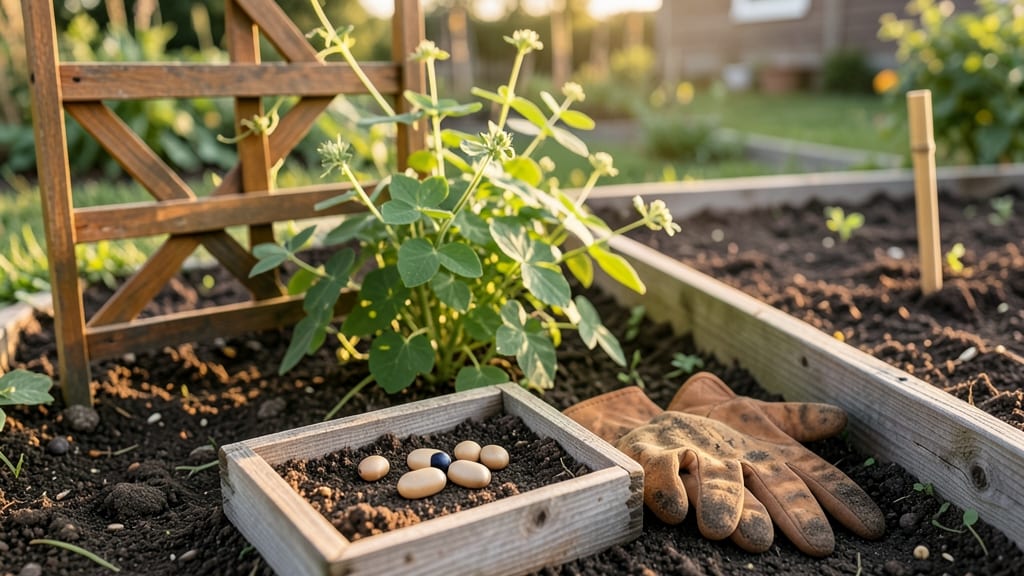
Planting cowpeas at the wrong time in Texas can mean the difference between a bumper crop and wasted effort—especially when heat and drought threaten your harvest. This warm-season legume 🌱 actually prefers the scorching summers of zones 8a-10b, but timing matters more than you might think.
Most gardeners assume cowpeas can be sown anytime after frost, but that’s a recipe for disappointment in Texas. The key is waiting until soil temperatures hit 60°F and all frost risk has passed, which varies wildly from North to South Texas.
I’ll show you exactly when to plant in your specific region—plus how to prep your soil for maximum success.
You’ll also discover the heat-tolerant varieties that thrive in Texas summers, like Purple Hull and Blackeye, and how companion planting can boost yields. Whether you’re a backyard gardener or a small-scale farmer, these tips will help you avoid common mistakes and grow cowpeas that are both productive and delicious.
Ready to turn your Texas garden into a cowpea powerhouse? Let’s dive into the perfect planting schedule and soil prep secrets that’ll have you harvesting fresh pods from June through November.
Best planting times for cowpeas in Texas by region
Texas’ vast climate zones mean cowpeas thrive in different windows depending on whether you’re in North, Central, or South Texas. The key is planting after the last frost and before summer heat peaks, typically between March and September.
Let’s break down the ideal planting calendar for each region to avoid frost damage or heat stress.
For North Texas (USDA Zones 7b-8a), where frost risk lingers until mid-February, aim to plant cowpeas between mid-April and early June. This gives your plants enough time to mature before fall frosts in December.
In Central Texas (Zones 8a-8b), you’ve got a longer window—late March to late July—thanks to milder winters and hotter summers.
South Texas (Zones 9a-10b) is the most forgiving, with a year-round planting opportunity, but peak success comes from February to September. The heat here is relentless, so starting early ensures pod production before the humidity spikes in late summer. Always check your local frost dates—they vary even within regions!
| Region | USDA Zone | Last Frost | Best Planting Window | Harvest Window |
|---|---|---|---|---|
| North Texas | 7b-8a | Mid-February | Mid-April to Early June | June to October |
| Central Texas | 8a-8b | Late January | Late March to Late July | May to November |
| South Texas | 9a-10b | None (rare) | February to September | April to December |
If you’re planting in late spring (May-June), focus on fast-maturing varieties (60-70 days) to avoid summer heat stress. For fall harvests, start seeds indoors in July and transplant in August—this works well in Central and South Texas where nights stay warm.
Pro tip: Use a soil thermometer to confirm soil temps are above 60°F before planting. Cowpeas won’t germinate in cold soil, and waiting ensures stronger starts. In drought-prone areas, mulch heavily after planting to retain moisture during Texas’ brutal summers.
For container gardening, align your planting with the same regional windows but choose dwarf varieties like ‘Purple Hull’ to fit smaller spaces. Containers dry out faster, so water daily until established. Just remember: cowpeas hate soggy roots, so ensure pots have drainage holes.
One common mistake? Planting too early in North Texas and risking frost damage or too late in South Texas, leading to heat exhaustion. Always align your planting date with your harvest goal—aim for 60-90 days of growth before the first frost hits.
Finally, consider succession planting every 2-3 weeks in spring and summer to extend your harvest. This works especially well in Central and South Texas, where the growing season is long. Just keep an eye on rainfall patterns—Texas droughts can sneak up fast!
With the right timing, your cowpea plants will reward you with lush vines and abundant pods all season long. Happy planting! 🌱
Heat-tolerant cowpea varieties that succeed in Texas summers
Texas’ brutal summers can turn cowpeas into a gamble if you’re not using the right heat-tolerant varieties. The good news? Several cultivars thrive in 90°F+ temperatures and low humidity, making them perfect for USDA Zones 8a-10b.
My top picks—Purple Hull, California Blackeye, and Iron Clay—are drought-resistant, fast-maturing, and packed with flavor. Let’s dive into which ones work best where and why.
For North Texas gardeners, ‘Purple Hull’ is a standout because it matures in 60-70 days, avoiding summer heat stress. Its purple pods are sweet and tender, and it handles light drought better than most varieties.
In Central Texas, where heat arrives early, ‘California Blackeye’ shines with its black-eyed peas and 75-day maturity. This variety also resists pod borers, a common pest in Texas.
South Texas growers should prioritize ‘Iron Clay’ or ‘Red Ripple’, both of which tolerate extreme heat and high humidity. These varieties produce heavy yields even when other plants wilt. If you’re growing for dry beans, ‘Pinkeye Purple Hull’ is another excellent choice—it’s drought-tolerant and stores well for winter meals.
| Variety | Best For | Maturity | Heat Tolerance | Yield |
|---|---|---|---|---|
| Purple Hull | North/Central TX | 60-70 days | High | Moderate |
| California Blackeye | Central/South TX | 70-75 days | Very High | High |
| Iron Clay | South TX | 80-90 days | Extreme | Very High |
| Red Ripple | All Regions | 75-80 days | High | Moderate |
When selecting seeds, always check the maturity date to align with your planting window. For example, if you’re in South Texas and planting in June, choose a 70-day variety to harvest before fall rains increase fungal risks.
In North Texas, opt for earlier varieties (like ‘Early Red’) to finish before first frost.
Avoid ‘Cowpea’ seeds labeled for cooler climates—they’ll struggle in Texas heat. Instead, look for “Southern” or “Drought-Tolerant” tags on seed packets. I’ve had the most success with heirloom varieties from local seed banks, as they’re bred for Texas conditions.
Save seeds from your best plants to create a region-specific strain over time!
For container gardening, stick to bush varieties like ‘Black Valentine’, which stays compact (2-3 feet tall) and produces abundant pods in small spaces. Just ensure your pots are at least 12 inches deep—cowpeas have deep roots and need room to stretch.
One final tip: Interplant cowpeas with okra or sweet potatoes to improve soil health and deter pests. The nitrogen-fixing roots of cowpeas also benefit neighboring plants, making them a smart companion in any Texas garden. With the right variety, your harvest will be bountiful and heat-proof!
Ready to pick your perfect cowpea? Grab seeds from a Texas-based supplier and get planting—your summer garden will thank you! 🌻