
Plants
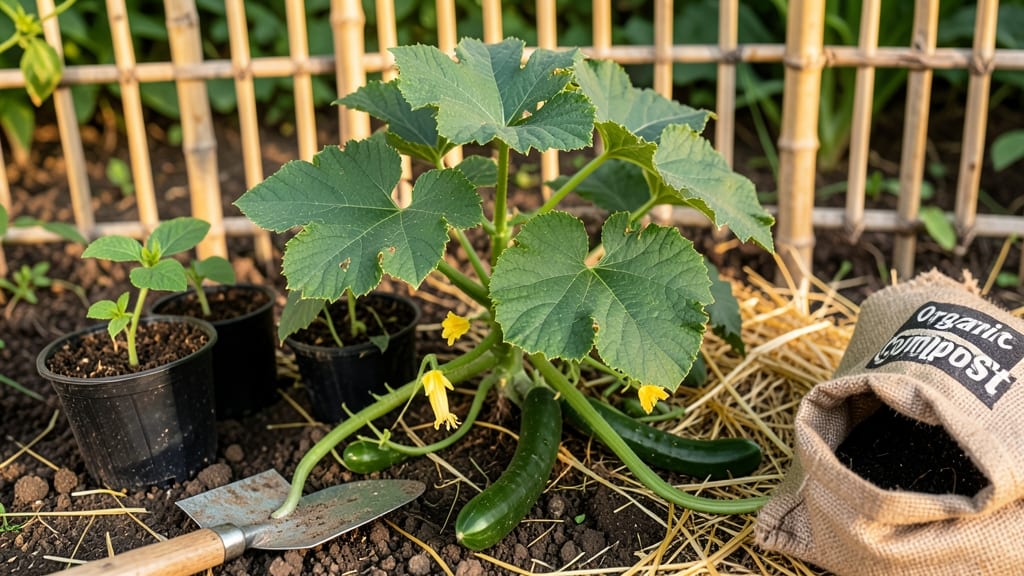
Timing your 🥒 cucumber seeds just right in North Carolina means the difference between a thriving vine and a sad, wilted plant. Plant too early, and frost will nip your seedlings in the bud—literally.
But get the soil temperature and planting window right, and you’ll watch those seeds sprout in 3-5 days instead of weeks, setting you up for a harvest before pests even show up.
North Carolina’s climate is tricky—coastal areas warm up faster than the mountains, and spring frost can linger well into April. That’s why knowing your last frost date and soil temperature thresholds (aim for at least 60°F) is the key to success.
Whether you’re in the Piedmont or the Panhandle, we’ll break down the best weeks to plant for your specific microclimate.
You might think starting cucumbers indoors is the way to go, but in NC’s warm springs, direct sowing often works better.
I’ll show you how to prep your soil, choose the fastest germinating varieties, and use simple hacks like black plastic mulch to speed up growth—so you’re not waiting around for your garden to wake up.
By the end, you’ll know exactly when to plant, how to tell if your soil is ready, and even how to extend your harvest into fall. No more guessing—just a fast, reliable cucumber crop that’ll have your neighbors begging for seeds.
NC soil temperature guide: best weeks to plant cucumber seeds
North Carolina’s diverse climate means your cucumber seeds need precise timing to thrive. The ideal soil temperature for cucumber germination is 60°F or warmer, but seeds won’t sprout reliably below 50°F.
In NC’s USDA Zones 6b-8a, this translates to planting after your last frost date, which varies dramatically across regions.
Coastal areas like Wilmington often see last frosts by March 15, while the Piedmont (Raleigh) waits until April 1, and mountain regions like Asheville may not be frost-free until April 15 or later.
Always check your local NC State Extension frost date maps to avoid frost damage to tender seedlings.
Here’s how to determine your perfect planting window using soil temperature and regional data:
A soil thermometer is your best tool for accuracy. Stick it 2 inches deep in moist soil and wait 30 minutes for a reading. If the temperature hovers around 55°F, cucumber seeds may sprout slowly or not at all.
For faster results, aim for 70°F or higher, especially in cooler mountain regions.
NC’s microclimates can shift planting windows by weeks. For example, a south-facing slope warms up faster than a north-facing garden bed. If you’re unsure, start seeds indoors 3-4 weeks before your target outdoor date using grow lights or a sunny windowsill.
Pro tip: Use black plastic mulch 1-2 weeks before planting to raise soil temperatures by 5-10°F. Lay it down on bare soil, secure the edges, and plant seeds directly through slits in the plastic. This trick lets you plant 2-3 weeks earlier in spring without risking frost damage.
For summer plantings, focus on late July to early August. By this time, the soil has baked under NC’s sun, ensuring fast germination. Just be prepared for pests like cucumber beetles, which thrive in summer heat. Use row covers or neem oil sprays to protect young plants.
Remember: Cucumbers are heat-loving annuals that bolt (go to seed) if stressed by hot, dry conditions. In NC’s Zone 8a coastal areas, you can even squeeze in a fall planting in early September for a late harvest before first frost.
How to speed up germination with NC-specific hacks
North Carolina’s unpredictable spring weather can leave cucumber seeds waiting weeks to sprout—but not if you use these NC-tested hacks. The fastest germination happens when soil stays consistently warm, and these tricks help you bypass cool spells.
I’ve tried them all in my Zone 7b garden, and they cut sprouting time from 2+ weeks down to just 3-5 days.
First, pre-warm your soil with black plastic mulch. Lay it down 1-2 weeks before planting to raise soil temps by 5-10°F. This is especially critical in mountain regions where soil lingers below 60°F.
Just cut slits in the plastic and drop seeds through—no digging required. For extra speed, add compost or aged manure under the plastic to boost microbial activity.
Here’s how to maximize germination speed with proven NC methods:
- 🌱 Use fast-germinating varieties: 'Straight Eight' (7-10 days) or 'Marketmore' (5-7 days) outpace slower types like 'Lemon Cucumber' (10-14 days).
- ☀️ Soak seeds overnight: Place seeds in a damp paper towel for 12 hours before planting to kickstart hydration.
- 🪴 Plant deeper in warm soil: Bury seeds 1 inch deep in 70°F+ soil for quicker emergence. Shallow planting works only if soil is already warm.
- 💧 Water with warm (not hot) water: Use 80°F water to mimic summer soil temps, speeding up metabolic activity in seeds.
- ✂️ Thin aggressively: Sow seeds 2 inches apart initially, then thin to 12 inches when seedlings have 2 true leaves—this prevents overcrowding stress.
For late spring plantings (after May 15), use row covers to trap heat and shield seedlings from cucumber beetles. Remove covers once flowers appear to allow pollination.
In Zone 8a coastal areas, you can even extend the season with a cold frame—plant seeds in early September for a fall harvest before first frost.
One mistake I see often? Overwatering after planting. Keep soil moist but not soggy—cucumber seeds need consistent moisture, but excess water can cause rot. Use a spray bottle for gentle watering until seeds sprout, then switch to drip irrigation to avoid disturbing young roots.
Pro tip: If your soil stays below 65°F for more than a week, consider starting seeds indoors under grow lights 3-4 weeks before your target date. Transplant seedlings when soil reaches 60°F and night temps stay above 50°F.
Harden off seedlings for 5-7 days by placing them outside during the day and bringing them in at night.
With these hacks, you’ll watch those cucumber seeds pop up in days—not weeks—giving your vines a head start on pests and heat. The key is warm soil + patience, and NC’s climate rewards those who plan ahead.