
Plants
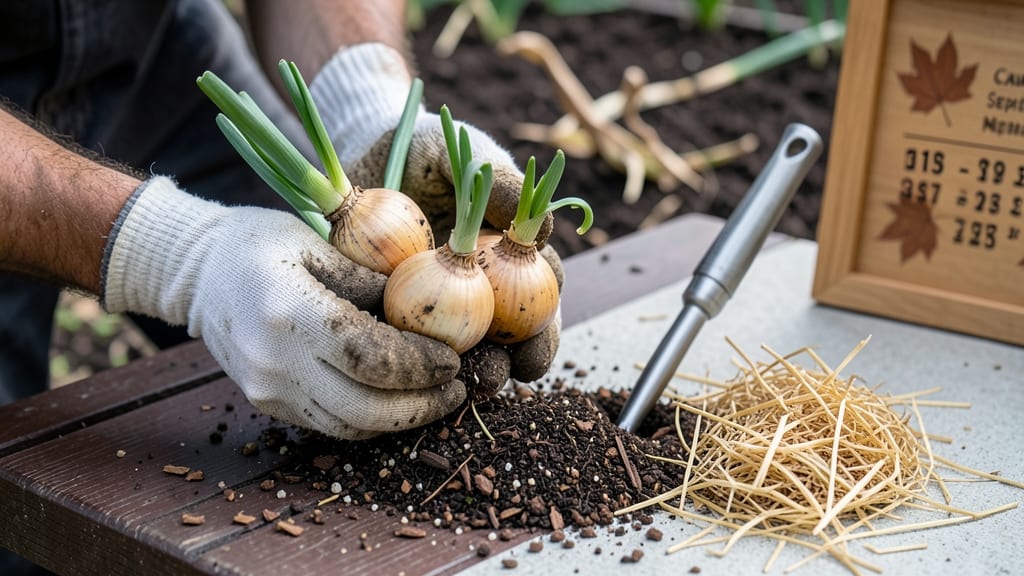
Planting daffodils at the wrong time in Ohio can mean frost-damaged blooms—or worse, no flowers at all. The key to vibrant 🌼 displays next spring lies in timing your fall planting just right, especially in Zone 6a where winters fluctuate unpredictably.
Most Ohio gardeners assume late fall is the only window, but the real magic happens when you plant bulbs 6-8 weeks before the ground freezes. That means aiming for early October—before the first frost—so roots establish without rushing.
I’ve learned the hard way that waiting too late can leave your daffodils vulnerable to winter’s chill.
This isn’t just about avoiding frost; it’s about giving your bulbs time to grow strong roots before winter dormancy. In Ohio’s climate, that means paying attention to soil temperature and local frost dates, not just calendar months. Let me show you exactly how to nail the timing for zero-frost success.
You’ll discover the best months for planting, how to adjust for Ohio’s microclimates, and which daffodil varieties handle late planting best. With these expert tips, your garden will burst into color come spring—no guesswork required.
Best planting months for Ohio daffodils (Zone 5-6 guide)
Ohio's Zone 5-6 climate creates a narrow window for planting daffodils—too early and they'll rot, too late and they won't bloom. The ideal planting window spans October through November, with critical timing tied to soil temperatures and frost dates.
Most Ohio gardeners aim to plant 6-8 weeks before the ground freezes, typically between mid-October and mid-November.
Why fall? Daffodil bulbs need cool soil temperatures (40-50°F) to establish roots before winter dormancy. Planting in fall allows roots to grow slowly while the bulbs remain dormant, ensuring vibrant spring blooms.
Ohio's first frost date (around October 15) marks the deadline for most regions, but southern Ohio has slightly more flexibility.
Northern Ohio (Zones 5) should prioritize October planting, while central and southern Ohio (Zones 6) can extend into early November. The key is soil temperature, not calendar dates. Use a soil thermometer to confirm temperatures are below 60°F—this signals it's time to plant.
Here's what happens if you plant at the wrong time: Planting in September risks rot from warm soil, while planting in December may result in shallow roots unable to support spring blooms. Ohio's unpredictable winters add another layer—late snow cover can delay frost, extending your planting window slightly.
Ohio Daffodil Planting Timeline
| Month | Zone 5 (Northern OH) | Zone 6 (Southern OH) | Soil Temp | Risk Level |
|---|---|---|---|---|
| September | Too early | Possible (southern) | 60-75°F | High (rot risk) |
| October | Ideal | Ideal | 40-60°F | Low |
| November | Late (northern) | Ideal (early) | 35-50°F | Medium |
| December | Too late | Possible (southern) | 30-40°F | High (weak roots) |
*Risk levels based on Ohio's average frost dates and soil conditions
Microclimates play a role in Ohio's diverse geography. Gardeners in Appalachian regions (e.g., Athens) can plant slightly later due to higher elevations and cooler temperatures, while urban areas like Columbus or Cleveland may need to plant earlier to avoid early freezes.
Always check your local USDA Plant Hardiness Zone for precise adjustments.
Pro tip: Mark your calendar for October 15—this is Ohio's average first frost date. Count backward 6-8 weeks to determine your ideal planting window. For example, if frost hits October 20, aim to plant by mid-August to early September—but this is too early!
This highlights why soil temperature, not calendar dates, should guide your timing.
Another Ohio-specific factor is soil drainage. Heavy clay soils common in northern Ohio require amending with compost or sand to prevent bulb rot. Southern Ohio's loamy soils drain better but still benefit from a 2-inch layer of mulch after planting to insulate bulbs during winter temperature swings.
Don't forget about moon phases—while not scientifically proven, many Ohio gardeners swear by planting during the waning moon for stronger root development. Check a lunar planting calendar and align your efforts with the last quarter moon in October for best results.
Finally, consider companion planting to extend your daffodil's bloom window. Pairing them with alliums or tulips creates a staggered bloom sequence, ensuring color from early spring through late winter. This strategy works especially well in Ohio's Zone 5 gardens where short growing seasons demand creative solutions.
How to time planting for zero-frost spring blooms in Ohio
Timing your daffodil planting just right in Ohio means avoiding late fall frosts that can damage tender roots. The key is planting 6-8 weeks before the ground freezes, typically between mid-October and early November for Zone 5-6. This window ensures bulbs establish roots before winter dormancy begins.
Use a soil thermometer to confirm soil temps are between 40°F and 50°F—ideal for root growth without encouraging early sprouting. In colder northern Ohio regions, aim for early October planting to beat the first frost, while southern areas can wait until late October or November.
🌱
Ohio’s microclimates can vary dramatically—urban areas like Columbus may experience earlier frosts than rural zones. Check your local USDA Zone 5b or 6a frost dates and adjust planting by 1-2 weeks if needed.
For example, Toledo’s Zone 6a can safely plant until mid-November, while Cleveland’s Zone 5b should finish by early November.
After planting, water deeply once to settle soil around bulbs, then reduce watering until spring sprouting. This mimics Ohio’s natural fall rainfall patterns while preventing rot. Mark planting spots with biodegradable flags to avoid disturbing roots when snow melts in March-April.
Pro tip: Test your soil’s drainage before planting—daffodils hate soggy soil. Amend heavy clay with sand or compost to create the well-draining conditions they crave. Poor drainage in Ohio’s spring thaw is a top reason bulbs rot before blooming.