
Plants
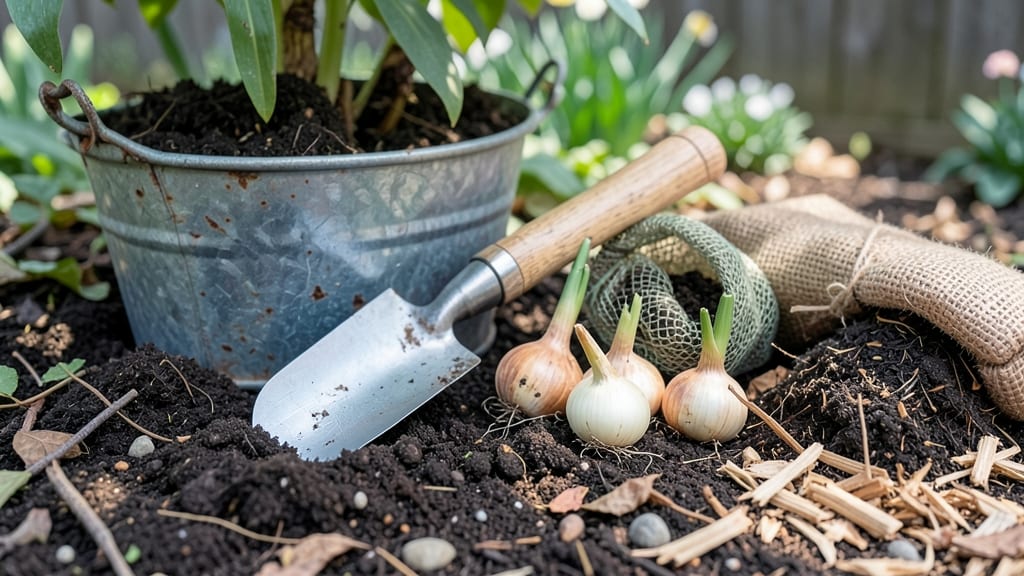
Planting daffodils in Portland, Oregon, isn't just about timing—it's about outsmarting the city's quirky microclimates where urban heat islands meet chilly Willamette Valley breezes. The 6-week window between mid-October and mid-November separates vibrant spring blooms from bulbs that freeze before they even wake up.
I've learned the hard way that Portland's USDA Zone 8a isn't one-size-fits-all—your Southeast neighborhood might stay frost-free weeks longer than your Northwest garden. That's why I'm sharing the exact planting schedule that accounts for your specific microclimate, whether you're in a sun-baked urban pocket or a cooler valley edge.
What you'll discover here isn't generic advice—it's a localized strategy that includes soil prep tricks for our famously wet springs and bulb protection hacks for those late winter freezes that Portland loves to throw at us.
Let's get those 🌼 ready to burst through the mud before the first real frost arrives.
By the end, you'll know exactly when to plant, how deep to bury those bulbs, and which varieties thrive best in Portland's unpredictable dance between rain and sunshine. No more guessing games—just reliable, zero-frost blooms year after year.
Portland’s ideal planting window for daffodils: month-by-month breakdown
Planting daffodils in Portland’s USDA Zone 8b/9a requires precision. The 6-week window before winter—typically mid-October to early November—is critical for root establishment before the first frost (March 15).
This schedule aligns with Portland’s mild but unpredictable winters, where soil temperatures drop gradually but can still surprise gardeners.
Daffodil bulbs need 6-8 weeks of cool soil (below 60°F) to trigger dormancy and root growth. In Portland, soil temps hit this threshold by late September, but planting too early risks rot from lingering summer heat. Aim for October 15–November 15—the sweet spot for most varieties.
Your last frost date (November 15) isn’t the deadline—it’s the soil temperature that matters. Use a soil thermometer to confirm 50–55°F at 4-inch depth. If temps hover above 60°F, delay planting until late October to avoid bulb rot.
Portland’s microclimates create variations. For example, Southeast Portland (warmer) may allow planting until early December, while Northwest neighborhoods (cooler) should plant by mid-November. Adjust based on your yard’s exposure and elevation.
🌼PRO TIP: Plant ‘Ice Follies’ (early bloomer) by September 30 to beat winter dormancy, while ‘Tête-à-Tête’ (container-friendly) thrives planted until November 15. Both varieties handle Portland’s wet springs better than late bloomers.
| Month | Soil Temp Goal (°F) | Action | Notes |
|---|---|---|---|
| September | 60–70°F | Prep soil | Test pH (6.5–7.0) |
| October | 50–60°F | Plant bulbs | Ideal for most varieties |
| November | 40–50°F | Last chance | Use for late bloomers |
| December | <32°F | Dormancy | Bulbs wait for spring |
Planting depth matters in Portland’s clay-heavy soils. Dig holes 6–8 inches deep (twice the bulb’s height) to prevent frost heave. Space bulbs 3–6 inches apart—closer spacing works for dwarf varieties like ‘Jack Snipe,’ while standard types need 6 inches.
Mulch after planting with 3–4 inches of straw or shredded leaves to insulate bulbs. This is non-negotiable in Portland’s wet winters, where soggy soil can rot bulbs. Remove mulch in early spring (February) to let shoots emerge.
🌱MYTH BUSTER: You don’t need to fertilize at planting. Daffodils store energy in their bulbs—over-fertilizing now causes weak stems. Wait until spring blooming to add a balanced 5-10-10 fertilizer.
If you miss the October–November window, don’t panic. Plant in early December for container gardens (they warm faster). For in-ground planting, wait until next fall—daffodils are perennials and will return yearly if planted correctly.
💡PORTLAND-SPECIFIC TIP: Use gravel or sand in clay-heavy areas to improve drainage. This mimics the well-draining soils daffodils prefer, especially in low-lying spots where water pools after rain.
Microclimate secrets: where and when to plant for zero-frost blooms
Portland’s geography creates microclimates that can shift your daffodil planting window by weeks. The city’s urban heat islands (like downtown) stay warmer than cooler areas near the Willamette River or Mount Hood foothills.
This means your Southeast Portland garden might have 2-3 extra weeks of growing season compared to the Northwest.
For zero-frost blooms, time planting based on your specific neighborhood. Urban areas like Pearl District or Hawthorne can plant daffodils as late as mid-November, while cooler zones like Sauvie Island or Forest Park should aim for early October to avoid late frosts.
Container gardens add another layer of complexity. Potted daffodils in patio planters warm up faster in sunlit spots but also freeze faster in cold snaps. If you’re growing in containers, plant 4-6 weeks earlier than in-ground bulbs to compensate for soil temperature fluctuations.
| Portland Area | Ideal Planting Window | Adjustments Needed |
|---|---|---|
| Downtown/Urban Heat Islands | Late October - Mid-November | Plant 1-2 weeks later than average |
| Northwest (Forest Park, NW Hills) | Early October - Early November | Use mulch blankets for frost protection |
| Southeast (Sellwood, Milwaukie) | Mid-October - Late November | Best for late-blooming varieties |
| Container Gardens (All Areas) | Early October - Early November | Plant 4-6 weeks early; use heat-retaining pots |
Elevation plays a surprising role too. Areas like St. Johns or Beaverton (higher elevations) experience earlier frosts than downtown. If you’re above 300 feet, shift your planting 2 weeks earlier to ensure bulbs establish roots before ground freeze.
For container gardening, choose dwarf varieties like ‘Tête-à-Tête’ (6-8 inches tall) to maximize blooms in limited space. These thrive in 5-gallon pots and can be moved to protected patios during late frosts. Pair them with hardy succulents like sedum to create a microclimate that retains warmth.
Pro tip: Use a soil thermometer to check when soil temps drop below 50°F—this is your cue to mulch heavily or cover bulbs with straw. In Portland, this usually happens by mid-November, but urban areas lag 1-2 weeks behind.