
Plants
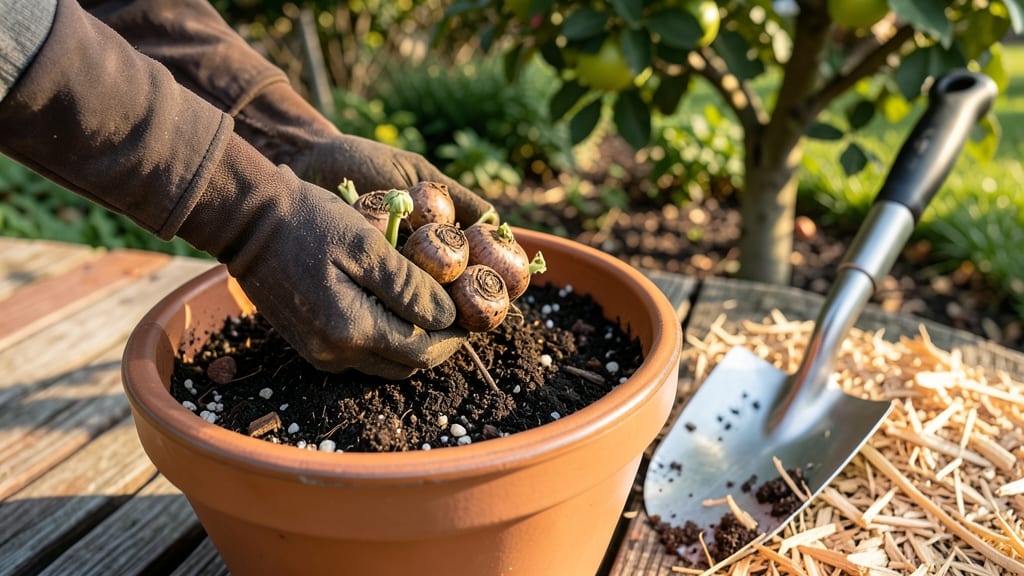
Planting dahlias in California isn’t one-size-fits-all—your timing depends on whether you’re in coastal fog zones or inland desert heat. Too early, and frost sneaks in; too late, and you’ll miss the June-October bloom bonanza.
Here’s the exact window to get your 🌸 tubers in the ground for showstopping results, tailored to your microclimate.
Coastal gardeners in USDA Zone 10 can start as early as March, while inland desert growers in Zone 9b should begin in February to beat the last frost.
The key? Soil temps above 55°F—cold soil stunts growth, no matter how eager you are. I’ll show you how to prep tubers and soil for each region’s quirks.
Most gardeners overlook the hardening-off step, which is critical in California’s variable spring weather. Skipping it means tender shoots get fried by inland heat waves or drowned in coastal downpours. I’ll walk you through the 3-step process to toughen up your dahlias before they hit the dirt.
Ready to grow dahlias that steal the show? By the end, you’ll know not just when to plant, but how to adjust for your specific corner of California—whether that’s foggy San Francisco or scorching Palm Springs. Let’s get those tubers in the ground the right way.
California dahlia planting calendar: coastal vs inland timing differences
California’s microclimates create dramatic differences in dahlia planting success. Coastal areas like San Francisco enjoy frost-free winters, while inland valleys (e.g., Sacramento) face occasional late-spring frosts. Timing your tuber planting to match your region’s last frost dates is critical for vibrant blooms.
For coastal California (USDA Zone 10), the ideal planting window stretches from mid-March to May. Inland desert regions (Zone 9b) can start as early as February, but avoid planting before February 15 to prevent frost damage. The key is soil temperature—wait until it reaches 60°F (15°C) consistently.
Here’s how to align your planting with California’s two distinct climates:
| Region | Last Frost Date | Ideal Planting Months | Soil Temp Requirement | Key Risk |
|---|---|---|---|---|
| Coastal (San Francisco, Santa Barbara) | None (Zone 10) | March–May | 60°F (15°C) | Coastal fog delays growth |
| Inland (Sacramento, Central Valley) | January 15 | February–April | 60°F (15°C) | Late frost (after March 1) |
| Desert (Palm Springs, Coachella) | None (Zone 11) | January–March | 55°F (13°C) | Intense summer heat |
If you’re in coastal California, aim to plant by April 15 to ensure blooms by July. Inland gardeners should finish planting by April 30 to avoid heat stress during summer. For desert regions, early planting (by February 28) lets dahlias establish roots before 100°F+ temperatures arrive.
Pro tip: Use UC Master Gardener frost maps to pinpoint your local last-frost date. For coastal areas, check San Francisco’s fog patterns—delay planting if persistent fog lingers past April 1, as it can stunt early growth.
For container gardening in cities like Los Angeles, you can plant 2 weeks earlier than ground planting. Containers warm up faster and reduce soil-borne diseases common in heavy clay soils. Just ensure pots have drainage holes to prevent tuber rot.
Remember: Dahlias thrive on consistency. Once planted, maintain even moisture and full sun (6+ hours daily) for the best blooms. Inland areas may need afternoon shade in summer to prevent heat scorch on leaves.
🌸
California dahlia planting calendar: coastal vs inland timing differences
California’s microclimates create dramatic differences in dahlia planting success. Coastal areas like San Francisco and Santa Barbara enjoy mild winters with no frost risk, while inland valleys like Sacramento and Bakersfield can experience late frosts until March 15.
Timing your planting to match your region’s last frost date is critical for tuber survival and vibrant blooms.
For coastal California, where winters are frost-free, you can start planting dahlia tubers as early as late February. Inland areas should wait until mid-March to avoid frost damage. The key is planting when soil temperatures reach 60°F (15°C), which typically occurs in April for most regions.
Use a soil thermometer to confirm readiness—dahlias thrive when roots can establish quickly in warm soil.
🌱 California Dahlia Planting Timeline
| Region | Ideal Planting Window | Soil Temp Requirement | Key Consideration |
|---|---|---|---|
| Coastal (SF, Santa Barbara) | Late February - Early April | 55°F+ (13°C+) | Frost-free; watch for coastal fog delays |
| Inland (Sacramento, Central Valley) | Mid-March - Mid-April | 60°F+ (15°C+) | Late frosts possible; wait for stable warmth |
| Desert (Palm Springs, Coachella) | February - Early March | 50°F+ (10°C+) | Early start; mulch heavily to retain moisture |
If you’re in a coastal fog zone, like Monterey Bay, delay planting until fog lifts in April. Coastal fog can keep soil temperatures too cool for tuber growth, leading to rot.
Inland gardeners should also monitor nighttime temperatures—dahlias struggle below 50°F (10°C). For a head start, chit your tubers indoors 4-6 weeks before planting to encourage early sprouting.
Pro tip: Use mulch immediately after planting to regulate soil temperature. Inland areas benefit from straw mulch to prevent rapid soil drying, while coastal gardens may need clear plastic mulch to warm the soil faster. Both methods help dahlias establish roots quickly, leading to earlier and more abundant blooms.
For container gardening, adjust your timeline by 2-3 weeks earlier than in-ground planting. Pots warm up faster in spring sun, giving dahlias a competitive edge. Just ensure containers have drainage holes—tuber rot is a common issue in California’s variable humidity.
Water containers morning-only to prevent fungal diseases like powdery mildew, which thrives in coastal fog.
Remember: Dahlias planted in April will bloom by June, while early February plantings in desert regions may flower as early as May. Plan your garden layout around your local timeline—taller varieties need 6+ feet of space, while dwarf types can thrive in containers or borders.
With the right timing, your dahlias will reward you with continuous blooms until first frost (or none at all in coastal zones!).