
Plants
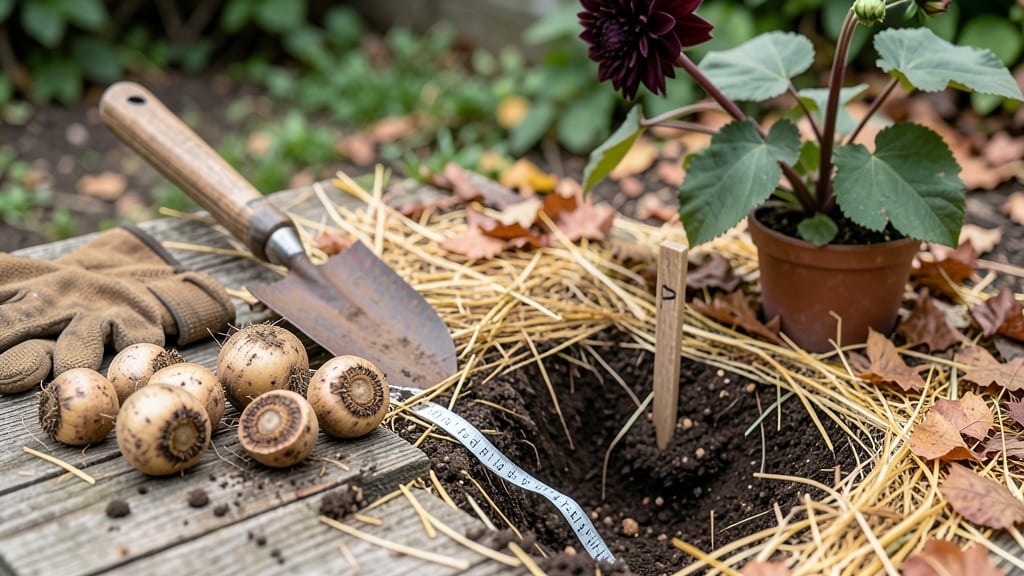
Planting dahlias in Vermont isn’t just about waiting for spring—it’s about timing the frost-date math to avoid bolted blooms and wasted tubers. With USDA Zone 5b frost lingering until mid-May, your window to plant is narrow, and getting it wrong means missing out on summer’s showstopping 🌼 displays.
Most gardeners make the mistake of rushing dahlias into cold soil, only to watch their progress stall or worse, succumb to late frosts. The key? Waiting until soil temperatures hit 60°F—typically late May to early June—when roots can establish without stress.
This isn’t just theory; it’s what separates a 5-minute planting job from weeks of frustration.
Here’s the game-changer: Vermont’s microclimates mean your neighbor’s perfect bloom time might not match yours. Whether you’re in a sheltered valley or a windy hillside, I’ll break down how to adjust your planting schedule for zero wasted tubers and maximum blooms from July to October.
Ready to turn your garden into a dahlia paradise? Let’s dive into the exact steps—plus the 3 critical mistakes Vermont growers repeat—and how to sidestep them for effortless, long-lasting color.
Vermont’s dahlias planting timeline: frost-date math for perfect blooms
Vermont’s USDA Zones 3-4 demand precision when planting dahlias—one wrong move and your showstopping blooms could bolt or freeze. The key? Mastering frost-date math and soil temperature thresholds to time your tubers or starts perfectly.
With 135 frost-free days on average, we’ll break down the exact window to avoid common pitfalls like early frost damage or overly leggy growth.
Most Vermont gardeners assume May 15 (average last frost) is the magic date, but microclimates shift that window by 1-2 weeks. For example, Chittenden County may be frost-free by May 10, while Windham County often waits until May 22.
We’ll show you how to adjust for your specific zone and soil warmth—because dahlias won’t thrive until the ground hits 60°F.
Dahlias planted too early (before soil warms) risk rotten tubers, while planting too late delays blooms until September’s first frost. The sweet spot? Mid-May to early June for tubers and late May to early June for starts. Let’s crunch the numbers so your dahlias burst into color by July 4th—Vermont’s unofficial garden holiday.
| Stage | Action | Vermont Timeline | Soil Temp Threshold | Microclimate Note |
|---|---|---|---|---|
| Prep Soil | Amend with compost; add bone meal | Early April | 45°F+ | Warmer south slopes ready sooner |
| Start Tubers Indoors | Chit tubers in pots; 60-65°F | Mid-April | N/A (indoor) | Extend season by 3-4 weeks |
| Last Frost Date | Monitor local forecasts | May 10-22 (varies) | N/A | Use VT Dept of Ag maps |
| Plant Tubers | 4-6" deep; 12-18" apart | Mid-May to early June | 60°F+ | Wait for 3 consecutive warm days |
| Plant Starts | Transplant after hardening off | Late May to early June | 55°F+ | Containers warm faster |
| First Blooms | Pinch back early flowers | July 1-15 | 70°F+ | South-facing beds bloom earliest |
| Peak Season | Deadhead regularly | July-August | 65-75°F | Mulch to retain heat |
| First Frost | Cut back stems; dig tubers | September 20 (avg) | N/A | High-elevation areas frost earlier |
Let’s start with the soil temperature rule: Dahlias won’t sprout until the ground reaches 60°F. Use a soil thermometer (available at Vermont Garden Centers) to confirm readiness.
In northern Vermont, this often means waiting until late May, while southern regions like Bennington may hit 60°F by mid-May. Pro tip: Black plastic mulch warms soil 5-7°F faster, shaving critical days off your timeline.
For tubers, the window is mid-May to early June. Plant them 4-6 inches deep—deeper in sandy soil (to retain moisture) and shallower in clay (to prevent rot). Space
Vermont’s dahlias planting timeline: frost-date math for perfect blooms
Vermont’s USDA Zone 5b climate means frost dates are your best friend when planting dahlias. The average last frost hits around May 15, but microclimates in the Green Mountains or Champlain Valley can shift this by 1-2 weeks.
To avoid frost damage to tender tubers, wait until soil temperatures hit 60°F—usually mid-to-late May—before planting.
Dahlias thrive with 90-120 frost-free days, so aim for mid-May to early June planting. Starting tubers indoors 4-6 weeks before your target date gives them a head start.
For container-grown dahlias, you can push planting to late May since pots warm faster and can be moved indoors if needed.
| Stage | Action | Vermont Timing |
|---|---|---|
| Indoor Start (Tubers) | Soak tubers 12 hours, plant 4" deep in pots | Early April (4-6 weeks before last frost) |
| Hardening Off | Acclimate to outdoor temps (5-7 days) | Late April |
| Outdoor Planting | Plant tubers 4-6" deep, 12-18" apart | Mid-May to early June (after last frost) |
| First Blooms | Expect flowers 60-90 days after planting | Late July |
For direct-sown seeds, Vermont’s short season makes this tricky. Start seeds indoors 8-10 weeks before your last frost (early March) and transplant after June 1.
Seeds germinate best at 70-75°F, so use a heat mat if needed. Cold-hardy varieties like ‘Café au Lait’ or ‘Bishop’ tolerate cooler soils better, giving you a 2-week earlier planting window.
Check soil temperature with a thermometer—below 55°F slows growth dramatically. If your garden runs cold (common in northern VT), opt for black plastic mulch to warm soil 5-10°F faster. Pair this with straw mulch after planting to retain moisture and insulate roots.
Pro tip: Use Vermont’s frost-free day calculator (like the one from UVM Extension) to adjust for your specific town. For example, Burlington’s last frost averages May 22, while St. Johnsbury’s can be June 1. Planting 2 weeks later in cooler zones prevents frost nip on emerging shoots.
Once planted, dahlias need 6+ hours of sun daily—choose a south-facing spot with afternoon shade if your summers get hotter than 85°F. Water at the base (not leaves) to prevent powdery mildew, a common Vermont issue with high humidity.