
Plants
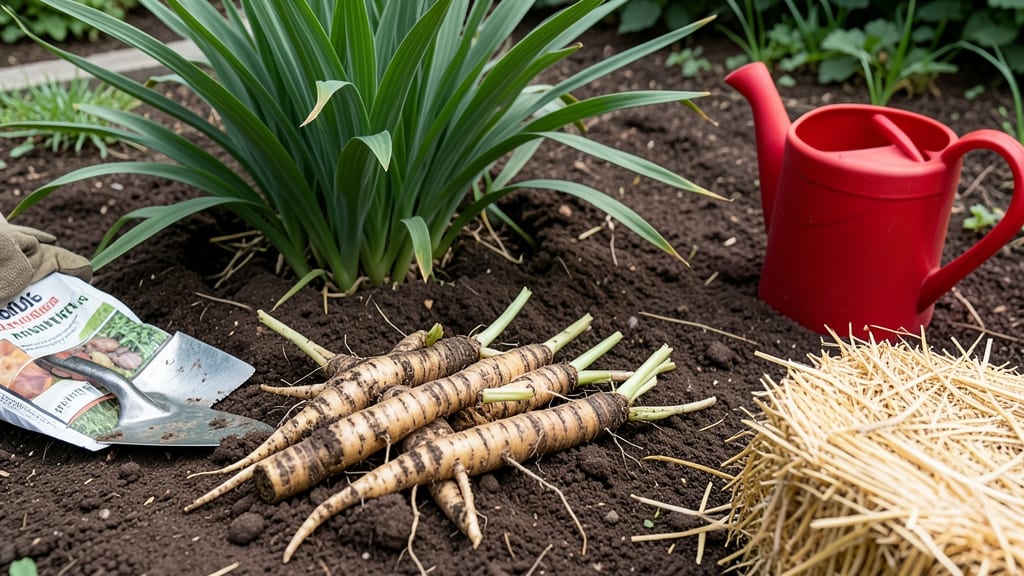
Planting daylily bulbs at the wrong time in Zone 9 can turn your dream garden into a sad, wilted mess—especially when summer heat is already lurking.
The secret to vibrant, year-round blooms lies in timing these hardy perennials just right, so they establish strong roots before the real heat kicks in.
I’ve learned the hard way that Zone 9’s fall and early spring windows are your golden opportunities—when soil temps are cool enough for rhizomes to settle in without stress.
Whether you’re in Southern California’s coastal breeze or Arizona’s desert sun, the key is getting them in the ground before the mercury climbs too high.
What most gardeners miss is how microclimates change the rules. A shady spot in Las Vegas might work for spring planting, while inland areas need to wait until November to avoid scorching.
Let me show you exactly when—and how—to plant for maximum blooms, no matter where in Zone 9 you live.
Ready to skip the guesswork? You’ll walk away with a heat-proof schedule, soil prep tips, and pro tricks to keep your 🌸 thriving even when temps soar. Let’s get those daylilies growing the right way!
Best planting times for daylilies in Zone 9’s hot climate
Daylilies are one of my favorite perennial flowers for Zone 9 gardens because they handle heat beautifully—but timing matters. Planting at the wrong time can lead to heat stress or missed blooms. The key is understanding soil temperature thresholds and microclimate variations across Southern California, Florida, and Texas.
Unlike cooler zones, Zone 9’s long growing season means you can plant daylilies in two ideal windows: fall or early spring. Fall planting (October-November) gives roots time to establish before summer heat, while spring planting (February-March) avoids winter dormancy. Let’s break down the best times for each region.
| Region | Best Planting Months | Soil Temp Threshold | Microclimate Tip |
|---|---|---|---|
| Southern California | October-November or February-March | 55-65°F (13-18°C) | Coastal areas: plant in partial shade to avoid salt spray |
| Florida | September-October or January-February | 60-70°F (16-21°C) | Humid climates: use raised beds for drainage |
| Texas (Inland) | November-December or February | 50-60°F (10-16°C) | Desert areas: mulch heavily to retain moisture |
For Southern California, aim for October-November when daytime temps drop below 80°F (27°C). This gives roots time to establish before summer’s intense heat. If you miss fall, February-March is your next window—just ensure soil temps are above 55°F (13°C) to avoid cold stress.
In Florida’s humid climate, the best time is September-October or January-February. Humidity can cause fungal issues, so plant in well-draining soil and avoid overhead watering. January-February works well for coastal areas where winter temps rarely drop below 50°F (10°C).
Texas gardeners should focus on November-December or February. Inland areas like Austin or San Antonio experience hotter summers, so fall planting ensures roots establish before 100°F (38°C) heat waves. Use 3-4 inches of mulch to protect rhizomes from extreme temps.
One of my favorite tricks for year-round blooms is staggered planting. Plant a few rhizomes in fall and others in early spring to extend the flowering season. This works especially well in Southern California’s Mediterranean climate, where mild winters allow for winter blooms.
Before planting, always check soil temperature with a thermometer. Daylilies prefer soil between 55-75°F (13-24°C). If your soil is too hot, wait a few weeks or plant in partial shade until temps cool. Overheated soil can cause rhizomes to rot before they establish.
For coastal Zone 9 (like San Diego or Miami), consider partial shade in summer to protect blooms from intense afternoon sun. Inland areas (like Phoenix or Dallas) can handle full sun with proper watering. Always water deeply once a week during establishment to encourage strong root growth.
Pro tip: If you’re planting in summer (June-August), choose heat-tolerant varieties like 'Stella de Oro' or 'Happy Returns'. These varieties handle 90°F+ (32°C+) temps better than traditional types. Just be prepared for less vigorous blooms until roots adjust.
Remember, daylilies are rhizomes, not bulbs—plant them 1-2 inches deep with the neck slightly above soil. Space them 12-18 inches apart for mature size. With the right timing and care, your daylilies will reward you with continuous blooms from spring through fall—even in Zone 9’s heat! 🌸
Best planting times for daylilies in Zone 9’s hot climate
Zone 9’s warm winters and hot summers create a unique challenge for daylily planting—timing is everything. Unlike cooler zones, you can plant daylilies in two ideal windows: late fall (October–November) or early spring (February–March). This schedule avoids peak summer heat, which can stress newly planted rhizomes.
For Southern California and desert regions, aim for October planting when soil temps drop below 80°F. In Florida’s humid climate, late fall planting (November) prevents fungal risks. Spring planting (February–March) works well for inland areas like Phoenix or Las Vegas, where winters are mild.
| Month | Soil Temp | Best For | Notes |
|---|---|---|---|
| October | 60–75°F | Southern CA, AZ | Avoids summer heat |
| November | 55–70°F | Florida, Texas | Reduces fungal risk |
| February | 50–65°F | Inland deserts | Spring blooms guaranteed |
| March | 60–75°F | Coastal areas | Avoids summer drought |
Zone 9’s microclimates matter—coastal areas like San Diego can plant later (March) due to milder winters, while Phoenix should plant in November to escape summer’s 110°F+ temps. Always check your last frost date (typically January 15 in Zone 9) to avoid late-season cold snaps.
For year-round blooms, stagger plantings: October + February. This ensures continuous color, as daylilies planted in fall bloom in spring, while spring-planted varieties flower in summer. Heat-tolerant varieties like ‘Stella de Oro’ thrive in this schedule, while delicate types may need afternoon shade.
Pro tip: Test soil temps with a thermometer—ideal planting temps are 55–75°F. If soil is too hot (>80°F), wait or use shade cloth to protect new rhizomes until temps drop. This simple step prevents root rot and ensures vigorous growth.
Once planted, mulch heavily (3–4 inches) with straw or wood chips to retain moisture and regulate soil temps. This is critical in Zone 9’s intense heat, where mulch can reduce water needs by 30% while keeping roots cool.