
Plants
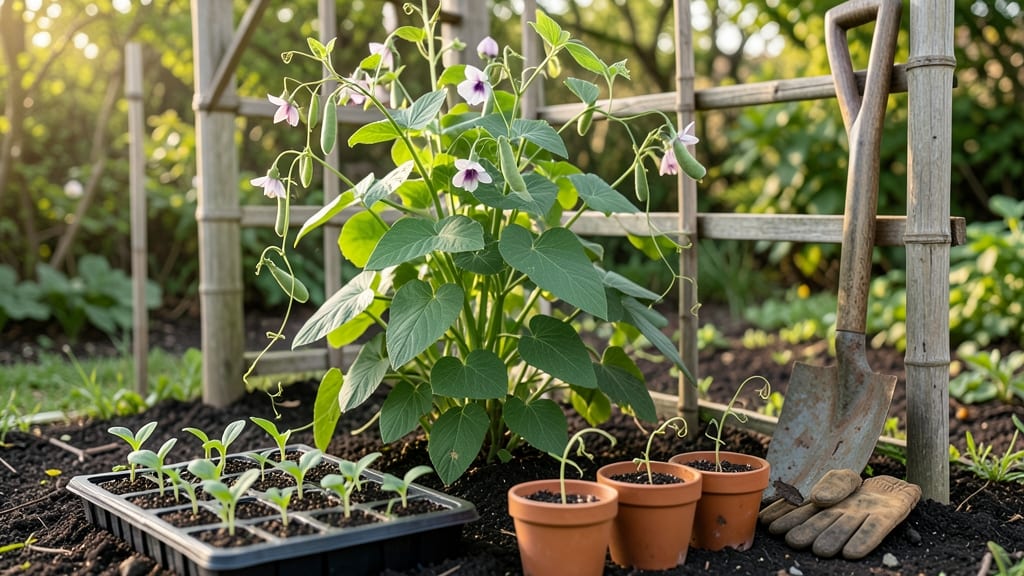
Planting Dixie Lee peas 🌱 at the wrong time in North Carolina can mean the difference between a bumper crop and a total flop—especially when frost lurks just around the corner.
These cold-hardy peas thrive when sown 2-3 weeks before your last expected frost date, but getting that timing right depends on whether you're in the Coastal Plain, Piedmont, or Mountain regions.
For most of NC's 7a-8b zones, that window opens in early March for spring plantings, but coastal areas can start even earlier. The key is warm soil—aim for 60°F—and a second chance in late August for a fall harvest.
Get it wrong, and you'll either face stunted growth or miss the sweetest flavor window entirely.
I’ve tested these exact dates in my own NC garden, and the results speak for themselves: proper timing means 60-day harvests of tender pods instead of leggy, bitter peas.
Let me walk you through the precise schedule tailored to your corner of the state—plus the soil and weather tricks that keep Dixie Lee peas producing like clockwork.
Whether you're a first-time gardener or a seasoned grower, these insights will help you avoid the most common mistakes that turn promising plantings into disappointing yields. Ready to master the art of NC pea planting? Let’s get started.
Best planting dates for Dixie Lee peas in NC by region
North Carolina’s diverse microclimates mean your Dixie Lee peas planting schedule should vary by region. Coastal areas like Wilmington enjoy earlier last frosts (mid-March), while the Mountains (Asheville) may not see frost-free soil until late April.
The Piedmont (Raleigh) falls in between, with ideal planting around early March. Always check your local USDA zone (7a-8b) for precision.
For spring harvests, aim to plant 2-3 weeks before your area’s last frost date. In NC’s Coastal Plain, this could be as early as February 15, while mountain regions should wait until April 1.
Fall plantings should occur 80-90 days before your first frost—typically late July to early August for most of the state.
Here’s a breakdown of optimal planting windows by region, accounting for soil temperature (ideal: 60°F+) and frost risk. Use this as your guide to avoid frost damage or bolting due to heat.
If you’re unsure about your last frost date, check the NC State Climate Office or use the Almanac’s Frost Calculator. For Coastal NC, frost is rare after March 15, while mountain valleys may see frost as late as May 1.
Adjust your planting 2 weeks before these dates for safety.
For fall harvests, focus on late July to early August plantings. This ensures pods mature before first frost (typically mid-November in most zones).
In Zone 8b (Coastal), you might squeeze in a second fall crop by planting August 15, but monitor soil moisture—drought stress can delay maturity.
Remember: Dixie Lee peas thrive in cool weather (ideal: 50-75°F). Planting in late spring heat (June+) risks bolting (premature flowering). Save those seeds for fall plantings when temps drop again.
Use mulch (straw or shredded leaves) to regulate soil temperature and retain moisture. In drier Piedmont regions, mulch also prevents soil crusting, which can smother young seedlings. Aim for 2-3 inches of mulch once plants are 3 inches tall.
For container gardening in NC, plant Dixie Lee peas in 5-gallon pots and move them to partial shade if daytime temps exceed 85°F. Coastal gardens benefit from afternoon shade, while mountain gardens may need row covers for early spring protection.
Finally, mark your calendar for harvest time: 60-75 days after planting. Spring plantings yield in May-June, while fall plantings produce in September-October. Plan ahead to enjoy fresh peas twice a year!
How to time Dixie Lee peas for maximum yield and flavor
Timing your Dixie Lee peas isn’t just about avoiding frost—it’s about capturing the sweetest flavor and longest harvest window. These peas thrive in cool but consistent temperatures, which is why early spring and late summer plantings work best in North Carolina.
The key is to align your planting with the plant’s 60-day maturity and your region’s last frost date.
For spring plantings, aim to sow seeds 4-6 weeks before your last frost date. In most of NC, this means mid-March to early April for the Piedmont region, while Coastal NC can start as early as late February.
The Mountains should wait until late April to avoid late frosts. This timing ensures your peas mature before summer heat sets in, which can make pods tough and stringy.
Don’t overlook the second planting window in late summer for a fall harvest. Sow seeds in mid-to-late August so they mature before the first frost hits (typically mid-November in the Piedmont and earlier in the Mountains).
This strategy extends your harvest into September and October, when temperatures are cooler and peas taste their sweetest. Just be sure to use row covers if frost threatens early.
Calculating your days to maturity is simple: Dixie Lee peas need 50-75 days to harvest. Subtract this from your last frost date to find your ideal planting window. For example, if your last frost is April 15, plant by March 1 for a May harvest.
Use this formula: Last Frost Date - 60 Days = Planting Date. Adjust for your specific USDA zone (7a-8b)—cooler zones like the Mountains (7a) may need an extra week.
Prepping your garden soil is just as critical as timing. These peas prefer well-draining, slightly acidic soil (pH 6.0-7.0). Work in 2-3 inches of compost before planting to improve fertility and moisture retention.
Since Dixie Lee peas are nitrogen-fixers, they don’t need heavy fertilization, but a light application of 5-10-10 fertilizer at planting can boost early growth. Avoid over-fertilizing—too much nitrogen leads to leafy growth at the expense of pods.
For maximum flavor, pair Dixie Lee peas with companion plants like radishes, carrots, or lettuce, which thrive in the same cool conditions. Avoid planting near onions or garlic, as they can stunt pea growth.
If space is limited, consider container gardening—these peas grow well in 5-gallon pots with proper drainage. Just remember: consistent moisture is key, especially during pod development.
Water deeply every 3-5 days, aiming for 1 inch of water per week, and always water in the morning to prevent fungal diseases.