
Plants
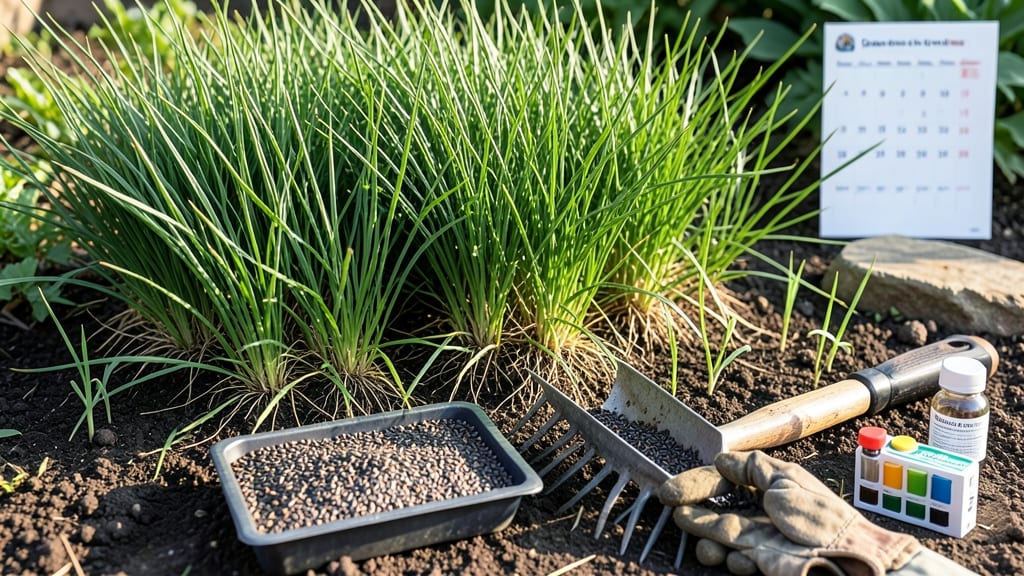
Planting your 🌱 Grass (Turfgrass) at the wrong time in North Carolina can mean the difference between a lush, green lawn and patchy disappointment—so timing isn’t just important, it’s everything.
With 6a-8b zones across the state, the "best" window shifts dramatically between coastal areas and the mountains, making spring vs. fall planting a real balancing act.
Most gardeners assume late spring is the only safe bet, but in North Carolina’s unpredictable climate, that approach often backfires. The truth? Fall planting actually gives your grass a 6-week head start before winter, while spring planting requires precise timing after the last frost—both with critical deadlines you can’t miss.
I’ve spent years testing the ideal windows in NC’s diverse regions, and what works in Raleigh won’t cut it in Asheville.
Whether you’re dealing with humid coastal summers or mountain frost risks, this guide breaks down exactly when to plant for maximum success—and how to avoid the common mistakes that ruin lawns before they even take root.
Ready to stop guessing and start growing? Let’s dive into the zone-by-zone timeline that’ll give you the thickest, healthiest grass possible—no matter where you live in North Carolina.
North Carolina grass planting timeline: spring vs. fall by climate zone
North Carolina’s diverse climate zones (from 6a in the mountains to 8b along the coast) create wildly different conditions for grass planting. While most gardeners default to spring, fall planting often yields thicker, faster results—but only if you time it right.
The key? Soil temperatures above 55°F (13°C) and 4-6 weeks before frost.
For coastal areas (Zone 8a-8b), the window stretches from late March through May in spring and August through October in fall. Meanwhile, mountain regions (Zone 6a-7a) must plant after April 15 in spring and before October 15 in fall to avoid frost damage.
Even within these zones, urban heat islands can shift deadlines by 2-3 weeks.
Let’s break down the zone-by-zone planting calendar with soil temperature thresholds, rainfall patterns, and microclimate adjustments to help you pick the perfect window for your lawn.
Notice how mountain zones have the tightest windows? That’s because late spring frosts can still hit after April 15, while coastal areas benefit from longer warm seasons. Even within these zones, elevation changes of just 500 feet can shift your ideal planting date by 1-2 weeks.
For example, if you live in Asheville (Zone 7a), aim for April 22-May 15 in spring or September 1-15 in fall. But if you’re just 30 miles east in Hendersonville (Zone 7b), you might push spring planting to May 1-15 to avoid late frost risks.
Pro tip: Use a soil thermometer to confirm temperatures—don’t rely on air temps alone. 60°F (16°C) soil is ideal for cool-season grasses like tall fescue, while warm-season grasses like Bermuda need 70°F+ (21°C+). Planting too early when soil is cold leads to slow germination and weed competition.
Here’s another critical factor: rainfall patterns. Coastal NC gets 40% more rain in spring than inland areas, which can drown seeds if not planted on dry, sunny days. Meanwhile, Piedmont regions often face summer droughts, making fall planting the safer bet for consistent moisture.
Let’s say you’re in Raleigh (Zone 7b) and debating spring vs. fall. Fall planting gives you 6 weeks of root growth before winter, while spring planting risks summer heat stress if seeded too late. The sweet spot? Late August for fall—when soil stays warm but humidity drops slightly.
For warm-season grasses like Zoysia or Centipede, the rules flip: Plant in late spring (May-June) when soil hits 70°F+ (21°C+). These grasses go dormant in winter, so fall planting is a waste of
Critical factors that determine success: soil, weather, and grass type
North Carolina’s unpredictable spring rains and humidity swings can turn a perfect planting day into a muddy mess overnight. That’s why I always check three key factors before breaking open my seed bag: soil temperature, moisture levels, and grass seed type.
Skip these, and you’ll end up with patchy growth or wasted seed.
For cool-season grasses like tall fescue and Kentucky bluegrass (the most common in NC), your soil needs to stay between 55°F and 75°F for at least 4-6 weeks after planting.
Use a soil thermometer—don’t guess! Warm-season grasses like Bermuda or Zoysia? Wait until the ground hits 65°F+ and stays there.
Here’s the visual breakdown of what to prioritize based on your zone and grass type:
Pro tip: If your soil feels too cold in spring (below 55°F), wait—even if the calendar says “spring.” I’ve seen seed rot from planting too early in the Piedmont region because the ground stayed chilly longer than expected. A 30-second soil check with your finger can save hours of frustration.
Don’t overlook rainfall patterns either. Coastal NC gets heavy downpours in spring, while the mountains can dry out fast. I always set up a rain gauge to track moisture—if you’re getting 2+ inches in 24 hours, delay planting until the ground dries enough to work without turning to mud.
Finally, match your grass seed variety to your zone. Tall fescue dominates in NC because it thrives in both shade and heat, but Bermuda grass needs full sun and struggles in the mountains.
Check your seed bag’s USDA zone recommendations—skipping this step is like planting tomatoes in Alaska.
With these factors nailed down, you’ll avoid the #1 mistake I see: planting at the “right” time but ignoring the hidden variables that turn good intentions into a failed lawn. Next, we’ll tackle the common pitfalls that even experienced NC gardeners fall for—trust me, you don’t want to miss this.