
Plants
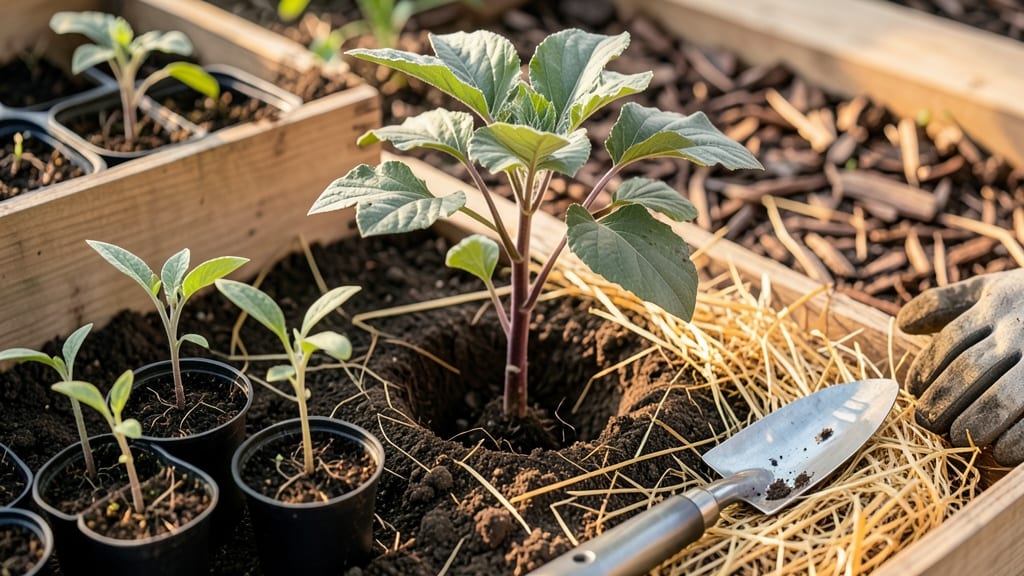
Timing your eggplant 🍆 planting in California isn't just about the calendar—it's about catching that perfect soil temperature window. Plant too early, and your transplants will shiver in cold soil; too late, and you'll miss the sweet spot for a bumper harvest before summer heat sets in.
Here's the secret: eggplants crave soil that's warmed to at least 70°F—coastal gardeners can start as early as mid-February, while inland growers should wait until March or April. That 10°F difference between zones makes all the difference in getting your plants off to a strong start.
I've seen firsthand how a few degrees can turn a struggling transplant into a thriving plant.
Whether you're in USDA zone 9b or 10a along the coast, or dealing with inland heat, this guide will help you pinpoint exactly when to get those young plants in the ground for maximum success.
Let's break down the exact soil temperature tricks, regional planting windows, and pro tips to ensure your eggplants grow big, bold, and ready for harvest by summer's end. You'll learn how to read your soil, choose the right varieties for your microclimate, and keep your plants happy all season long.
California eggplant planting calendar by region: soil temp zones explained
California’s three distinct growing zones—coastal, Central Valley, and desert—create wildly different eggplant planting windows. Coastal areas (like San Francisco) enjoy mild winters and can start as early as mid-February, while inland desert regions (like Palm Springs) wait until March or April to avoid heat stress.
The key? Soil temperature must reach 60°F+ before transplanting.
Eggplants thrive in USDA zones 8a-11, but timing varies dramatically. Coastal zone 10a gardeners can plant February-May, while desert zone 11 areas focus on spring and fall plantings. Central Valley (zone 9b) falls in between, with ideal windows from March to early June.
Always check your local last frost date—though coastal areas rarely see frost, inland valleys can experience light freezes.
Here’s how to match your region to the perfect planting window:
| Region | USDA Zone | Planting Window | Soil Temp Ready | Harvest Window |
|---|---|---|---|---|
| Coastal (San Francisco, LA) | 10a | Mid-February to early May | 60°F+ (no frost risk) | June to October |
| Central Valley (Sacramento, Fresno) | 9b | March to early June | 70°F+ (after last frost) | June to November |
| Desert (Palm Springs, Coachella) | 11 | March–April & September–October | 75°F+ (avoid summer heat) | May–June & October–November |
For coastal gardeners, focus on early spring plantings to avoid summer heat. Central Valley growers should aim for March-April to align with soil warming and longer daylight. Desert regions must use fall plantings to escape extreme summer temperatures—eggplants hate soil temps above 85°F.
Pro tip: Use black plastic mulch to warm soil faster in cooler zones.
Eggplants need 75-85°F soil to thrive, but they’ll bolt (flower prematurely) if stressed by heat. In Southern California, plan for two plantings: one in spring and another in early fall.
Coastal areas can stretch harvests by planting every 2-3 weeks from February to May. Always harden off seedlings for 7-10 days before transplanting to prevent shock.
Watch for weed sprouts—they’re a sign your soil is warm enough. If weeds pop up in February, your eggplant seedlings are ready! Central Valley gardeners should wait until March 15+ when nighttime temps stay above 50°F.
Desert growers? Start seeds indoors in February for a March transplant to beat the summer heat.
Never plant eggplants when soil temps drop below 60°F—they’ll rot. Use a soil thermometer (insert 2 inches deep) to confirm readiness. Coastal gardeners can push limits slightly due to milder nights, but inland areas must wait for consistent warmth.
If your region has unpredictable frosts (like the Central Valley), opt for row covers or greenhouses for early starts.
For maximum yields, align planting with California’s rainy season. Coastal areas get moisture through January-March, while inland valleys rely on February-May showers. Supplement with drip irrigation to maintain consistent moisture—eggplants hate dry spells but also despise soggy roots.
Mulch with straw or wood chips to retain moisture and regulate soil temp.
Pro move: Test your soil pH before planting—eggplants prefer 6.0-6.8. Amend with compost or lime if needed. Central Coast soils often need phosphorus boosts for root growth, while desert soils may lack organic matter.
Always water deeply at the base (not leaves) to prevent fungal diseases like powdery mildew, common in California’s humid summers.
Timing isn’t just about months—it’s about microclimates. A San Francisco backyard might be ready in February, while a Sacramento urban garden waits until mid-April.
Use these regional guides as a starting point, then adjust based on your specific location’s frost history. Happy planting—your glossy eggplants will thank you! 🌱
How to test soil temperature for eggplant success (DIY guide)
Eggplants are heat-lovers, and soil temperature is your secret weapon for success. Unlike cooler crops, eggplant roots thrive in warm soil—ideally between 60°F and 85°F. Planting too soon in chilly soil stunts growth and invites disease. Here’s how to check if your soil is ready.
First, grab a soil thermometer (digital or analog) from your local garden center. These cost under $10 and are a game-changer. Insert the probe 2-3 inches deep—this mimics root-zone depth—especially in the morning when temps are most stable. Wait 30 seconds for an accurate reading.
🌱
Test soil on a cloudy day or in the early morning (before 10 AM). Sunlight can skew readings by 10°F or more.
Take readings in 3-4 locations—soil can vary even in small gardens. Average the results for accuracy.
If weeds are sprouting or the soil feels warm to your touch, it’s likely ready. Eggplants also thrive when nighttime temps stay above 55°F.
If your soil is below 60°F, speed up warming with black plastic mulch (lays 2-3 weeks before planting) or row covers during cool nights.
Transplant eggplants when soil hits 70°F consistently. Coastal areas often hit this by late March to April, while inland zones may wait until May.
Cold soil isn’t just about sluggish growth—it invites fungal diseases like damping-off, which can kill young seedlings overnight. If your soil is stubbornly cool, try warming it with compost (spread a 2-inch layer 1-2 weeks before planting) or use clear plastic tunnels to trap heat.
Pro tip: In Southern California’s desert regions, soil can overheat above 90°F—eggplants tolerate this but may need shade cloth during peak afternoon sun. Always monitor both air and soil temps for balanced conditions.
☀️