
Plants
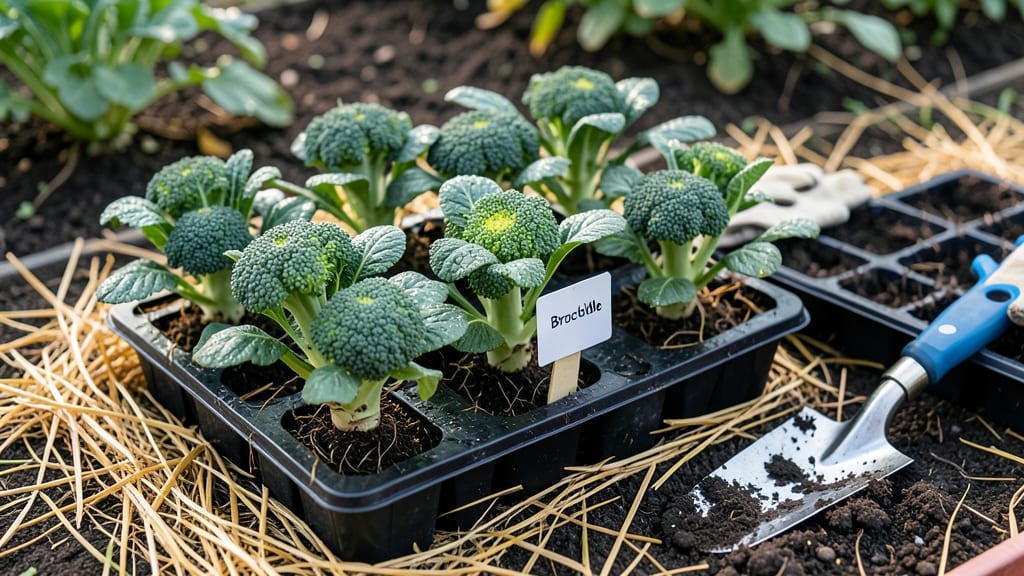
Planting fall crops in Zone 6 isn't just about throwing seeds into the soil—it's about working with Mother Nature's schedule to get a reliable harvest before the first frost hits. With just 4-6 weeks before your first frost date, timing is critical to avoid disappointed gardeners staring at frozen seedlings.
I've learned the hard way that rushing or waiting too long can mean the difference between a bumper crop of kale and a sad, wilted mess.
This year, you can skip the guesswork and use the exact planting windows that actually work for Zone 6's 6a-6b climate. Whether you're growing leafy greens like spinach or root vegetables like carrots, knowing when to plant gives you the best shot at a productive fall garden.
Let me walk you through the precise timing, soil prep tips, and even how to adjust for those tricky early frosts that can sneak up on us.
What if you're still not sure which crops to choose? No problem—I'll cover the top cold-hardy varieties that thrive in Zone 6's cooler temperatures. Plus, we'll tackle common mistakes that waste time and effort, so you can focus on what really matters: enjoying that first crisp bite of homegrown harvest.
Ready to get started?
By the end, you'll have a clear plan that accounts for your local microclimate and ensures your fall crops grow strong and healthy. Let's make this your most successful gardening season yet!
Fall planting timeline in Zone 6: exact weeks before first frost by crop type
Fall gardening in Zone 6 thrives on precision—plant too early, and your crops bolt; too late, and frost kills them before harvest. The key is timing: aim for 4-6 weeks before your first frost, typically mid-September in most of Zone 6.
For example, if your average first frost is October 15, plant leafy greens by early September to enjoy harvests through November.
Your last frost date (usually May 15) and frost-free days (about 165 days) create a 100-120 day growing window for fall crops. This window is your guide: shorter-season crops like radishes (30 days) need early starts, while kale (60+ days) can wait until late August.
Here’s how to align your planting with Zone 6’s frost timeline for reliable harvests:
| Crop Type | Planting Window (Zone 6) | Days to Harvest | Notes |
|---|---|---|---|
| Leafy Greens (Lettuce, Spinach, Kale) | Late July to early September | 30–60 days | Start early for bolting-resistant varieties like Winterbor kale. |
| Root Vegetables (Carrots, Beets, Radishes) | Early August to mid-September | 45–70 days | Loosen soil to prevent forking; harvest before hard frost. |
| Brassicas (Broccoli, Cabbage, Brussels Sprouts) | Mid-August to early September | 60–90 days | Choose cold-hardy varieties like Waltham broccoli. |
| Herbs (Parsley, Cilantro, Dill) | Late July to mid-September | 45–75 days | Cilantro bolts fast; harvest leaves early. |
| Alliums (Onions, Garlic, Leeks) | Mid-August to early October | 90–120 days | Plant hardneck garlic in fall for next year’s harvest. |
For Zone 6 gardeners, late summer prep is just as critical as planting dates. Start by testing your soil’s pH (6.0–7.0 ideal) and amending with compost or aged manure to boost nutrients.
Remove summer crops and add a 2-inch layer of mulch to retain soil warmth and moisture—critical for early fall plantings.
Succession planting is your secret weapon in Zone 6. For example, sow radishes every 2 weeks from August to September for staggered harvests. This ensures you’re always pulling fresh produce while avoiding glut. Pair fast growers like baby carrots (30 days) with slower kale (60+ days) to maximize space.
Don’t overlook microgreens and sprouts—they’re perfect for late-season planting. These can be grown indoors near a sunny window or under grow lights if frost arrives early. Even a 6-inch pot on your kitchen counter yields enough for salads in 7–14 days.
Protect tender crops with row covers or cold frames to extend your harvest window. These tools can push your last harvests into December by trapping heat and shielding plants from light frosts (28°F). Just remember to remove covers during the day to prevent overheating.
Track your local frost dates using resources like the National Weather Service or apps like Farmers’ Almanac. In Zone 6, frost can arrive 2–3 weeks earlier in high-altitude areas or 1–2 weeks later in urban heat islands. Adjust your planting window accordingly to avoid disappointment.
Finally, prioritize cold-hardy varieties over heat-loving ones. Swap tomatoes for spinach, peppers for kale, and cucumbers for carrots. These crops not only survive cooler temps but often taste sweeter after frost.
How to adjust planting dates based on your Zone 6 microclimate
Zone 6’s 100-120 frost-free days create a tight window for fall crops, but your exact location can shift that timeline by 2-4 weeks. Urban areas with heat islands may need earlier plantings, while high-altitude spots could delay frost by 10-14 days.
Even a 50-foot elevation change can alter your first frost date by 3-5 days, making local adjustments critical.
Start by checking your last spring frost date (typically May 15 in Zone 6) and count backward 165 days to estimate your first frost.
Use the USDA Plant Hardiness Zone Map to confirm your exact sub-zone (6a or 6b), as 6a areas freeze 2-3 days earlier than 6b. For precision, plug your zip code into tools like the Old Farmer’s Almanac or Almanac’s Frost Calculator—these account for regional microclimates.
🌡️ Soil thermometers are your best friend for fine-tuning. Most fall crops thrive when soil temps drop to 60-70°F. If your soil stays above 75°F in late August, opt for heat-tolerant varieties like Malabar spinach or Swiss chard.
For cooler microclimates near lakes or valleys, you can push plantings 1-2 weeks later than the general guideline.
- Urban Heat Islands: Plant 2-3 weeks earlier (late July) for crops like kale or carrots to avoid summer heat stress.
- High Altitude (>2,000 ft): Delay plantings by 1-2 weeks (early September) due to cooler temps.
- Early Frost Zones: Use row covers or choose fast-maturing varieties (e.g., 30-day radishes).
- Late Frost Zones: Extend harvests with cold frames or plant hardy greens like winter spinach.
- Wind Exposure: Protect seedlings with windbreaks or plant near fences to avoid transplant shock.
Succession planting is key for extending harvests. For leafy greens (e.g., lettuce, spinach), sow every 2 weeks from mid-August to early September. Root crops like carrots or beets benefit from two plantings: one in late July and another in mid-August.
This staggered approach ensures a continuous harvest before hard frosts.
Monitor local weather patterns in September. If forecasts predict an early frost, prioritize cold-hardy crops like kale (25°F tolerance) or garlic (15°F tolerance). For sensitive crops like broccoli, use black plastic mulch to warm soil and delay planting until early September.
Don’t forget to test your soil’s pH in late summer. Fall crops prefer 6.0-7.0 pH. Amend with lime (to raise pH) or sulfur (to lower pH) 4-6 weeks before planting. A soil test kit costs $20 and saves you from wasted effort on unbalanced soil.
With these microclimate tweaks, you’ll turn Zone 6’s short growing season into a productive fall harvest. Start with one test crop (like spinach) in your specific spot to gauge your local conditions—then scale up! 🌱