
Plants
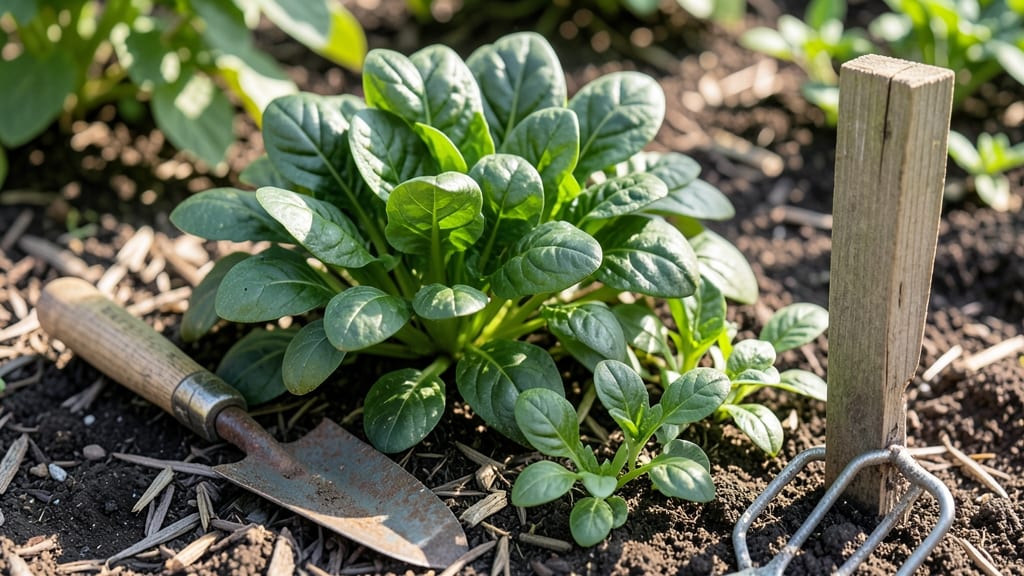
Knowing when to plant fall spinach in Zone 6 is the secret to harvesting crisp, homegrown 🥬 instead of bitter, bolted disappointment. Most gardeners miss the sweet spot because they focus on calendar dates instead of frost calculations—here’s how to nail it.
In Zone 6, your 4-week planting window starts 4-6 weeks before your first frost, typically landing in early to mid-September. This timing lets spinach mature before winter sets in, giving you tender greens through late fall.
The key? Planting too early risks bolting (when spinach goes to seed), while waiting too late means stunted growth.
I’ll walk you through exactly how to calculate your ideal dates, which cold-hardy varieties thrive in Zone 6, and the simple care tricks to keep your spinach lush until harvest. No guesswork—just a foolproof plan for a steady supply of homegrown greens.
Ready to skip the store-bought disappointment? Let’s get your spinach in the ground at the perfect moment for a harvest that lasts.
Zone 6 fall spinach planting calendar: exact dates for zero-frost success
Timing is everything when growing fall spinach in Zone 6. Plant too early, and you risk bolting (flowering) before frost. Too late, and your harvest shrinks before winter sets in. The 4-week window between mid-August and early September is your sweet spot for crisp, frost-tolerant greens.
For Zone 6, aim to plant 6 weeks before your average first frost (typically mid-November). This gives spinach 30–45 days to mature before cold snaps. Use your local frost date calculator to adjust—some years, frost arrives earlier or later.
Cold-hardy varieties like 'Winter Giant' or 'Bloomsdale Long Standing' thrive in 25–30°F temperatures. These varieties can survive light frosts, but soil temperatures below 40°F slow germination. Test soil with a thermometer—ideal planting temps are 50–70°F.
Direct sowing is best for fall spinach. Transplants struggle to establish roots in cool soil. Space seeds 1–2 inches apart in rows 12 inches apart. Thin seedlings to 4–6 inches apart once they’re 2–3 inches tall to prevent competition.
| Planting Window (Zone 6) | Last Harvest Before Frost | Days to Maturity (Variety-Specific) | Soil Temp Requirement (°F) | Key Success Factors |
|---|---|---|---|---|
| Mid-August to Early September | October 15 – November 1 | 30–45 days (fast varieties) | 50–70°F (ideal germination) | Cold-hardy seeds, partial shade |
| Late August (succession) | November 10 – December 1 | 45–60 days (slow varieties) | 40–50°F (tolerates cooler soil) | Row covers, mulch for warmth |
| Early September (risky) | Before first hard frost | 30–40 days (fastest varieties) | 45–60°F (slow germination) | Use frost cloth, harvest quickly |
Adjust your planting timeline based on your microclimate. Gardens in valleys or low-lying areas frost earlier than hilltops. If your yard gets morning shade, plant 1–2 weeks later—spinach bolts faster in long daylight.
For a second harvest, try a late-September planting of fast-maturing varieties like 'Tyee'. These can survive light frosts and mature in 30 days. Just cover them with row fabric if temps drop below 25°F.
Always check your seed packet for days-to-maturity. A 30-day variety planted on September 15th might bolt before frost, while a 45-day variety planted on August 20th gives you a buffer. Start with two plantings—one early, one late—to spread out your harvest.
After planting, keep soil consistently moist (1 inch per week) and mulch with straw to protect roots. Avoid fertilizing late in the season—it encourages tender growth that won’t survive frost. Instead, focus on harvesting outer leaves to prolong the plant’s life.
With the right timing, you’ll enjoy sweet, tender spinach straight from your garden until December—or until the ground freezes. That’s a 4-month harvest from a single planting! 🥬
How to extend fall spinach harvests: 3 proven techniques for Zone 6 gardeners
Fall spinach in Zone 6 thrives when you push its limits—literally! With the right strategies, you can harvest tender greens well into December or even January under protection. The key lies in cold-hardy varieties, row covers, and succession planting.
These three techniques will transform your fall harvest from a short-lived crop to a reliable late-season staple.
Start by selecting cold-tolerant varieties like 'Winter Giant' or 'Bloomsdale Long Standing'. These varieties handle 28°F temperatures and even light frosts, making them perfect for Zone 6’s unpredictable fall weather. Pair them with protective measures, and you’ll enjoy fresh spinach when most gardens have gone dormant.
🌱 Row Covers (Floating vs. Solid)
✅ Pros
- Extends harvest by 2-4 weeks
- Protects from light frosts
- Reusable for multiple crops
❌ Cons
- Requires staking for stability
- May trap excess moisture
- Reduces airflow slightly
Floating row covers are lightweight and allow rain and sunlight to pass through, while solid covers offer full frost protection but require ventilation on warmer days.
For succession planting, stagger your sowings every 10-14 days starting in late August. This ensures a continuous supply of baby leaves while older plants mature. Use shallow furrows (½ inch deep) and thin seedlings to 3-4 inches apart to maximize space.
This method works especially well with baby leaf varieties like 'Tyee', which mature in just 30 days.
Don’t overlook mulching as a silent harvest extender. Apply 2-3 inches of straw or leaves around plants to insulate roots from temperature swings and retain moisture.
This simple step can delay bolting and keep soil 5-10°F warmer during cold snaps. Pair mulch with drip irrigation to avoid wet foliage, which invites disease.
Monitor your spinach’s growth rate and adjust techniques as needed. If leaves start turning bitter or yellow, it’s a sign of cold stress—time to add a row cover or move plants to a sheltered microclimate.
With these methods, you’ll enjoy crisp, homegrown spinach long after your neighbors’ gardens have gone to sleep. 🥬