
Trees
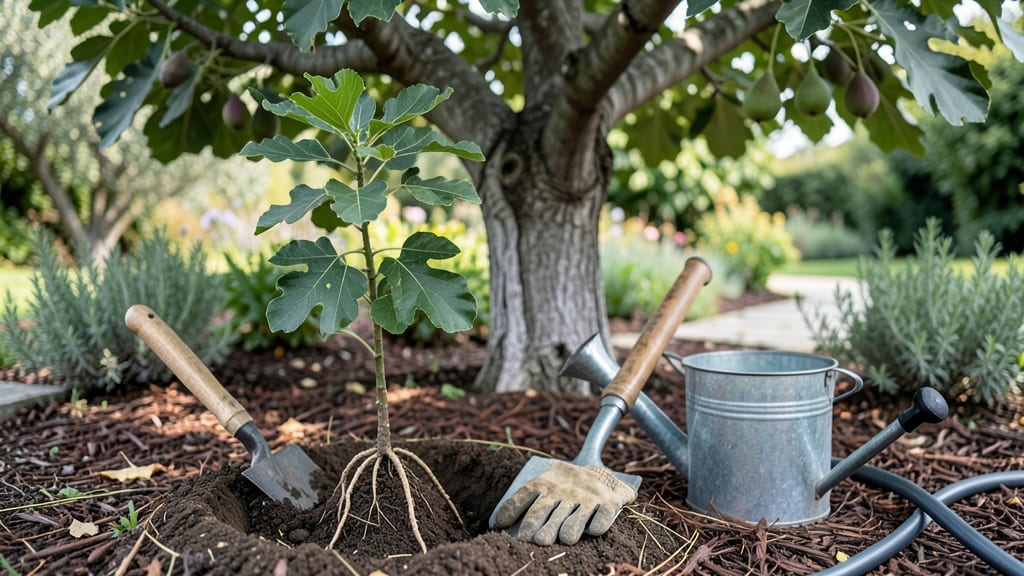
Planting your 🍇 fig tree in North Carolina at the wrong time could mean struggling with frost damage or poor fruit production—but getting the timing right unlocks sweet, homegrown harvests for years.
The key lies in matching your variety to NC's chill-hour zones, where March-April and September-October windows offer the perfect balance between soil warmth and avoiding late frosts.
Why does timing matter so much? Fig trees need the right chill hours to break dormancy, and NC's 7a-8b zones create microclimates where coastal areas stay milder while mountain regions face earlier frosts. Whether you're planting bare-root saplings or container-grown trees, understanding these regional differences is the game-changer for success.
I'll walk you through exactly when to plant based on your specific NC location, which fig varieties thrive in your chill-hour zone, and how to protect your investment through North Carolina's unpredictable springs.
By the end, you'll know not just when to plant, but how to give your fig tree the best possible start.
From Piedmont heat islands to coastal breezes, we'll cover all the local factors that make NC fig growing both rewarding and challenging. Let's get your 🍇 fig tree growing strong with the right timing and care strategies tailored for North Carolina gardeners.
NC chill-hour zones explained: best planting months by region
North Carolina's diverse climate—from the mountainous west to the coastal plains—means fig trees thrive best when planted at the right time based on chill-hour requirements. The state spans USDA Zones 7a to 8b, with chill-hour ranges from 0-500 hours (coastal) to 700+ hours (mountains).
Matching your fig variety to your zone is key to avoiding winter damage or poor fruiting.
For example, Celeste figs (0-300 chill hours) struggle in the Asheville area (Zone 7b, ~600+ hours), while Chicago Hardy (500-700 hours) thrives there but may overproduce in Wilmington (Zone 8a, ~300 hours). Let’s break down the best planting windows by region to ensure your fig tree sets fruit—and survives winter.
🌱 Visual Guide: Use this chill-hour map to find your NC zone before selecting varieties. Most nurseries label figs with their chill-hour needs—always check before buying!
| NC Region | USDA Zone | Chill Hours | Best Planting Window | Microclimate Notes |
|---|---|---|---|---|
| Mountains (Asheville, Boone) | 7a-7b | 700+ hours | March 15–April 15 | Elevation delays frost; plant Chicago Hardy or Osage varieties. |
| Piedmont (Raleigh, Greensboro) | 7b-8a | 500–700 hours | March 1–April 30 | Urban heat islands extend growing season; Celeste or Brown Turkey work well. |
| Coastal Plains (Wilmington, Fayetteville) | 8a-8b | 0–500 hours | February 15–March 30 | Mild winters; Desert King or Violette de Bordeaux are best. |
| Sandhills (Pinehurst, Sanford) | 7b-8a | 400–600 hours | March 1–April 15 | Well-drained sandy soil; mulch heavily to retain moisture. |
🌡️ Pro Tip: Check your last frost date (avg. March 15 in Piedmont, February 15 coastal) via NC State Climate Office.
Spring planting (after last frost) is ideal for bare-root figs, giving roots time to establish before summer heat. However, container-grown figs can be planted as late as April 30 in most zones—just water deeply afterward.
For fall planting (September–October), focus on low-chill varieties like Desert King to avoid winter stress.
Elevation matters too! In the Blue Ridge Mountains, plant 2–4 weeks later than Piedmont areas to avoid early spring frosts. Conversely, coastal gardens can plant earlier (even late February) since mild winters reduce chill-hour risks. Always amend sandy soils (common in the Sandhills) with compost to improve water retention.
If you’re unsure about your chill hours, use this rule of thumb: Mountains = high chill (700+), Piedmont = medium chill (500–700), and Coastal = low chill (0–500). Chicago Hardy is the safest bet for Zone 7a, while Celeste shines in Zone 8a.
For container growing, move pots to a protected location if winter temps drop below 20°F.
🌿 Why timing matters: Planting too early risks root rot in soggy spring soils, while late planting may stunt growth before summer’s heat. Aim for 60–70°F soil temps (use a soil thermometer) and consistent rainfall for the first 4 weeks post-planting.
In drought-prone areas (like the Sandhills), drip irrigation is a game-changer for young trees.
For urban gardeners, microclimates can shift planting windows by 2–3 weeks. A south-facing wall might add 10°F warmth, letting you plant Celeste figs in Raleigh a week earlier. Monitor your local NC CoCoRaHS network for real-time frost alerts—it’s a gardener’s secret weapon!
📅 Remember:
Top fig tree varieties for NC gardens: chill-hour matching guide
North Carolina’s diverse climate means not all fig trees thrive equally. Some varieties need 500+ chill hours to fruit well, while others handle 0-300 chill hours with ease. Matching your fig tree to your NC chill zone is key to avoiding disappointment—or worse, a tree that never bears fruit.
If you live in Zone 7a (mountains), you can grow almost any fig, but coastal gardeners in Zone 8b should stick to heat-loving varieties. Let’s break down the best options for your region, including their chill-hour needs and heat tolerance.
| Variety | Chill Hours | Best NC Zones | Heat Tolerance | Risk Level |
|---|---|---|---|---|
| Celeste | 300-500 | 7a-8a (mountains/Piedmont) | High | Low (reliable in NC) |
| Brown Turkey | 500-700 | 7a-7b (mountains) | Medium | Medium (needs winter chill) |
| Chicago Hardy | 0-300 | 8a-8b (coastal plains) | Very High | Low (heat-loving) |
| Desert King | 0-200 | 8a-8b (coastal plains) | Very High | Low (drought-resistant) |
For mountain gardeners (Zone 7a), Celeste and Brown Turkey are top picks—they handle 500+ chill hours and produce sweet, reliable fruit. But if you’re in Zone 8b (coastal NC), Chicago Hardy or Desert King will thrive where traditional figs might fail.
Pro tip: If you’re unsure about your chill hours, check the NC State Extension map or use a chill-hour calculator to match your location. Even a few extra hours can make the difference between a fruiting tree and a sad, leafy ornament.
Once you’ve picked the right variety, timing your spring planting (after last frost) or fall planting (before first frost) will set your fig tree up for success. Just remember: coastal figs hate winter chill, while mountain figs need it—so choose wisely!
🍇