
Flowers
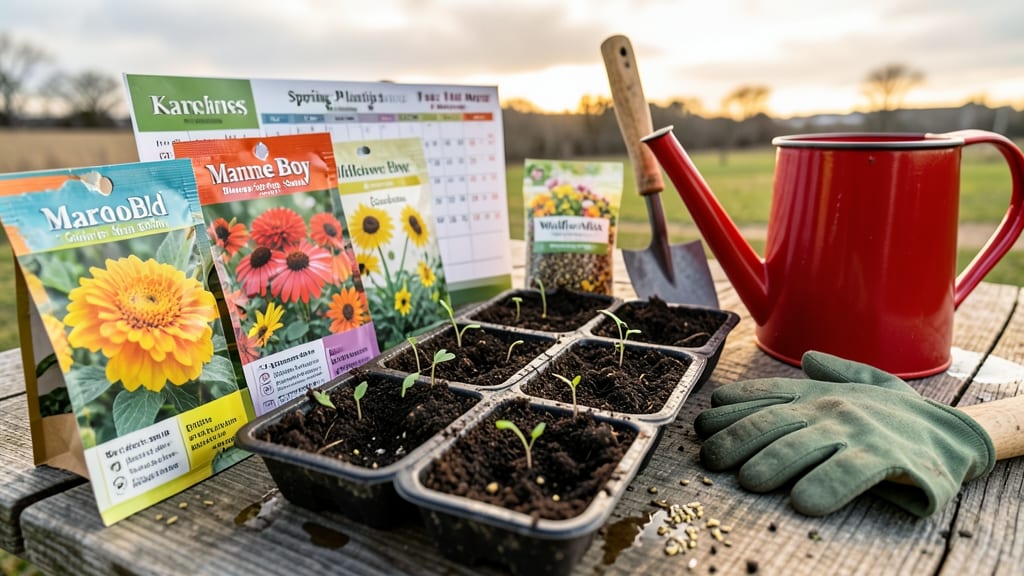
Planting flower seeds in Kansas at the wrong time can turn your dream garden into a sad, brown patch before it even gets started. With USDA Zones 5b to 7a across the state, knowing the exact deadlines for frost-free planting is the difference between vibrant blooms and wasted effort.
Most Kansas gardeners wait until after the average last frost date of April 15 to plant their 🌸 flower seeds, but timing varies by zone and flower type. Annuals like zinnias and marigolds thrive when sown in early spring, while perennials like coneflowers can handle cooler soil temperatures.
The key? Understanding your local microclimate and adjusting planting windows accordingly.
In this guide, I’ll break down the optimal planting windows for both spring and fall, including soil temperature tips and heat-tolerant varieties that perform well in Kansas’ unpredictable climate. Whether you’re a beginner or a seasoned gardener, these insights will help you maximize your blooms from June through October.
Ready to transform your garden? Let’s dive into the zone-specific deadlines and pro tips that will keep your flowers thriving all season long—no frost damage in sight!
Kansas frost dates by USDA Zone: exact deadlines for planting flower seeds
Kansas spans USDA Zones 5b through 7a, meaning your frost dates—and planting windows—can vary dramatically from Wichita to Topeka. In Zone 5b (northeast Kansas), the average last frost date is April 20, while Zone 7a (southwest Kansas) sees its final frost around April 10.
These differences matter because cool-season flowers like pansies thrive with early planting, while heat-lovers like zinnias need warmer soil.
For annual flowers, aim to plant 2-4 weeks after your last frost—this gives seedlings time to establish roots before summer heat arrives. Perennials, like coneflowers, can handle cooler soil and should go in 4-6 weeks before last frost for early blooms next year. Biennials (like foxgloves) need even earlier attention, often planted in late summer for spring blooms.
Here’s the critical rule: Soil temperature matters more than air temperature. Most flower seeds need soil at 50-60°F to germinate. In Kansas, this typically aligns with mid-April for southern zones but can stretch into early May in Zone 5b. Use a soil thermometer to confirm—don’t guess!
Fall planting is equally time-sensitive. Annuals sown for fall color (like cosmos or marigolds) need to go in 6-8 weeks before your first frost.
In Zone 5b, that’s mid-August; in Zone 7a, you’ve got until early October. Perennials can be planted until late September in most areas, giving roots time to establish before winter.
Pro tip: Kansas’ unpredictable weather means you should always have row covers or a mini greenhouse ready for late-season seedlings. A 10-day cold snap in May can wipe out unprotected plants overnight. Plan for flexibility—if frost warnings pop up, cover tender seedlings immediately.
Now, let’s talk flower types. Cool-season annuals (like snapdragons or sweet peas) can handle 40-50°F soil and should be sown 4-6 weeks before last frost. Warm-season favorites (zinnias, sunflowers) need 60°F+ soil—wait until after May 1 in most zones. Perennials like black-eyed Susans are forgiving; plant them early spring or fall for best results.
Don’t overlook succession planting—this is key in Kansas’ short season. For continuous blooms, sow fast-growing annuals like cosmos or marigolds every 2 weeks from May through July. This ensures you’re never without color, even if early plantings bolt in the heat.
Finally, monitor local forecasts. Kansas’ Chinook winds can cause sudden temperature swings, while La Niña years often bring earlier frosts. Bookmark the National Weather Service’s Kansas office and set reminders for frost advisories.
With these deadlines in hand, you’ll maximize your blooms and minimize the heartbreak of lost seedlings.
Ready to dive deeper? Next, we’ll cover the best flowers for Kansas gardens—and how to choose between cool-season vs. warm-season varieties based on your zone. 🌸
Best flowers to plant by seed type: cool vs. warm season varieties for Kansas gardens
Kansas’ unpredictable spring weather makes choosing the right flower seeds a game-changer. Cool-season flowers like snapdragons and pansies thrive when soil temperatures hover between 40°F and 60°F, while warm-season varieties such as zinnias and sunflowers need 60°F+ soil to germinate.
Planting at the wrong time can leave you with stunted growth or no blooms at all.
For Zone 5b-6a gardeners, start cool-season seeds indoors in February or direct-sow in early March before the average last frost. Warm-season seeds should wait until mid-April when soil temperatures consistently stay above 55°F. My go-to for Kansas gardens? Cosmos and marigolds—they’re heat-tolerant and bloom fast!
🌱
| Flower Type | Ideal Planting Month | Soil Temp (°F) | Notes |
|---|---|---|---|
| Cool-Season (Annuals) | March-April | 40-60°F | Snapdragons, Pansies, Sweet Alyssum |
| Warm-Season (Annuals) | April-May | 60°F+ | Zinnias, Sunflowers, Marigolds |
| Perennials (Zone 5b-7a) | March or Fall | 45-70°F | Coneflowers, Black-Eyed Susans, Lavender |
Direct-sowing seeds in Kansas can be tricky—some, like cosmos, self-seed easily and love poor soil, while others, such as petunias, need transplanting after indoor starts. For perennials like coneflowers, I recommend planting seeds in early spring or late summer (August) to establish roots before winter.
Pro tip: Use a soil thermometer to check temperatures—55°F+ is ideal for most warm-season seeds. If your soil runs cold, try black plastic mulch to warm it up faster. And remember, marigolds are my secret weapon—they repel pests and bloom nonstop!
🌿
For gardeners in Zone 7a, you’ve got a slightly longer window to plant warm-season flowers—don’t wait until mid-May! But if you’re in Zone 5b, prioritize cold-hardy varieties like pansies or calendulas to extend your bloom time.
And always water deeply after planting to encourage root growth—shallow watering leads to weak stems.
💧