
Flowers
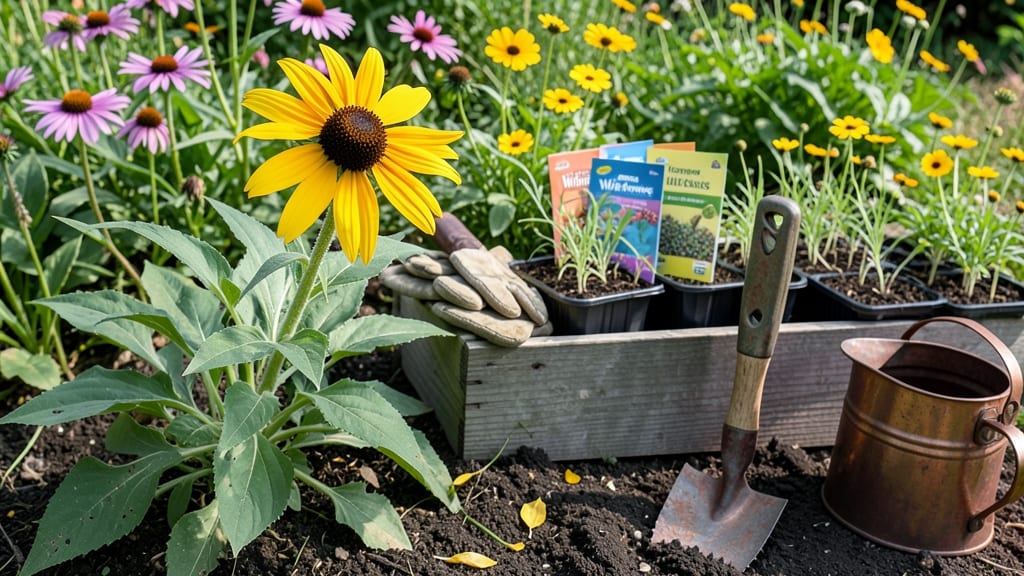
Planting flower seeds in Tennessee at the wrong time can mean the difference between a vibrant garden and a sad, withered disappointment—especially when your zone’s last frost date sneaks up on you.
From the cooler highlands of the Appalachians to the warmer valleys of the Cumberland Plateau, Tennessee’s USDA Zones 3a-7b create wildly different planting deadlines. Whether you’re sowing cool-season pansies in March or heat-loving zinnias in May, timing is everything.
I’ll break down the exact windows you need to know—plus how to adjust for your microclimate, whether you’re in Nashville’s urban heat or the Smokies’ chilly slopes.
You’ll learn when to start seeds indoors (like marigolds by March 1), which flowers thrive with direct sowing in April, and how to stretch your season with frost blankets. No more guessing—just actionable deadlines tailored to your corner of the state.
Ready to turn your Tennessee garden into a blooming success? Let’s get those seeds in the ground at the perfect moment—before the weather ruins your plans.
Tennessee flower seed planting deadlines by USDA Zone (3a-7b)
Tennessee spans USDA zones 6a-8a, but microclimates create huge differences in planting times. In the Appalachian Mountains (Zone 6a), frost lingers until May 15, while Memphis (Zone 7b) sees last frosts by March 15.
These variations mean your petunia seeds might need indoor starts in Knoxville but can go straight into the ground in Nashville.
For cool-season flowers like pansies and snapdragons, aim to sow seeds 4-6 weeks before your last frost date.
In Zone 6a, that’s early March; in Zone 7b, you can wait until mid-April. Warm-season flowers like zinnias and marigolds need soil temperatures above 60°F, so wait until after May 1 in most areas.
Here’s how to adjust for your specific zone using our Tennessee planting timeline:
| Zone | Last Frost Date | Indoor Start (Tender Annuals) | Direct Sow Cool-Season | Direct Sow Warm-Season |
|---|---|---|---|---|
| Zone 6a (e.g., Bristol) | May 15 | March 1 - 15 | April 1 - 15 | May 15 - June 1 |
| Zone 6b (e.g., Chattanooga) | April 30 | February 28 - March 15 | March 15 - April 1 | April 30 - May 15 |
| Zone 7a (e.g., Nashville) | April 15 | February 15 - March 1 | March 1 - 15 | April 15 - May 1 |
| Zone 7b (e.g., Memphis) | March 15 | January 15 - February 1 | February 15 - March 1 | March 15 - April 1 |
If you’re growing heat-sensitive flowers like impatiens or begonias, start them indoors 8-10 weeks before your last frost. For Zone 6a, that means January 1; for Zone 7b, you can wait until mid-February.
Use grow lights to prevent leggy seedlings, and keep soil temps at 70-75°F for optimal germination.
For direct-sown flowers, like cosmos or sunflowers, wait until soil temperatures reach 60°F. In Zone 7a, this is typically mid-April, while Zone 6a gardeners should wait until early May.
Test soil temps with a soil thermometer—if it’s below 55°F, seeds may rot instead of sprout.
Pro tip: Succession plant fast-growing flowers like zinnias every 2-3 weeks from April to July to enjoy blooms all season. In Zone 7b, you can even sow a fall crop of marigolds in August for autumn color before first frost.
Remember, elevated areas (like Great Smoky Mountains) can have 2-3 weeks later frost dates than nearby valleys. Check local Cooperative Extension Service records or use a frost calendar app to fine-tune your timing.
A few extra weeks of patience can mean the difference between wilting seedlings and a thriving garden.
For container gardening, adjust planting times by 1-2 weeks earlier since pots warm up faster. Just ensure containers have drainage holes to prevent root rot from overwatering. With these zone-specific deadlines, your Tennessee flower garden will bloom on schedule every year.
🌱
Best flowers to plant by month in Tennessee (cool vs. warm seasons)
Tennessee’s month-by-month planting calendar separates flowers into cool-season and warm-season categories. Cool-season bloomers like pansies and snapdragons thrive when soil temps hover around 40-50°F, while warm-season favorites such as marigolds and zinnias need soil at 60°F+ to germinate.
I’ll show you the best flowers to plant each month—plus heat-tolerant varieties for Zone 7b+ areas like Memphis.
For March and April, focus on cool-hardy annuals like calendulas and lobelia. These can handle Tennessee’s late frosts (often until mid-April in Zone 6a) and even bloom through light freezes.
In May and June, shift to heat-loving annuals such as cosmos and portulaca, which thrive in Tennessee’s 90°F+ summers.
Here’s your monthly planting guide, with indoor-starting deadlines for tender varieties like petunias (start them 8-10 weeks before last frost):
- 📅 March: Start pansies, snapdragons, and calendulas indoors. Direct-sow sweet peas (they need cool soil to germinate).
- 📅 April: Plant lobelia, stock, and dianthus outdoors after frost risk passes. Begin petunias and impatiens indoors for May transplanting.
- 📅 May: Direct-sow marigolds, zinnias, and sunflowers. Transplant tender annuals like geraniums after soil warms to 60°F.
- 📅 June: Sow cosmos, portulaca, and celosia for summer-long blooms. Succession-plant basil flowers (like ocimum) alongside veggies.
- 📅 July-August: For Zone 7b+, plant heat-tolerant varieties like celosia and four o’clocks. Avoid sowing in Zone 6a—wait for fall.
- 📅 September: Start fall-blooming asters and chrysanthemums indoors. Direct-sow pansies for winter color.
Pro tip: Use shade cloth in Zone 7b+ during July-August to protect delicate petunias from intense afternoon sun. I’ve also found that succession planting every 2-3 weeks keeps zinnias blooming until first frost (typically mid-October in Zone 6a).
For perennials, divide and transplant daylilies and black-eyed Susans in early spring or fall—they establish roots 6-8 weeks before frost. In Zone 7b, you can even plant tender perennials like salvias in late spring for year-round interest.
Don’t forget bulbs! Plant tulips and daffodils in October-November for spring blooms. In Zone 6a, mulch heavily to protect them from freeze-thaw cycles.