
Flowers
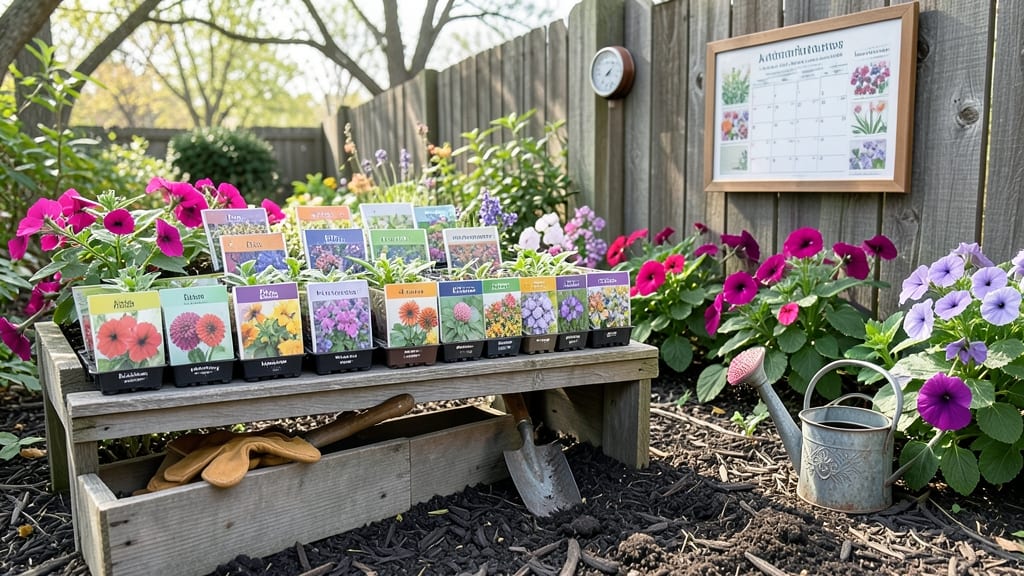
Timing your flower planting in Arkansas can mean the difference between a vibrant garden and a frost-killed disappointment—so knowing your zone’s last frost dates is non-negotiable.
With USDA zones 7a-8b offering two prime windows, late winter to early spring (February–April) and late summer to early fall (August–September), you’ve got more opportunities than you think to get those 🌸 blooms thriving.
But here’s the catch: rushing too early can leave your flowers vulnerable to late frosts, while waiting too long might stunt their growth.
I’ll break down the exact deadlines for your region—whether you’re in the cooler north or the warmer south of Arkansas—so you can plant with confidence and avoid common mistakes that waste time and money.
From cool-season annuals like pansies to heat-loving perennials such as black-eyed Susans, each type has its own ideal window. You’ll also discover how to stretch your blooming season with simple tricks, like using row covers or choosing late-blooming varieties, so your garden stays stunning from spring to fall.
Ready to transform your yard into a year-round floral paradise? Let’s dive into the zone-specific planting schedule that’ll have your flowers popping up exactly when you want them—and keeping them flourishing long after the first frost warning.
Arkansas planting zones & last frost dates by region
Arkansas spans USDA zones 6b to 8a, meaning your last frost dates can vary dramatically—from early February in southern zones to late March in northern regions. Understanding these microclimate differences is key to avoiding frost damage and maximizing bloom time for your annuals, perennials, and bulbs.
Northern Arkansas (zones 6b-7a) typically sees its last spring frost around March 15, while southern Arkansas (zones 7b-8a) often warms up by early February. First fall frosts arrive earlier in the north (mid-November) compared to the south (late November).
These dates determine when to plant cool-season flowers like pansies or warm-season favorites such as zinnias.
For bulbs like tulips and daffodils, planting in late fall (October-November) ensures they establish roots before winter. However, tender annuals like petunias should wait until after your last frost date—typically mid-April in most of Arkansas—to avoid frost damage.
Microclimates—like urban heat islands or shaded valleys—can shift frost dates by 1-2 weeks. For example, Little Rock (zone 7b) might see its last frost on March 10**, while Fort Smith (zone 7a) could experience it 10 days later.
Always check local Almanac frost predictions or use a frost-free calculator for precision.
Here’s how to use these dates for optimal planting success:
- Cool-season flowers (pansies, snapdragons): Plant 8-10 weeks before last frost (October-November for fall blooms or February for spring).
- Spring bulbs (tulips, daffodils): Plant 6-8 weeks before ground freezes (October-November).
- Warm-season annuals (marigolds, zinnias): Wait until 2 weeks after last frost (mid-April in most areas).
- Perennials (coneflowers, black-eyed Susans): Plant in early spring (March-April) or early fall (September-October).
If you’re unsure about your exact frost dates, use a planting calendar or local Cooperative Extension Service resources. For example, the University of Arkansas Division of Agriculture offers free frost date maps tailored to your county. This precision ensures your flowers thrive without risking a late frost.
For container gardening, you have more flexibility—move pots indoors or to sheltered areas during unexpected cold snaps. Just ensure containers have drainage holes to prevent root rot from Arkansas’s humid summers.
In zone 8a (southern Arkansas), you can even plant tender annuals like geraniums as early as February.
Pro tip: Hardy perennials like black-eyed Susans or daylilies can handle Arkansas’s hot summers (90°F+) and mild winters. Plant them in early spring (March-April) for year-round color. Just amend your soil with compost to improve drainage—Arkansas clay can be heavy and compacted.
Remember, succession planting is your secret weapon. For example, sow fast-growing annuals like marigolds every 2-3 weeks from April to July to ensure continuous blooms all summer long. This works especially well in zone 7b, where summers are long and
Arkansas’ mild winters and hot summers create perfect conditions for a year-round flower garden. But timing is everything—plant cool-season blooms in early spring and heat-tolerant varieties in late summer to maximize your garden’s potential. Let’s break down the best flowers to plant by season, with exact months tailored for Arkansas’ USDA zones 6b-8a. For spring bloomers, start with pansies and snapdragons in February or March—these tough annuals handle light frosts and brighten up early gardens. Daffodils and tulips should be planted in October or November for spring blooms, while petunias and zinnias thrive when sown in April or May after the last frost. Don’t forget black-eyed Susans and coneflowers, which love Arkansas’ summer heat and bloom from June through October.
Best flowers to plant by season in Arkansas (with exact months)
🌸 Arkansas Flower Planting Calendar
If you’re container gardening, opt for compact petunias or geraniums in April or May—they thrive in pots and bloom all summer long. For perennial powerhouses, plant daylilies and bee balm in spring or early fall; they’ll return year after year with minimal fuss.
Pro tip: Succession plant fast-growing annuals like bachelor’s buttons every 2-3 weeks in spring and summer to keep your garden in constant bloom.
For fall color, don’t overlook asters and chrysanthemums—plant them in August or early September for vibrant displays before the first frost.
These hardy blooms handle Arkansas’ cool autumn nights and add late-season interest. Sweet alyssum and lobelia are also great for fall containers, as they tolerate cooler temperatures better than many summer annuals.
Remember, soil temperature matters—wait until the ground warms to at least 60°F before planting warm-season flowers. Use a soil thermometer if you’re unsure; cool soil can stunt young plants.
In northern Arkansas (zones 6b-7a), hold off on tender annuals until mid-April, while southern Arkansas (zones 7b-8a) gardeners can plant as early as late February.
With this seasonal roadmap, your Arkansas garden will burst with color from early spring to late fall. Experiment with unusual varieties like Mexican sunflowers or celosia for extra drama—just follow the timing rules, and you’ll be rewarded with a nonstop floral show! 🌻