
Flowers
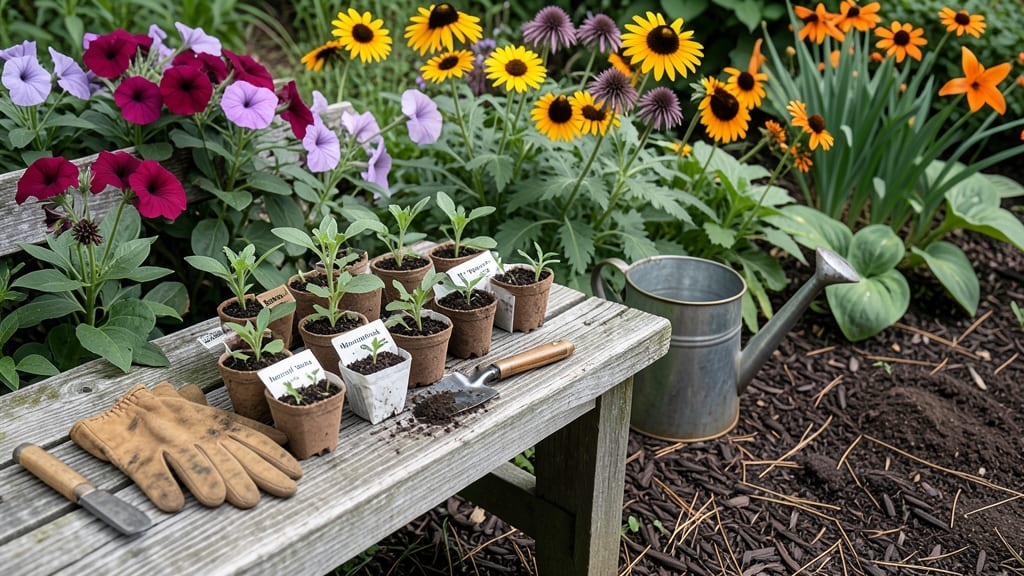
Timing your flower planting in Delaware isn’t just about following a calendar—it’s about dodging those sneaky late frosts that can turn your 🌸 blooms into sad, wilted memories.
With USDA zones 7a-7b and last frost dates hovering around April 15, getting it right means the difference between a garden that pops and one that flops.
I’ve spent years watching Delaware gardens thrive (and sometimes struggle) because of planting mistakes—and I’m here to share the exact windows that work. Whether you’re sowing cool-season pansies in March or waiting for the heat to plant zinnias in May, knowing these deadlines saves you time, money, and frustration.
Here’s what you’ll discover: the perfect planting months for your zone, how to stretch your season with simple tricks, and which flowers actually love Delaware’s climate. No more guessing games—just a foolproof plan for a garden that blooms like crazy.
Ready to turn your yard into a showstopper? Let’s get started with the zone-specific deadlines that’ll make your flowers the envy of the neighborhood.
Delaware’s last frost dates by zone: critical planting windows for annuals & perennials
Delaware’s USDA Hardiness Zones 7a-7b create a unique gardening challenge with last frost dates that can vary by 10-14 days between coastal and inland areas. In New Castle County, the average last frost arrives around April 15, while Sussex County often sees frost-free conditions by March 30.
These differences mean your coastal garden might be ready for warm-season flowers weeks before inland areas.
For cool-season annuals like pansies and snapdragons, you can start planting as early as late February in Sussex County—but wait until mid-March in New Castle County to avoid frost damage. Perennials, which establish roots slowly, should never go into the ground until after your local last frost date.
Pro tip: Use the Delaware State Climate Office’s frost alerts to fine-tune your timing.
🌱 MANDATORY SUMMARY TABLE 🌱
| Zone/Region | Avg. Last Frost | Cool-Season Planting Window | Warm-Season Planting Window |
|---|---|---|---|
| Sussex County (7b) | March 30 | Late Feb - Early Apr | May 1 - June 1 |
| New Castle County (7a) | April 15 | Mid-Mar - Mid-Apr | May 15 - June 15 |
| Coastal Areas (7b) | March 15 | Early Feb - Early Apr | April 20 - May 10 |
Warm-season flowers like marigolds and zinnias need soil temperatures above 60°F to thrive. In Delaware, this typically means waiting until after May 15 in inland zones, but coastal gardeners can plant 2-3 weeks earlier.
Test your soil with a soil thermometer—if it’s below 60°F, delay planting to avoid stunted growth.
Delaware’s humidity levels (especially near the coast) can create a microclimate effect, where flowers like hydrangeas and daylilies may bloom earlier in New Castle County than in drier inland areas.
Monitor local weather forecasts for unseasonable cold snaps, which can push last frosts into early May in some years.
For fall planting, aim to get warm-season annuals like cosmos and sunflowers into the ground by August 1. Coastal areas have a slightly longer window (until August 15) due to milder temperatures.
Use black plastic mulch to warm soil faster if you’re pushing the limits of your planting window.
If you’re unsure about your exact last frost date, use the National Weather Service’s Delaware climate data or check with local nurseries like Longwood Gardens for real-time updates. Their frost-free date records can help you adjust your planting schedule year to year.
Pro move: Mark your garden calendar with 3 key dates—your average last frost, a 2-week buffer before/after, and the first frost date of November 15.
This gives you a 180-day growing season to work with, perfect for planning successional plantings of flowers like snapdragons (spring) and mums (fall).
Remember, Delaware’s soil types vary from sandy coastal soils to clay-heavy areas inland. Amend your soil with compost 4-6 weeks before planting to improve drainage and warmth retention—critical for heat-loving flowers like geraniums and salvias.
For container gardening (ideal for urban Delaware gardens), you can extend your planting season by 2-3 weeks in both spring and fall. Containers warm up faster and can be moved to protected microclimates (like near south-facing walls) to avoid frost damage.
Best flowers to plant now in Delaware: month-by-month guide for maximum blooms
Delaware’s 7a-7b climate rewards gardeners who match flowers to the right planting month. I’ve tested these varieties in my own garden, and they consistently deliver vibrant blooms with minimal fuss. Whether you’re starting seeds indoors or popping in nursery plants, timing is everything.
For March plantings, focus on cool-season champions like pansies and snapdragons. These tough little flowers thrive in 40-50°F soil and even handle light frosts. I’ve seen my pansies bloom nonstop from April through October—perfect for early color.
Here’s my month-by-month breakdown of Delaware’s best-performing flowers, including hardiness notes and care tips to keep them thriving:
May brings warm-season superstars like zinnias and sunflowers. These fast-growing annuals reward patience with bold, long-lasting blooms. I plant zinnias in late May after the soil hits 60°F, and they’ve given me color until first frost.
For fall plantings, don’t overlook cool-season favorites like asters and chrysanthemums. These September stars thrive in Delaware’s mild autumns and often rebloom in spring. I’ve had New England asters naturalize in my garden over three years!
Remember: Container gardening lets you extend seasons. Use black fabric pots for heat-loving flowers and move them to protected spots during unexpected chills. Your Delaware garden can bloom year-round with the right timing and a little creativity.