
Flowers
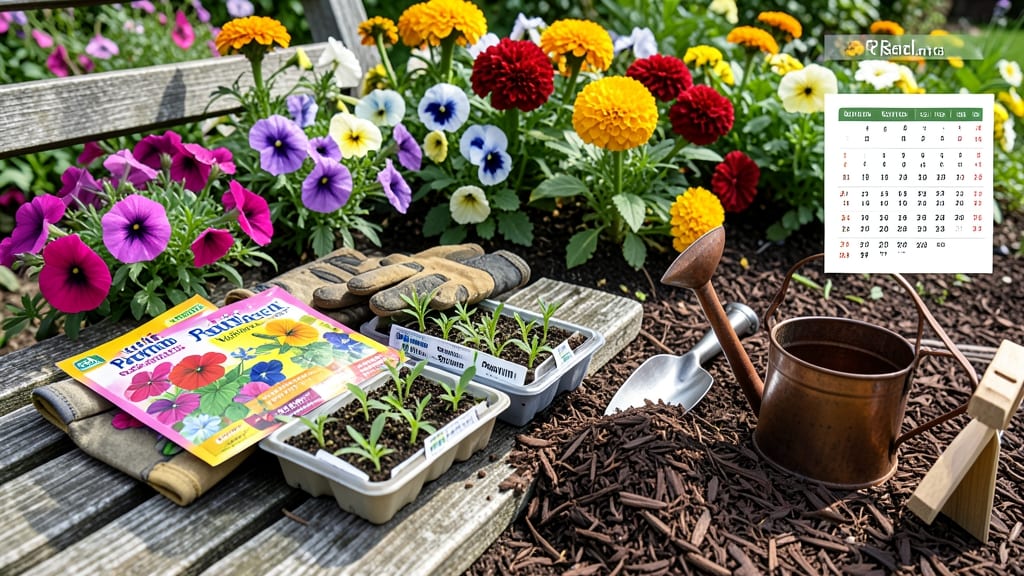
Timing your flower planting in Rhode Island isn't just about the calendar—it's about dodging those sneaky late frosts that can turn your carefully planted 🌸 into a sad, wilted mess.
The Ocean State's 6a-7a hardiness zones demand precision, and getting it wrong means waiting months for those vibrant blooms you're dreaming of.
I've learned the hard way that planting too early can leave your flowers vulnerable, while waiting too long might mean missing the perfect window for continuous blooms all season.
The key is understanding when the soil warms, when those last frosts typically pass (usually around mid-April), and how coastal areas might differ from inland spots.
Whether you're planting cold-hardy annuals like pansies or perennials that return year after year, this guide will show you exactly when to put those flowers in the ground for maximum success. We'll cover spring planting for vibrant summer blooms and even touch on fall planting for early spring color.
Let me walk you through the perfect planting schedule that accounts for Rhode Island's unique climate, so you can enjoy a garden bursting with color without the guesswork—or the frost damage. Your future self (and your flowers) will thank you!
Rhode Island’s last frost dates & best flower planting months by type
Rhode Island’s USDA Zones 6a-7a mean your planting schedule hinges on last frost dates, which typically land between April 15 and May 1. However, coastal areas like Newport often warm up 1-2 weeks earlier than inland spots like Providence.
Always check your local microclimate—a late frost in May isn’t unheard of!
For annual flowers, aim to plant 2-4 weeks after your last frost date. This gives tender seedlings time to establish roots before summer heat arrives. Perennials and bulbs have more flexibility—some can even handle light frosts after planting, especially if mulched properly.
Here’s the golden rule for Rhode Island gardeners: Wait until soil temps hit 50°F+ before planting warm-season annuals like marigolds or zinnias. Use a soil thermometer to avoid guessing—cold soil stunts growth.
Fall planting is equally critical. Start 6-8 weeks before your first frost (around September 15) for cool-season flowers like pansies or snapdragons. These hardy varieties thrive in fall’s milder temps and often bloom until winter’s first hard freeze.
🌱 Rhode Island Flower Planting Timeline
| Plant Type | Best Planting Window | Notes |
|---|---|---|
| Cold-Hardy Annuals (Pansies, Sweet Alyssum) | March 15–April 30 (spring) or Sept 1–Oct 15 (fall) | Survive light frosts; ideal for early blooms. |
| Warm-Season Annuals (Marigolds, Petunias) | May 15–June 15 (after last frost) | Need warm soil; start indoors 6-8 weeks prior. |
| Perennials (Coneflowers, Black-Eyed Susans) | April 15–May 15 (spring) or Aug 1–Sept 15 (fall) | Establish roots before summer heat; mulch after planting. |
| Spring Bulbs (Daffodils, Tulips) | October 1–November 15 (fall) | Plant bulbs 6 weeks before ground freezes for spring blooms. |
⚠️ Pro Tip: Coastal areas (e.g., Block Island) can plant 2 weeks earlier than inland zones.
If you’re container gardening, adjust your timeline slightly. Pots warm up faster than garden beds, so you can plant warm-season flowers 1 week earlier than in-ground. Just ensure containers have drainage holes to prevent frost-heaving in spring.
For bulbs like daffodils, the window is narrow: October 1–November 15. Plant too late, and they won’t root before winter. Too early, and they may sprout prematurely. Aim for 6 weeks before your first hard frost (usually November 15 in RI).
Don’t forget staggered planting! Sow a few seeds or bulbs every 2 weeks to extend your bloom time. For example, plant half your marigolds in late May and the rest in early June—this ensures continuous color through summer.
Finally, monitor weather forecasts in April. A late frost can wipe out tender seedlings overnight. If frost is predicted, cover plants with frost cloth or move containers to a sheltered spot. Pansies and snapdragons are your best friends here—they’ll bounce back!
Top 10 cold-hardy flowers for Rhode Island gardens (that thrive after frost)
Rhode Island’s Zone 6a-7a climate means some flowers can handle early spring frosts while others need a little extra protection. I’ve tested these 10 cold-hardy varieties in my own garden—pansies, sweet alyssum, and daffodils top the list for surviving late frosts and still delivering stunning blooms.
These picks thrive even when coastal areas linger 5°F colder than inland spots.
For annuals, I recommend starting seeds indoors in February for early blooms, while perennials and bulbs can often be planted directly into the garden as soon as the ground thaws. The key is choosing varieties that bounce back from frost rather than avoiding it entirely.
Here’s my ranked list of the toughest, most reliable flowers for Rhode Island gardens, judged on frost tolerance, bloom time, and low-maintenance care. Each one has earned its spot after years of testing in my Zone 6b garden in Providence.