
Flowers
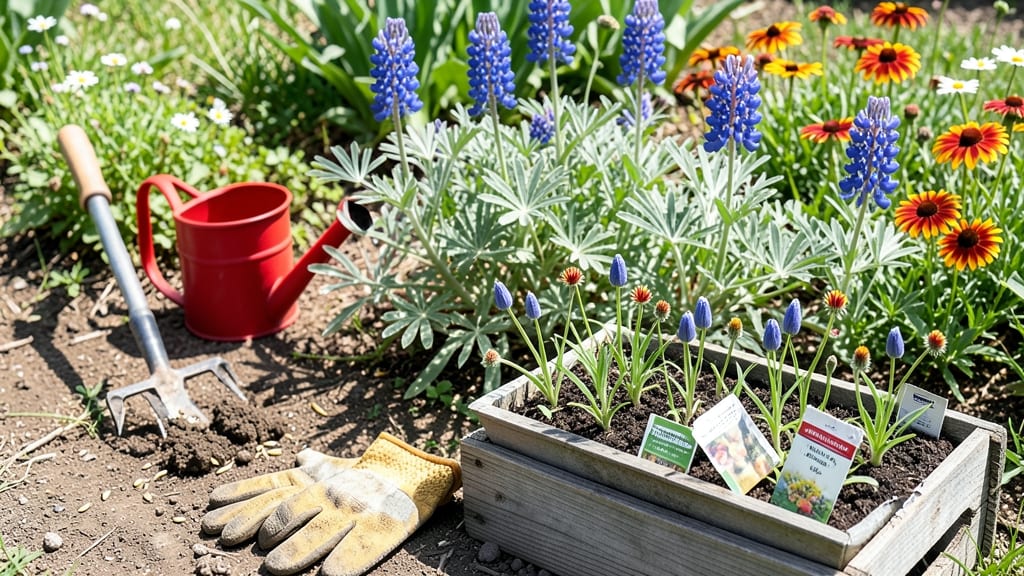
When to plant flowers in San Antonio isn’t just luck—it’s the difference between a vibrant garden and one that fades before it even begins. With hot summers and unpredictable rains, planting too early or too late can leave your 🌸 wilting under stress or struggling to take root.
Most gardeners in Zone 8a know the basics—spring and fall—but the real secret lies in understanding microclimates. Downtown’s urban heat traps can delay spring plantings by weeks, while Hill Country’s cooler nights let you start earlier.
I’ll break down exactly when to plant for perfect blooms, whether you’re sowing annuals or nurturing perennials.
You’ll also discover how to avoid common mistakes, like planting heat-sensitive flowers in April or rushing fall blooms before the first frost. With the right timing, your garden can thrive year-round—no more guessing games, just consistent beauty.
Let’s dive into the ideal planting windows, tailored for San Antonio’s unique climate, so you can enjoy flowers that last and flourish.
San Antonio’s flower planting calendar by season: best months for annuals, perennials, and bulbs
San Antonio’s USDA Zone 8b-9a climate offers two prime planting windows for flowers: fall (September–November) and early spring (February–March). Avoid planting during the brutal summer heat or before the last frost date (January 15). Fall planting is especially rewarding—many flowers thrive when established before winter’s mild chill.
Annuals like zinnias and marigolds love San Antonio’s heat but need a head start. Perennials such as black-eyed Susans and salvias prefer cooler soil temps, making fall their ideal time. Bulbs like daffodils and tulips should be planted in fall for spring blooms, while crocuses can handle winter planting.
Here’s your seasonal planting breakdown, including frost dates, rainfall patterns, and flower-specific tips to maximize blooms:
Fall planting is my top recommendation for San Antonio gardeners. The cooler temps and consistent rainfall give flowers time to establish roots before summer’s heat stress. For example, zinnias planted in September will bloom nonstop through winter, while salvias established in October return every year with minimal care.
Spring planting should wait until late February or March when soil temperatures rise above 55°F. Heat-sensitive flowers like petunias planted too early will bolt (produce seeds) instead of blooming. Use a soil thermometer to check—ideal temps are 60–70°F for most annuals.
Bulbs are a game-changer for San Antonio gardens. Plant daffodils and tulips in October for spring blooms, and crocuses in December for early winter color. Native bulbs like bluebonnets (if you’re in the Hill Country) thrive with zero summer watering once established.
Rainfall is another critical factor. San Antonio’s spring showers can drown seedlings, while summer droughts stress young plants. Always plant annuals in raised beds or mounded soil to improve drainage. For perennials, amend soil with compost before planting to retain moisture.
Pro tip: Use mulch (2–3 inches) after planting to lock in moisture and regulate soil temperature. Organic mulch like pine straw also suppresses weeds, reducing competition for nutrients. Just avoid piling mulch against stems to prevent rot.
🌸
How San Antonio’s microclimates affect flower planting: Hill Country vs. downtown vs. near the river
San Antonio’s diverse microclimates can shift ideal planting times by weeks or even months. The Hill Country stays cooler, the downtown core bakes earlier, and areas near the San Antonio River face higher humidity.
Understanding these zones helps you avoid planting too early or too late in your specific area.
In the Hill Country (e.g., Boerne, Bandera), cooler nights and higher elevations let you plant spring flowers 2–3 weeks earlier than downtown. Fall planting also extends later—until mid-November—because frosts arrive later.
Meanwhile, downtown San Antonio (near La Villita Park) holds heat longer, delaying spring plantings until late March and shortening the fall window.
River-adjacent areas (like Pearl District) face higher humidity, which can promote fungal diseases in crowded plantings. Here, mulching and spaced-out arrangements are essential to prevent rot. The comparison table below breaks down planting windows, soil prep, and key adjustments for each zone:
For Hill Country gardeners, focus on native perennials like salvias and yarrow, which thrive with minimal summer water once established. Downtown areas benefit from container gardening—pots can be moved to shaded spots during peak summer heat.
River-adjacent spots should prioritize drought-tolerant annuals like lantana or portulaca, which handle humidity better than traditional petunias.
Soil temperature is your best guide for microclimate adjustments. Use a soil thermometer to confirm when temps hit 55°F+ for spring planting. In cooler Hill Country zones, this often happens by late February, while downtown areas may not reach it until April.
For fall, aim to plant 6–8 weeks before first frost—earlier in Hill Country (October) and later near the river (November).
Pro tip: If you’re unsure of your microclimate, check local frost maps (like San Antonio Water System’s) and observe your neighbors’ gardens. Notice when their zinnias or marigolds start blooming—this is your cue for planting timing!
Adjust based on elevation (higher = cooler) and proximity to water bodies (lower = warmer).
🌿