
Trees
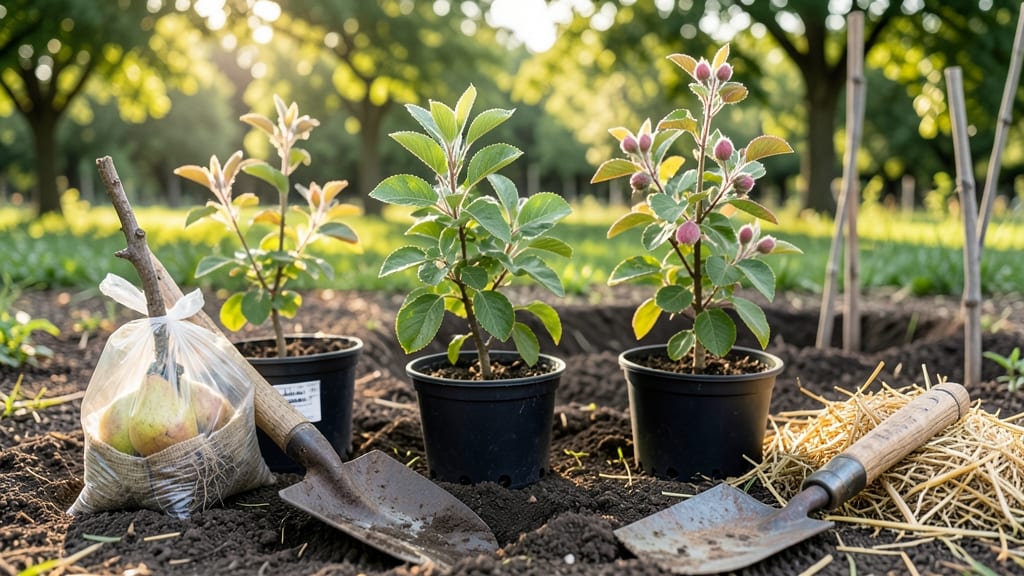
Planting your 🍎 fruit tree at the wrong time in Virginia could mean the difference between a thriving orchard and a sad, withering sapling—especially when you're dealing with the state's shifting microclimates and 6a-8a hardiness zones.
Most gardeners assume spring is the only window, but fall planting actually gives your tree a head start by letting roots establish before winter dormancy. The key?
Timing it right—whether you're dropping bare-root trees in late winter or container-grown varieties in October—so your investment doesn't freeze or bake in the ground.
I've helped Virginia growers nail this for years, and what I'm about to share will help you avoid common pitfalls like planting too late for root growth or picking varieties that won't thrive in your specific zone.
Let's break down the exact deadlines for peaches, apples, and persimmons—and how to work with your local microclimate for maximum success.
From soil prep to frost dates, you'll discover why some nurseries swear by fall planting while others push spring—and which strategy actually works better for your backyard. Ready to plant with confidence?
Virginia fruit tree planting deadlines by hardiness zone (6a-7b)
Virginia spans USDA hardiness zones 6a through 7b, creating distinct planting windows for fruit trees. In zone 6a (mountains), you’ll have a shorter growing season, while zone 7b (coastal areas) enjoys milder winters. Peaches and plums need chilling hours, so timing matters more than for apples or pears.
Most nurseries recommend planting bare-root trees in late winter (February-March) or container-grown trees in fall (October-November). But fall planting is ideal for zones 7a-7b, while spring planting suits cooler zones 6a-6b. Let’s break it down by zone.
🌱 Key Rule: Plant when soil temps hit 40°F and stay above freezing. Use a soil thermometer to check—this prevents root shock in young trees.
| Zone | Last Frost Date | Best Planting Window | Soil Prep Tip |
|---|---|---|---|
| 6a (Mountains) | April 15 | Early spring (March 1–April 15) | Amend soil with compost + lime (pH 6.0–6.5). |
| 6b (Piedmont) | March 25 | Fall (Oct 1–Nov 15) or spring (March 15–April 30) | Test for aluminum toxicity (common in clay soils). |
| 7a (Central VA) | March 10 | Fall (Sept 15–Nov 1) or early spring (Feb 15–March 30) | Add organic mulch (3–4 inches) to retain moisture. |
| 7b (Tidewater) | February 28 | Fall (Oct 1–Nov 15) or winter (Dec 1–Jan 31) | Drainage is critical—avoid low-lying spots. |
For stone fruits (peaches, plums, cherries), prioritize fall planting in zones 7a–7b. These trees need 600–1,000 chilling hours, so planting in autumn lets roots establish before winter dormancy. In zone 6a, spring planting is safer to avoid frost heave.
Pro Tip: Use local nurseries’ frost maps (like Virginia Cooperative Extension) to adjust dates. For example, Blacksburg (6a) may need 2–3 weeks later than Richmond (7a). Always check root flare visibility—it should sit 2 inches above soil after planting.
Container-grown trees can be planted anytime soil isn’t frozen, but avoid summer heat stress. If you miss fall, early spring (before buds swell) is your next best bet. Bare-root trees must be planted immediately after purchase—their roots dry out fast.
After planting, water deeply for 2 weeks to encourage root growth. In zone 6a, add mulch 4–6 inches deep to protect roots from freeze-thaw cycles. For zone 7b, focus on drainage—sandy soils may need organic matter to retain moisture.
Remember: Apples and pears are more flexible with timing, while figs and persimmons thrive in zone 7b’s warmer microclimates. Always match chilling hour requirements to your zone—e.g., 'Elberta' peaches need 800+ hours, but 'Redhaven' only needs 500.
🌳 For urban gardeners, container planting extends options. Use large pots (20+ gallons) with well-draining mix and plant in spring to avoid winter pot freeze.
Best fruit tree varieties for Virginia’s microclimates & their ideal planting times
Virginia’s diverse microclimates mean some areas get 300+ chilling hours while others barely hit 500 hours. Choosing the right fruit tree variety ensures success—whether you're in the Tidewater region or the Blue Ridge Mountains.
Here are my top picks for Virginia gardens, with exact planting windows tailored to their needs.
For stone fruits like peaches and plums, aim for varieties that thrive in USDA zones 6a-7b. These trees need 400-800 chilling hours, so I recommend planting them in late winter or early spring (February-March) when soil temperatures rise above 40°F.
Examples include 'Redhaven' peaches and 'Stanley' plums, both perfect for Virginia’s shorter winters.
If you’re in western Virginia (zones 6a-6b), focus on cold-hardy varieties like 'Honeycrisp' apples or 'Montgomery' cherries. These trees benefit from fall planting (October) to establish roots before winter. For eastern Virginia’s milder winters (zones 7a-8a), opt for low-chill varieties like 'Tropicana' peaches or 'Improved Meyer' lemons in containers.
Pro tip: Check the chilling hour requirements of your chosen variety against your local last frost date. For example, 'Redhaven' peaches need 600+ chilling hours, so avoid planting them in sheltered microclimates where winters are too mild. Use the Virginia Cooperative Extension’s frost maps to refine your timing.
Remember, container-grown trees can be planted year-round in Virginia (as long as soil isn’t frozen), but bare-root trees must go in during their dormant season. For maximum success, I always plant mine in late winter when the ground is workable but before buds swell.
For urban gardeners with limited space, dwarf varieties like 'Columnar' apples or 'Patio' peaches are game-changers. These can be planted in spring or fall and thrive in small yards or even large pots. Just ensure they get 6+ hours of sun daily!
🌱