
Trees
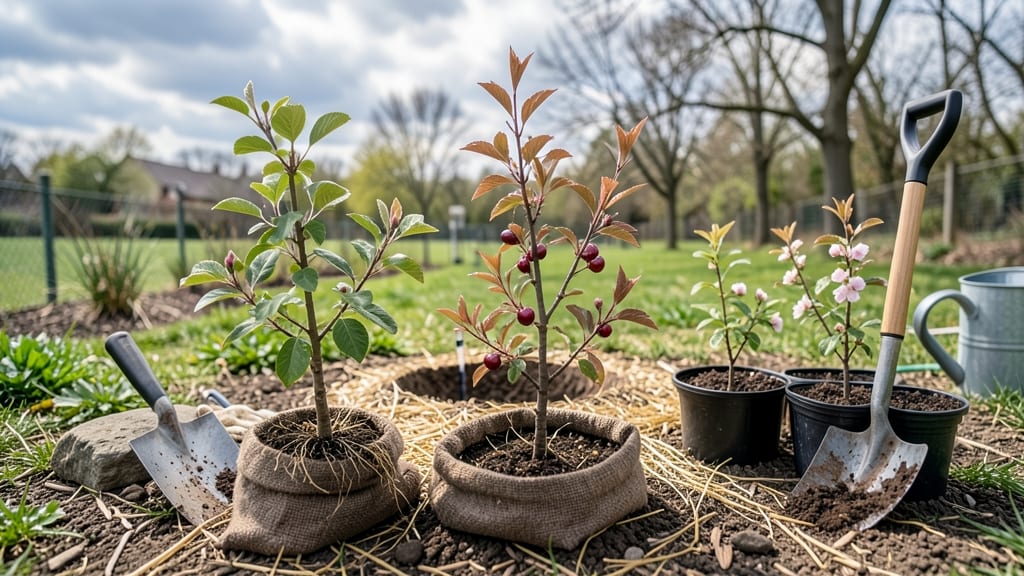
Planting a fruit tree 🍎 at the wrong time in Washington State could mean watching your investment wither before it ever bears fruit. The secret to success lies in matching your variety to the region’s precise chill-hour requirements and frost-free windows—something most gardeners overlook until it’s too late.
With USDA zones 5b through 8b across the state, timing isn’t one-size-fits-all. Eastern Washington’s colder microclimates demand earlier planting, while Western Washington’s milder maritime influence allows for a slightly extended window.
Get this wrong, and you’ll face frost damage or stunted growth—neither of which you want when you’ve got decades of harvests in mind.
I’ve researched the best planting windows for apples, cherries, peaches, and pears in Washington, and the ideal months are February through April. But here’s the catch: not all varieties thrive in the same zone.
Some need 1,200+ chill hours, while others do just fine with half that—knowing the difference saves you from costly mistakes.
In this guide, I’ll break down exactly when to plant each type, how to prep your soil for Washington’s unique climate, and which rootstocks will give you the best chance at a thriving orchard.
Let’s get those trees in the ground the right way—so you can enjoy fresh fruit for years to come.
Washington State chill-hour zones explained: matching fruit trees to your location
Washington State’s diverse climate means not all fruit trees thrive everywhere. The key to success lies in chill-hour requirements—the number of hours below 45°F (7°C) a tree needs to set fruit buds.
Western WA’s maritime climate (cooler, wetter) differs from Eastern WA’s continental climate (hotter, drier summers), so choosing the right variety for your USDA Zone (5b-8b) is critical.
For example, Honeycrisp apples need 800-1,000 chill hours and flourish in Zone 5-7, while Rainier cherries require 500-700 chill hours and do best in Zone 6-8.
Planting a high-chill variety in a low-chill zone (or vice versa) often results in poor fruit set or no harvest at all.
Here’s how to match your location to the right trees using Washington’s three primary chill-hour zones:
| Zone | Chill Hours | Best Fruit Trees | Planting Window |
|---|---|---|---|
| Western WA (Zones 7b-8b) | 200-600 hours | Peaches, Nectarines, Plums, Lapins cherries | February-March |
| Central WA (Zones 6a-7a) | 600-900 hours | Apples (e.g., Gala, Fuji), Pears, Stella cherries | March-April |
| Eastern WA (Zones 5b-6b) | 900-1,200+ hours | Honeycrisp, Granny Smith, Tart Cherries, European Pears | Late March-Early April |
Western Washington’s mild winters (e.g., Seattle, Bellingham) often struggle with high-chill varieties, while Eastern WA (e.g., Spokane, Wenatchee) can handle apples and pears that need 1,000+ chill hours.
Microclimates matter too—urban heat islands in cities like Tacoma may push you into a higher chill-hour zone than rural areas.
Always check rootstock compatibility too. Dwarf rootstocks (like M.9) are ideal for small spaces but may need extra chill hours to thrive. For example, a Fuji apple on M.9 rootstock in Zone 7 might produce smaller yields than on MM.111.
Soil prep is just as critical as timing. Amend heavy clay soils (common in Eastern WA) with compost or sand, while sandy soils in Western WA benefit from organic matter to retain moisture. A pH test (6.0-7.0) ensures nutrients are available for root growth.
If you’re in a transition zone (e.g., 600-700 chill hours), opt for low-chill varieties like Redhaven peaches or Skeena plums. These adapt better to warmer winters while still producing fruit. Avoid high-chill European pears unless you’re in Zone 5b or colder.
Finally, plant bare-root trees in late winter (before buds swell) to give roots time to establish before spring growth. Container-grown trees can go in year-round in mild zones (7-8), but bare-root is cheaper and hardier for most varieties.
By matching your chill-hour zone to the right fruit tree variety, you’ll avoid bloom failure and maximize your harvest. Next, we’ll dive into exact planting months for your top picks!
Best planting months for fruit trees in Washington: a variety-specific guide
Washington State’s diverse climate means planting timing varies dramatically from the wet, mild Western regions to the drier, colder Eastern zones. While most fruit trees thrive when planted in late winter or early spring, specific varieties have unique needs tied to their chill-hour requirements and frost sensitivity.
Let’s break down the best months to plant popular fruit trees in your area.
For apples and pears, aim for February to March in most of Washington. These trees need dormancy periods to establish roots before bud break. In Zone 5b (Eastern WA), like Spokane, plant Honeycrisp apples in late February to avoid early frost damage.
Meanwhile, Zone 8b (Western WA), like Seattle, can handle container-grown trees planted as late as April.
If you’re planting stone fruits like peaches or cherries, wait until March or April—these trees are more frost-sensitive and need warmer soil to root. In Zone 6 (Central WA), like Yakima, Redhaven peaches should go in the ground by early April to avoid late frosts.
For sweet cherries, which require high chill hours (800-1,000), plant in mid-March in Zone 5b.
Container-grown fruit trees offer flexibility—they can be planted year-round in mild zones (7-8), but spring is still ideal. Before planting, amend the soil with compost to improve drainage, especially in Western WA’s wetter regions.
For bare-root trees, soak roots in water for 2-4 hours before planting to reduce transplant shock.
Remember, soil temperature matters. For most fruit trees, soil should be at least 40°F (4°C) before planting. Use a soil thermometer if unsure—cool soil can delay root establishment. In Eastern WA, where soils warm faster in spring, you can plant 1-2 weeks earlier than Western WA.
Once planted, mulch around the base with wood chips to retain moisture and regulate soil temperature. Water deeply once a week for the first month, then taper off as roots establish. Avoid fertilizing until spring growth begins—new trees need time to adapt before heavy feeding.