
Planting
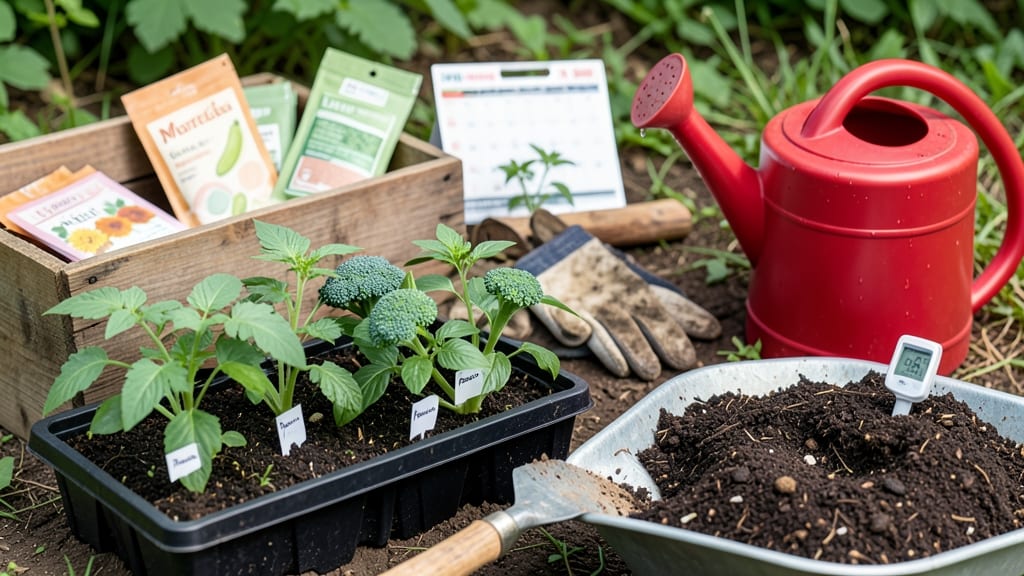
Planting your 🌱 garden in Pennsylvania at the wrong time can mean the difference between a thriving harvest and wasted effort. Whether you're sowing tomatoes in the Keystone State's USDA Zones 4-7, the timing matters more than you might think.
Most gardeners know frost is the enemy, but did you realize that planting too early—even by a few weeks—can leave your tender seedlings vulnerable? I’ve learned the hard way that Pennsylvania’s unpredictable spring weather demands precision.
The key is understanding your specific zone’s last frost date and adjusting your schedule accordingly.
In this guide, I’ll break down exactly when to plant everything from cold-hardy greens to heat-loving peppers, so you can avoid common mistakes. You’ll discover how to stretch your growing season, protect your plants from late frosts, and even troubleshoot microclimates that can throw off your entire schedule.
Let’s get your garden off to the best possible start—because in Pennsylvania, timing isn’t just important, it’s everything.
Pennsylvania last frost dates by USDA Zone: critical planting windows
Pennsylvania spans USDA Zones 4a-7a, meaning your last frost dates can vary by 3-4 weeks from north to south. These dates determine when to plant cool-season crops and when to wait for warm-season favorites.
In Zone 4a (Erie, Scranton), expect frost until May 15, while Zone 7a (Philadelphia, Pittsburgh) typically sees its last frost by April 15. Microclimates—like urban heat islands or sheltered valleys—can shift these dates by 1-2 weeks.
For spring planting, aim to sow cold-hardy vegetables like peas and spinach 4-6 weeks before your last frost date. Warm-season crops such as tomatoes and peppers need soil temperatures above 60°F, which usually occurs 2-4 weeks after the last frost.
Fall planting follows the reverse: cool-season crops can go in 60-90 days before your first frost, which hits October 15 in the north and November 15 in the south.
Use this zone-by-zone guide to align your planting with Pennsylvania’s climate. Miss these windows, and you risk frost damage or bolting plants that flower too early.
For example, Zone 5b (Harrisburg, Allentown) gardeners should start indoor seedlings in early March for transplanting after May 1, while Zone 6a (Lancaster, York) can push that to late March.
🌱
Knowing your last frost date is just the start. Soil temperature matters just as much—cold soil can stunt seed germination even if air temps are warm. Use a soil thermometer to confirm 60°F+ for warm-season crops.
In Zone 4a, this might not happen until late May, while Zone 7a can start as early as mid-April. For cool-season crops, soil temps below 50°F can slow growth, so wait until April in most zones.
Microclimates add another layer. A south-facing slope warms up faster than a north-facing yard, potentially shaving 1-2 weeks off your frost dates. Urban areas with concrete and pavement can also experience heat islands, delaying frost in fall.
If you’re near a large body of water (like Lake Erie), expect cooler nights that may push back planting by 10-14 days.
For fall planting, calculate days to maturity from your first frost date. For example, if your first frost is October 30 (Zone 5a) and your bush beans take 50 days to harvest, sow them by September
Plant-specific schedules for Pennsylvania gardens: what to sow when
Pennsylvania’s USDA Zones 4-7 create a unique challenge: some plants thrive in cool springs, while others need warm soil to germinate. My rule of thumb?
Start with cold-hardy crops like peas and spinach 4-6 weeks before your last frost date, while heat-lovers like tomatoes and peppers wait until after May 15th in most zones.
For cool-season vegetables, think early spring (March-April) or late summer (August-September). Lettuce, kale, and broccoli can handle light frosts, but avoid planting them when nighttime temps drop below 25°F. Meanwhile, warm-season crops like cucumbers and beans need soil temps above 60°F—wait until mid-May to early June.
🌱 Pro Tip: Use row covers to extend early planting windows for heat-lovers by 2-3 weeks in cooler zones (4a-5b). This lets you sow tomatoes and peppers 2 weeks earlier without frost risk.
-
🥬 Cool-Season Crops (March-April)
Peas, spinach, lettuce, broccoli, kale, onions, radishesDirect sow -
🌶️ Warm-Season Crops (May-June)
Tomatoes, peppers, eggplants, cucumbers, beans, corn, basilStart indoors 6-8 weeks before last frost -
🌼 Flowers & Herbs (April-June)
Marigolds (April), zinnias (May), basil (after last frost), cilantro (spring/fall)Zone 4a: Wait until May 10th -
🍂 Fall Planting (August-September)
Kale, carrots, beets, radishes, lettuce, spinachSow 8-10 weeks before first frost -
❄️ Frost-Sensitive Plants (June-July)
Sweet potatoes, okra, melonsWait until soil is 70°F+
Herbs deserve special attention. Cilantro bolts in heat—sow it in early spring or late summer for best results. Meanwhile, basil won’t germinate until soil temps hit 50°F, making mid-May the earliest safe bet in most of PA.
For perennials like asparagus, plant crowns in early spring (March-April) for a 2-year harvest window.
🌿 Zone-Specific Adjustments: Gardeners in Zone 7a (southern PA) can plant warm crops 2-3 weeks earlier than those in Zone 4a (northwest PA). Use your local Cooperative Extension office for hyper-local frost data—it’s worth the 5-minute call!
Remember: Succession planting is your secret weapon. Instead of sowing all your lettuce at once, stagger plantings every 2 weeks for continuous harvests. This works especially well for bush beans and radishes, giving you fresh picks all season long.