
Plants
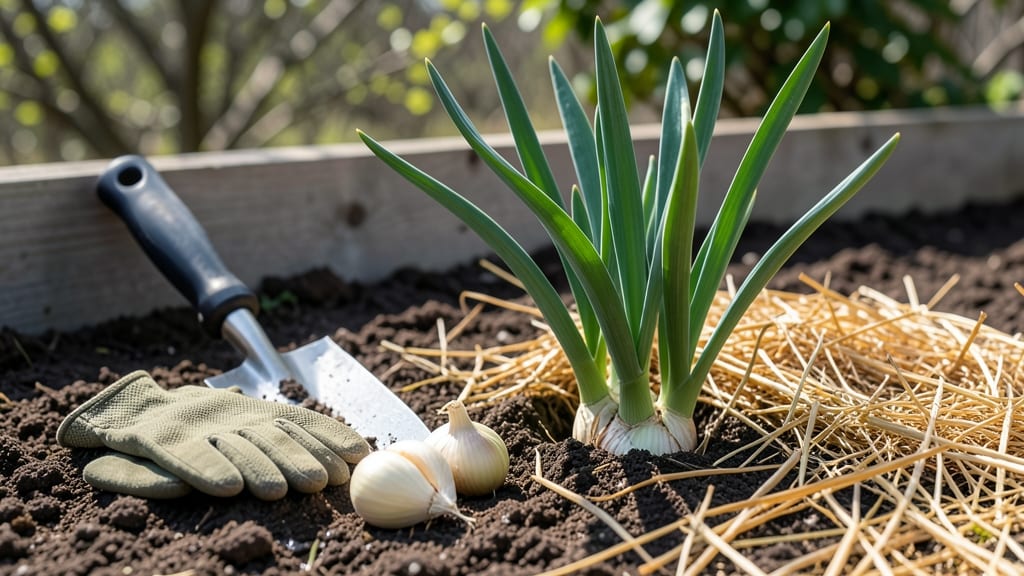
Planting garlic in Pennsylvania at the right time could mean the difference between a meager harvest and a pantry bursting with flavorful bulbs—so timing is everything.
The key is getting those cloves 🧄 into the ground 4-6 weeks before the first frost, typically between October and November, when the soil cools but hasn’t frozen yet.
Why does this matter? Unlike spring-planted garlic, fall-planted varieties establish strong roots before winter, giving them a head start for next summer’s harvest. In Pennsylvania’s USDA zones 5b-7a, where frost can sneak in as early as mid-October, missing the window means weaker plants and smaller yields.
But here’s the game-changer: hardneck and softneck garlic have different ideal planting windows, and even a week’s delay can affect bulb size. I’ll walk you through the exact schedule for each type, plus how to adjust for Pennsylvania’s microclimates—whether you’re in Philadelphia or Pittsburgh.
Ready to grow bigger, better-tasting garlic? Let’s dive into the perfect planting strategy for your garden, so you’re harvesting plump bulbs by mid-July instead of struggling with stunted crops.
Best planting months for garlic in Pennsylvania: hardneck vs softneck schedule
Pennsylvania’s USDA zones 5b-7a create a perfect climate for growing garlic, but timing matters more than you might think. The Keystone State’s cold winters and warm summers make fall planting the gold standard—just don’t wait too late!
For hardneck varieties (like Music or German White), you’ll want to plant 6-8 weeks before the ground freezes, while softneck varieties (like Silverskin) are more flexible but still thrive with early fall planting.
Most Pennsylvania gardeners plant garlic between mid-October and November, but your exact window depends on where you live. In Philadelphia (Zone 7a), you might push planting until early November, while Pittsburgh (Zone 6b) gardeners should aim for early October.
The key is getting cloves in the ground 4-6 weeks before the first hard frost, so they establish roots before winter dormancy. This timing ensures bulbs form properly by next summer.
Here’s the critical difference between hardneck and softneck garlic: hardnecks need a cold period to form scapes (those tasty garlic shoots), while softnecks are more adaptable.
In Pennsylvania, hardnecks dominate because they handle our winters better, but softnecks can work too—just plant them slightly later if you’re in a milder microclimate.
| Variety | Best Planting Month | Key Feature | Pennsylvania Notes |
|---|---|---|---|
| Hardneck (e.g., Music, German Red) | October 15–November 15 | Produces scapes; needs cold vernalization | Best for Zone 5-6; scapes ready by June |
| Softneck (e.g., Silverskin, Artichoke) | October 1–November 15 | No scapes; stores longer | Works in Zone 7+; later planting okay |
| Elephant Garlic (e.g., Inchelium Red) | October 1–November 10 | Milder flavor; larger bulbs | Great for urban gardens; plant early |
🌱 Pro Tip: Use a moon planting calendar for extra success—root crops (like garlic) thrive when planted during the rooting moon phases!
If you miss the fall window, don’t panic—spring planting is possible in Pennsylvania, but yields will be smaller. For spring planting, aim for March or early April, as soon as the soil is workable. The trade-off?
Spring-planted garlic won’t have time to fully mature before winter, so bulbs will be smaller and less flavorful. That said, it’s a lifesaver if you forgot to plant in fall or want a quick harvest for summer recipes!
One common mistake I see is planting garlic too early. If you plant in September, cloves might sprout and get damaged by early frosts. The goal is for garlic to establish roots but stay dormant until spring.
Think of it like tucking your garlic in for a winter nap—they’ll wake up refreshed and ready to grow in spring. In Pennsylvania, late October to early November is your sweet spot for most regions.
For gardeners in northern PA (Zones 5-6), like those in Erie or State College, err on the earlier side—mid-October is ideal. In southern PA (Zone 7a), like Reading or Allentown, you can push it to early November.
Check your local average first frost date (use the Old Farmer’s Almanac or Penn State Extension resources) and count backward 6 weeks for your planting window.
Another trick I swear by? Planting garlic in raised beds if your soil is heavy clay or poorly draining. Raised beds warm up faster in spring, giving your garlic a head start. Plus, you can control the soil mix better—aim for loamy, well-draining soil with a pH of 6.0-7.0.
If your soil is too acidic (below 6.0), add lime or wood ash before planting. For alkaline soils (above 7.0), mix in sulfur or peat moss.
Remember, garlic is a perennial crop that behaves like an annual in our climate. Each year, you’ll plant new cloves, and the cycle repeats. But with the right timing, you’ll harvest plump, flavorful bulbs that’ll make your kitchen smell like a garlic festival.
And trust me, there’s nothing like the satisfaction of pulling up a homegrown garlic bulb after months of patience and care.
If you’re still unsure about your local frost dates, ask your county extension office—they’ll have the most accurate data for your specific area. For example, Penn State Extension offers free soil tests and gardening guides tailored to Pennsylvania.
With the right timing, your garlic will thrive, and you’ll be the hero of your harvest season! 🌱
Best planting months for garlic in Pennsylvania: hardneck vs softneck schedule
Pennsylvania’s USDA zones 5b-7a create a unique challenge for garlic growers—getting the timing right ensures large, flavorful bulbs instead of stunted growth. The key is planting 4-6 weeks before the ground freezes, typically between mid-October and November.
But here’s the twist: hardneck and softneck varieties have slightly different preferences.
Hardneck garlic, like 'German White' or 'Music', thrives in Pennsylvania’s cold winters and actually needs vernalization (a period of cold) to form bulbs. Softneck varieties, such as 'Silverskin', are more forgiving but still benefit from early fall planting.
Both types should avoid planting after December 1st, as the soil may not have enough time to chill properly.
Here’s how Pennsylvania’s regional frost dates impact your schedule:
- Philadelphia area (Zone 7a): Plant between October 15th and November 1st
- Pittsburgh area (Zone 6b): Plant between October 1st and October 25th
- State College (Zone 6a): Plant between September 25th and October 15th
Timing this precisely maximizes bulb size and flavor development.
| Variety Type | Ideal Planting Window | Cold Requirement | Bulb Maturity | Best For |
|---|---|---|---|---|
| Hardneck | Oct 1 - Nov 15 | Requires winter chill | Mid-July | Braiding, roasting |
| Softneck | Oct 15 - Dec 1 | Tolerates less chill | Late July | Storage, cooking |
*Adjust dates 1-2 weeks earlier for high-altitude areas (e.g., Pocono Mountains).
Spring planting is possible in Pennsylvania but not recommended for optimal bulbs. If you miss the fall window, plant in early March—but expect smaller bulbs with less flavor.
The trade-off? Spring-planted garlic can be harvested 30-45 days earlier than fall-planted varieties, which may be useful if you’re short on storage space.
Pro tip: Use a soil thermometer to confirm when soil temps drop to 40°F (4°C)—this signals it’s time to plant. In Zone 6b, this typically happens by October 10th, while Zone 7a areas may wait until October 25th.
Planting too early in warm soil can cause cloves to sprout prematurely.
Don’t overlook local garlic festivals like the Reading Terminal Market Garlic Festival (February) for fresh, locally adapted cloves. These events often highlight Pennsylvania-grown varieties that perform best in your region’s microclimates. Pair your planting with a compost-amended bed and you’re set for a harvest that’ll make your neighbors jealous!