
Plants
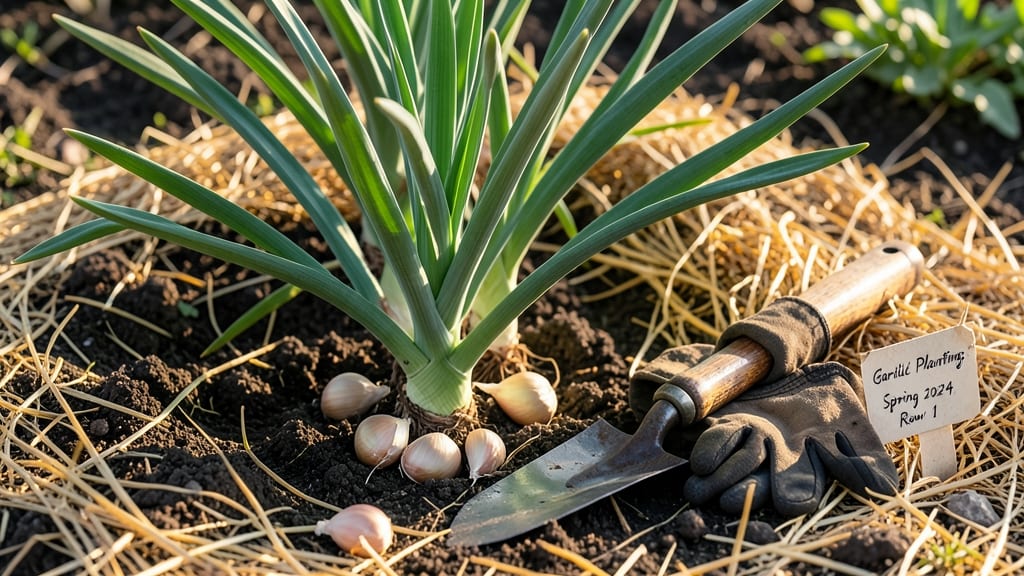
If you're growing 🧄 garlic in Zone 10, timing your planting could mean the difference between plump, flavorful bulbs and disappointment. Unlike colder climates, Zone 10's mild winters and warm summers demand a precise window to avoid bolting—when garlic sends up flowers instead of forming bulbs.
Most gardeners in California's coastal areas or similar climates know the struggle: plant too early, and the garlic bolts before maturing; too late, and you risk weak growth.
The key is planting between October and December, when cooler temperatures slow early sprouting while still allowing enough time for bulb development before summer heat arrives.
But here's the game-changer: even within this window, microclimates matter. Coastal areas with cooler temperatures can extend planting into early January, while inland spots may need to start earlier. I'll break down exactly how to adjust for your specific conditions—so you can harvest the best garlic possible.
Ready to grow garlic that rivals store-bought? Let's dive into the best months, soil prep, and care tips tailored for Zone 10's unique climate.
Optimal planting months for Zone 10 garlic to avoid bolting and maximize yield
Zone 10's mild winters make garlic planting tricky—unlike colder climates, garlic here doesn't need frost to form bulbs. Instead, cool (but not freezing) temperatures between 50°F–60°F trigger bulb development.
Plant too early, and your garlic will bolt (flower) before forming cloves. Too late, and you risk summer heat stress during bulb maturation.
The ideal planting window in Zone 10 spans November through January, with December being the sweet spot. This timing ensures garlic experiences 60–90 days of cool weather before summer heat arrives.
For a secondary harvest, you can also plant in February or early March, though yields may be smaller.
Coastal areas (like San Diego or Santa Barbara) can plant slightly later—December through February—thanks to ocean breezes moderating temperatures. Inland zones (e.g., Phoenix or Riverside) should aim for November to early December to avoid premature bolting from warmer nights.
Here’s why timing matters: Garlic bulbs form during cool-season growth, but they need 6–8 weeks of consistent chilling (not freezing) to develop properly. Zone 10’s lack of frost means we rely on temperature thresholds—below 65°F for bulb initiation, but not so cold that cloves rot.
| Planting Window | Temperature Range | Days to Bulb Formation | Best Varieties |
|---|---|---|---|
| November | 55°F–65°F | 90–120 days | Artichoke, Silverskin |
| December | 50°F–60°F | 100–130 days | Creole, Rocambole |
| January | 55°F–65°F | 110–140 days | Softneck (storage types) |
| February–March | 60°F–70°F | 120–150 days | Elephant Garlic (larger cloves) |
If you miss the fall window, don’t despair—spring planting (February–March) still works, though bulbs may be smaller. The key is choosing heat-tolerant varieties like Silverskin or Artichoke garlic, which handle Zone 10’s warm winters better than hardneck types.
These varieties prioritize bulb over scape (flower stalk) production, reducing bolting risks.
For coastal gardeners, leverage the maritime effect—planting in late December or January can delay bolting by 2–3 weeks. Inland growers should use shade cloth (30–50%) during peak summer to protect emerging bulbs from heat stress above 80°F.
Pro tip: Test your soil temperature before planting. Use a soil thermometer to confirm nights stay below 65°F—this is your bulb-formation sweet spot. If temps creep higher, delay planting by 2–4 weeks or use row covers for insulation.
Remember, garlic in Zone 10 is a gamble without planning. But with the right timing and variety, you’ll harvest plump, flavorful bulbs that put grocery-store garlic to shame—no frost required!
Optimal planting months for Zone 10 garlic to avoid bolting and maximize yield
In Zone 10, where winters are mild and summers scorching, garlic thrives best when planted during the coolest months. Unlike colder zones, you have two planting windows: fall (October–December) for classic harvests or early spring (February–March) for smaller bulbs.
The key is avoiding temperatures above 75°F (24°C), which triggers bolting—the enemy of plump bulbs.
Fall planting is ideal because garlic needs 60–90 days of cool weather to form bulbs. In Zone 10, this means planting by December 1st to ensure harvest before summer heat sets in. Coastal areas can extend this slightly later, while inland zones should plant earlier to escape heat spikes.
| Planting Window | Best Months | Temperature Goal | Harvest Window |
|---|---|---|---|
| Fall Planting | October–December | 50–70°F (10–21°C) | June–August |
| Spring Planting | February–March | 60–75°F (15–24°C) | October–November |
Spring planting is riskier in Zone 10 because bulbs mature faster in warm soil, often leading to smaller yields. If you choose this route, opt for softneck varieties like Artichoke, which tolerate heat better than hardnecks.
Coastal gardeners can push fall planting to early January, but inland areas must finish by late December.
Microclimates matter! Coastal Zone 10 (e.g., San Diego) can plant garlic as late as January due to ocean breezes moderating temps. Inland areas (e.g., Phoenix) should plant by November 15th to avoid early heat.
Always check your local last frost date—even if Zone 10 rarely freezes, sudden cold snaps can stress garlic.
Pro tip: Use a soil thermometer to confirm temps stay below 75°F (24°C) during active growth. If your garden hits 80°F (27°C) for more than a week, your garlic will bolt—no bulbs, just flowers. Mulch with straw or wood chips to insulate roots and keep soil cool.
Timing isn’t just about months—it’s about temperature thresholds. Plant when daytime highs hover around 65–70°F (18–21°C) and nights dip below 55°F (13°C). This balance ensures steady bulb development without bolting. In Zone 10, that’s your 6–8 week window to plant for a successful harvest.