
Plants
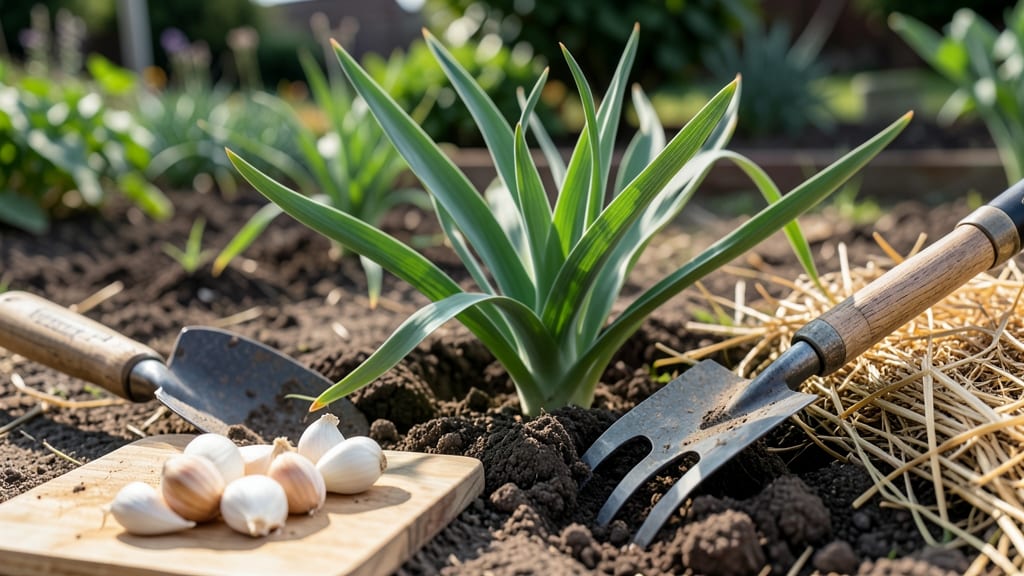
Planting garlic at the wrong time in Zone 4 can turn your hard work into bitter disappointment—bolting before harvest or weak bulbs. But timing it just right guarantees plump, flavorful cloves that rival store-bought (for a fraction of the cost).
The key is understanding how cold temperatures trigger garlic's growth cycle, and in Zone 4, that means planting 🧄 in fall—not spring.
Most gardeners in Zone 4 (4a-4b) assume they have until late fall, but the real magic happens when soil temperatures drop below 50°F. Planting too late risks frost damage, while planting too early can lead to premature sprouting.
I'll show you exactly how to time it for maximum success—whether you're working with hardneck or softneck varieties.
You don't need a fancy thermometer to get this right. By following simple soil checks and planting between October and November, you'll give your garlic the perfect chilling period it needs. This isn't just about avoiding bolting—it's about growing garlic that's sweeter, larger, and ready to harvest next summer.
Let's break down the exact window, soil temperature tricks, and how to adjust if your winter throws unexpected surprises. Ready to grow garlic that'll make your neighbors jealous?
Zone 4 garlic planting calendar: exact dates based on soil temperature
Garlic thrives in Zone 4 when planted in fall, not spring. The key? Soil temperature—not air temperature—must drop below 40°F (4°C) before planting. This triggers vernalization, the cold period garlic needs to form bulbs. Plant too early, and cloves rot; too late, and they bolt prematurely.
For Zone 4, aim to plant 4–6 weeks before the ground freezes (typically mid-October to early November). Hardneck varieties like Rocambole or Purple Stripe handle cold best, while softnecks (like Silverskin) are less forgiving. Use a soil thermometer to confirm temps are 40–50°F (4–10°C) at planting time.
| Month | Soil Temp Goal | Planting Window | Notes |
|---|---|---|---|
| September | 50–60°F (10–15°C) | Early planting (risky) | Only for mild Septembers; cloves may rot. |
| October | 40–50°F (4–10°C) | Ideal window | Best for hardnecks; ensures cold exposure. |
| November | 32–40°F (0–4°C) | Late planting | Plant if soil hasn’t frozen; cover with mulch. |
| December | Frozen | Not recommended | Cloves won’t sprout until spring. |
🌱 Pro Tip: Use a soil thermometer—air temps can mislead!
Adjust your planting date based on your last frost date. In Zone 4, this typically falls in mid-November. If your winter is unusually warm, plant earlier (early October) to ensure garlic gets its required 6–8 weeks of cold.
Conversely, if winters are harsh, delay until late October to avoid frost damage.
Mulch heavily with straw or leaves (4–6 inches) after planting to insulate bulbs. This protects them from freeze-thaw cycles and keeps soil temps stable. Remove mulch in early spring once shoots emerge to prevent rot. Avoid synthetic mulches—they can smother garlic.
Spring planting is possible in Zone 4, but results are unreliable. If you miss fall, plant in late March to early April, but expect smaller bulbs.
Garlic planted in spring lacks proper vernalization, leading to bolting (flowering) before bulb development. For best flavor and size, stick to fall planting.
Test your soil’s drainage before planting. Garlic hates soggy soil—plant in raised beds or amend clay soil with compost or sand. A quick test: Dig a hole, fill it with water, and time how long it drains.
If it takes more than 2 hours, improve drainage. Well-draining soil prevents rot and ensures firm, flavorful bulbs.
Mark your calendar for harvest time: mid to late summer (typically July–August in Zone 4). Look for brown lower leaves and papery bulb skins—signs your garlic is ready.
If you wait too long, bulbs split open. Cure harvested garlic in a dry, shady spot for 2 weeks before storing.
For a second harvest, try planting a small batch in late winter (February). These "spring-planted" cloves mature faster but yield smaller bulbs. Use them for green garlic or early cooking. Just remember: fall-planted garlic is king for flavor and size in Zone 4.
🌱 Start your garlic now, and you’ll thank yourself next summer when you’re feasting on homegrown bulbs that taste like summer in a clove.
How to avoid garlic bolting in Zone 4: the 3 critical mistakes gardeners make
Garlic bolts when it thinks spring has arrived too early, sending up a flower stalk instead of growing bulbs. In Zone 4, this usually happens when garlic gets too much warmth during its required cold vernalization period.
Without proper chilling, your garlic will waste energy flowering instead of building those plump cloves you're after.
The biggest mistake I see is planting garlic too late in fall. Many gardeners wait until November, but by then, the ground may already be freezing. Garlic needs 6-8 weeks of cold soil (below 40°F) to trigger bulb development. Planting late means less chilling time, which increases bolting risk.
Another common error is using softneck varieties in Zone 4. Softnecks like Silverskin or Artichoke need milder winters and often bolt in cold climates. Stick with hardneck varieties like Rocambole or Purple Stripe—they're bred to handle Zone 4 winters and produce scapes (those delicious garlic shoots) as a bonus.
Here’s the visual breakdown of what to watch for and avoid:
| Mistake | Why It Happens | Fix It By |
|---|---|---|
| Planting too late | Less cold exposure → bolting | Plant by October 15 (Zone 4) |
| Choosing softneck varieties | Not cold-hardy → early flowering | Use hardneck garlic only |
| Skipping soil checks | Warm soil tricks garlic into sprouting | Test soil temp: below 50°F |
If your winter was unusually warm this year, you might need to adjust your planting time. For example, if December stayed above 40°F, push planting back to early November to ensure garlic gets its required cold snap.
A simple soil thermometer (or even your finger—cold soil should feel chilly to the touch) can save you from bolting disasters.
Even with perfect timing, garlic can bolt if it gets too much nitrogen early in the season. Avoid heavy fertilizing until spring growth resumes. Instead, focus on well-draining soil and a spot with full sun.
Mulch with straw in winter to protect cloves from temperature swings, which can also trigger premature bolting.
Remember: bolting isn’t always bad news! If your garlic sends up scapes, you can harvest them for flavorful greens while still getting bulbs. But for the largest, sweetest cloves, prevent bolting by following these rules. Your future meals will thank you.