
Plants
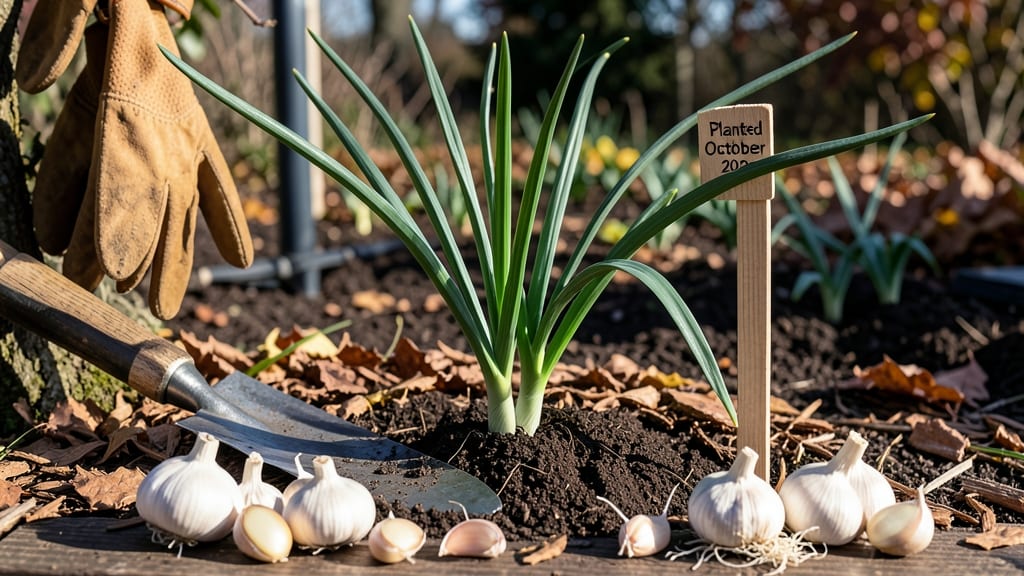
Planting garlic in Zone 5a at the wrong time can mean the difference between a bountiful harvest and a disappointing one. The key to growing hardy, flavorful 🧄 bulbs lies in understanding your region's frost dates and soil conditions—especially since fall planting is your best bet.
If you've ever wondered why some gardeners get perfect garlic while others struggle, it often comes down to timing. Zone 5a's short growing season demands precision: plant too early, and your cloves may sprout before winter; too late, and frost will stunt growth.
The ideal window is October to November, but there's more to it than just months.
In this guide, I'll break down the exact timing for hardneck vs. softneck varieties, soil prep tricks to protect against freezing, and how mulching can save your harvest.
Whether you're a first-time planter or a seasoned gardener, these tips will help you avoid common mistakes and grow garlic that rivals the grocery store—without the chemicals.
Let's dive into the perfect schedule for Zone 5a, so you can enjoy homegrown garlic by next summer. Trust me, your taste buds will thank you!
Zone 5a garlic planting calendar: exact dates for hardneck vs softneck varieties
In Zone 5a, timing your garlic planting is critical—fall is the gold standard, but spring offers a backup. Aim to plant 4-6 weeks before the ground freezes (typically mid-October to November), but hardneck varieties need slightly earlier dates than softnecks. This window ensures roots establish before winter dormancy.
Spring planting is possible but riskier—sow cloves in early March to April for a summer harvest. However, bulbs from spring-planted garlic are often smaller and less flavorful. For best results, prioritize fall planting and adjust based on your specific Zone 5a microclimate (northern areas may need earlier dates).
Soil temperature is your best guide: plant when soil cools to 40–50°F. Use a soil thermometer to avoid planting too early (which can cause rot) or too late (stunted growth). In Zone 5a, this usually aligns with late October to early November.
Hardneck varieties (like 'German White' or 'Music') need 60–70 days of cold to form bulbs, so plant them 4–6 weeks before softnecks. Softnecks (e.g., 'Silverskin') tolerate milder winters and can go in slightly later. Always check your last frost date—Zone 5a’s average is November 15.
| Variety Type | Optimal Planting Window (Zone 5a) | Cold Requirement | Bulb Maturity | Key Notes |
|---|---|---|---|---|
| Hardneck (e.g., 'German White', 'Music') | Late October – Early November | 60–70 days below 40°F | Mid-July to August | Best flavor; needs early planting |
| Softneck (e.g., 'Silverskin', 'Artichoke') | Early November – Mid-November | 40–50 days below 40°F | Late July – Early August | Stores longer; tolerates milder winters |
| Spring-Planted (Any Variety) | Early March – April | None (harvest same year) | July – August | Smaller bulbs; lower yield |
For Zone 5a’s northern sub-regions (e.g., Minnesota, Upstate New York), plant hardnecks by October 15 to ensure sufficient cold exposure. Southern sub-regions (e.g., Northern Indiana, Southern Wisconsin) can extend planting to November 1.
Always account for unpredictable early frosts—cover seedlings with straw mulch if frost threatens prematurely.
Spring planting in Zone 5a requires earlier sowing (March) to avoid summer heat stress. Hardnecks may not bulb properly if planted too late, while softnecks can handle the shorter season. If choosing spring, select smaller cloves (they sprout faster) and expect 30–50% smaller bulbs than fall-planted garlic.
Pro tip: Pre-sprout cloves indoors 2–3 weeks before planting to jumpstart growth. Place peeled cloves in a jar of water in a sunny window—once roots emerge (about 10–14 days), plant them immediately. This trick gives your garlic a 2-week head start in cold soil.
After planting, mulch heavily (4–6 inches of straw) to insulate bulbs through winter. Remove mulch in early spring to prevent rot and encourage regrowth. Monitor for voles or deer, which may dig up newly planted cloves—use wire mesh cages if needed.
Zone 5a gardeners often ask: "Can I plant garlic in December?" The answer is yes, but with caution. December planting is only viable if your soil hasn’t frozen solid. Test with your finger—if soil is firm but not rock-hard, proceed. Otherwise, wait until early spring.
Track your garlic’s progress with a planting journal. Note soil temps, frost dates, and harvest sizes each year to refine your timing. Over time, you’ll master the perfect Zone 5a window for garlic that rivals commercial quality—just 4 inches deep and 6 inches apart, with patience and precision.
Zone 5a garlic planting calendar: exact dates for hardneck vs softneck varieties
In Zone 5a, garlic thrives when planted during the fall, but timing depends on your last frost date and whether you’re growing hardneck or softneck varieties. For most of Zone 5a, aim to plant 4-6 weeks before the ground freezes—typically between mid-October and early November.
This window ensures roots establish before winter dormancy.
Hardneck garlic (rocmb varieties) prefers cooler temperatures and performs best when planted in late October. Softneck varieties, like Silverskin, tolerate slightly warmer soils and can go in as late as early December in milder microclimates.
Adjust based on your average first frost date—Zone 5a ranges from November 15 to December 1.
| Variety Type | Optimal Planting Window | Soil Temp Requirement | Key Notes |
|---|---|---|---|
| Hardneck (e.g., 'German White', 'Music') | Mid-October to late October | 45–55°F (7–13°C) | Best for cold climates; produces scapes |
| Softneck (e.g., 'Artichoke', 'Silverskin') | Late October to early December | 50–60°F (10–16°C) | Tolerates warmer soils; stores longer |
| Spring Planting (Risky) | Early March to mid-April | 40–50°F (4–10°C) | Smaller bulbs; higher pest risk |
Spring planting is possible but not recommended in Zone 5a. If you must plant in spring, do so by mid-April to avoid bolting (premature flowering). Hardneck varieties planted in spring often bolt early, reducing bulb size.
For best results, stick to fall planting and use a planting calendar based on your local frost dates.
Pro tip: Use a soil thermometer to confirm soil temps are below 50°F (10°C) before planting. In Zone 5a, this usually aligns with late October for hardnecks.
Overheated soil can cause garlic to sprout too early, leading to weak bulbs. Mulch with 4–6 inches of straw after planting to insulate roots.
In northern Zone 5a (e.g., Minnesota, Maine), plant by October 15 to avoid early freezes. In southern Zone 5a (e.g., Ohio, Pennsylvania), you can extend planting until November 1. Always check your local USDA frost map for precise adjustments.
Remember: Garlic needs 6–8 months to mature. Planting too late in fall means bulbs won’t fully develop before summer heat. Aim for a harvest window of July–August by timing your fall plantings correctly.