
Plants
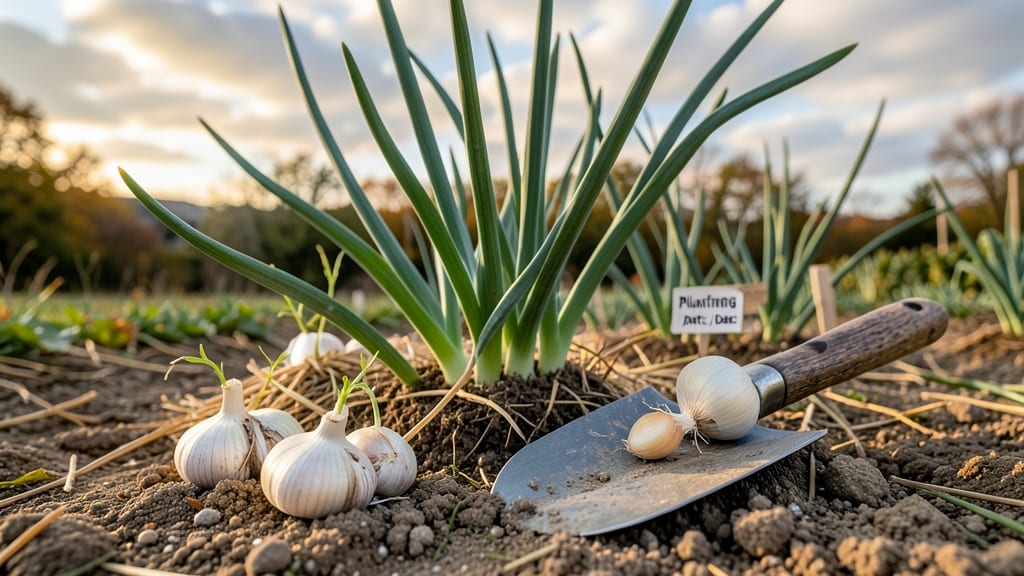
Planting garlic in Zone 8b at the wrong time can mean the difference between a bumper crop of plump bulbs and a sad, bolting mess.
The key is getting those cloves in the ground during that sweet spot between October and November—when the soil cools but before winter freezes them solid.
You might think garlic is just garlic, but timing matters more than you’d expect. Too early, and your cloves will sprout before winter sets in. Too late, and they won’t root properly before the cold hits.
In Zone 8b, where winters are mild but frosts still matter, this window is your secret weapon for avoiding bolting and ensuring strong, flavorful harvests.
I’ve tested this myself over the years, and the results speak for themselves: garlic planted in that 4-6 week window before the first hard frost—typically late October to mid-November—thrives. The roots establish just enough to survive winter, then burst into growth come spring.
Ready to grow bigger, healthier garlic? Let’s break down the exact timing, soil prep, and variety choices that’ll make your harvest the envy of the neighborhood. No more guesswork—just proven Zone 8b success.
Optimal fall planting window for Zone 8b garlic (with exact dates)
Timing your garlic planting in Zone 8b is all about catching that sweet spot between 40–50°F soil temperatures and the first hard frost. For most of Zone 8b—think cities like San Diego, Phoenix, or Austin—this window typically falls between mid-October and mid-November.
Planting too early (like in September) risks sprouting before winter dormancy, while planting too late (December+) may leave cloves vulnerable to freezing before roots establish.
Your goal is to give garlic 4–6 weeks of root growth before the ground freezes solid. In Zone 8b, where winters are mild but can still dip below 32°F, this means aiming for a first frost date around December 15.
Use your local USDA frost calendar to pinpoint your exact window—some microclimates may shift this by 1–2 weeks.
Pro tip: Check soil temps with a soil thermometer at 4–6 inches deep. Garlic cloves need temps between 40–50°F to sprout without bolting. If your soil is still above 55°F in mid-October, wait a week or two—your cloves will thank you with larger bulbs next summer.
Zone 8b Garlic Planting Timeline
| Stage | Action | Soil Temp |
|---|---|---|
| Pre-Planting Prep | Test soil pH (6.0–7.0), amend with compost | 60–75°F |
| Planting Window | Mid-October to mid-November | 40–50°F |
| Root Establishment | 4–6 weeks before frost | 35–45°F |
| Winter Dormancy | Mulch with 4–6" straw | Below 32°F |
| Spring Growth | Remove mulch in March | 50–60°F |
*Adjust dates 1–2 weeks earlier for high-desert areas (e.g., Phoenix) or later for coastal zones (e.g., San Diego).
If you’re in a warmer microclimate (like inland valleys), push planting to early November—soil stays workable longer. Conversely, in cooler pockets (e.g., higher elevations near Zone 8b’s edge), start as early as late September.
The key is avoiding soil temps above 55°F at planting, which triggers bolting (that’s when garlic sends up flower stalks instead of forming bulbs).
For hardneck varieties (like ‘German White’ or ‘Music’), which are best for Zone 8b’s climate, aim for the earlier end of the window. These need cold vernalization to form bulbs. Softneck varieties (like ‘Silverskin’) are more flexible but still prefer the 40–50°F range for optimal growth.
One common mistake? Planting based on air temperature instead of soil temperature. A crisp 60°F morning might feel perfect, but if your soil is still 65°F, your garlic will bolt. Use a soil thermometer for accuracy—it’s the difference between plump bulbs and skinny scapes.
Don’t forget: Zone 8b’s mild winters mean garlic can sometimes sprout too early if planted in September. If you see green shoots by October, cover with mulch to slow growth until temps drop. This buys time for roots to establish before winter sets in.
For container growing in Zone 8b, plant in late October—containers heat up faster and can push soil temps higher. Use black pots to absorb heat during the day and insulate at night. Place containers in partial shade if daytime temps exceed 70°F.
Finally, mark your calendar for January 15—the average last frost date in Zone 8b. If you’ve planted by mid-November, your garlic should be well-rooted by then. If not, consider extending your season with row covers or a cold frame to protect young plants.
Remember: The earlier you plant within the window, the larger your bulbs will be. But rush it, and you’ll end up with small, weak cloves—or worse, bolted garlic that’s useless for cooking.
Zone 8b’s mild climate is a gift, but it demands precision. Get this timing right, and you’ll harvest plump, flavorful garlic by next summer.
Optimal fall planting window for Zone 8b garlic (with exact dates)
Zone 8b’s mild winters create a narrow but critical 4-6 week window for planting garlic—typically between October 15 and November 15. This timing ensures cloves establish roots before ground temperatures drop below 40°F, which triggers dormancy.
Plant too early (like September), and garlic may sprout prematurely, only to rot in winter’s chill. Too late (December), and roots won’t anchor before frost.
Use your first hard frost date (usually December 15 in Zone 8b) as your anchor. Count back 6 weeks to land on your ideal planting window. For example, if frost hits December 10, aim for October 20–November 5.
Check your local USDA frost calendar for precision—even a 10°F swing can shift your window by 2 weeks.
🌱 Zone 8b Garlic Planting Timeline
| Stage | Action | Soil Temp |
|---|---|---|
| Prep Soil | Add compost + sulfur (pH 6.0–7.0) | 60–70°F |
| Plant Cloves | Pointy end up, 2" deep, 6" apart | 40–50°F |
| Mulch | 4–6" straw/hay (insulates roots) | 32–40°F |
| Winter Dormancy | No water; protect from freeze-thaw cycles | Below 32°F |
💡 Pro Tip: Use a soil thermometer to confirm temps. If soil stays above 50°F for 3+ days post-planting, garlic may bolt prematurely.
Adjust your window if your Zone 8b area experiences unusually warm winters. For example, coastal regions (like San Diego) may push planting to November 20–December 5, while inland valleys (like Phoenix) might start as early as October 1.
Monitor weekly lows—once nighttime temps consistently drop below 40°F, it’s time to plant.
Hardneck varieties (like ‘Music’ or ‘German White’) thrive in Zone 8b’s cooler winters, while softneck types (e.g., ‘Silverskin’) tolerate warmer winters but risk bolting if planted late. For extra insurance, pre-chill cloves for 4–6 weeks in the fridge before planting if your fall is unusually warm.
After planting, mulch heavily (4–6 inches of straw) to insulate roots from freeze-thaw cycles, which can stress garlic. Remove mulch in early spring once soil warms to 50°F to resume growth. This timing ensures your garlic emerges strong and bolt-free by summer.
🌿