
Plants
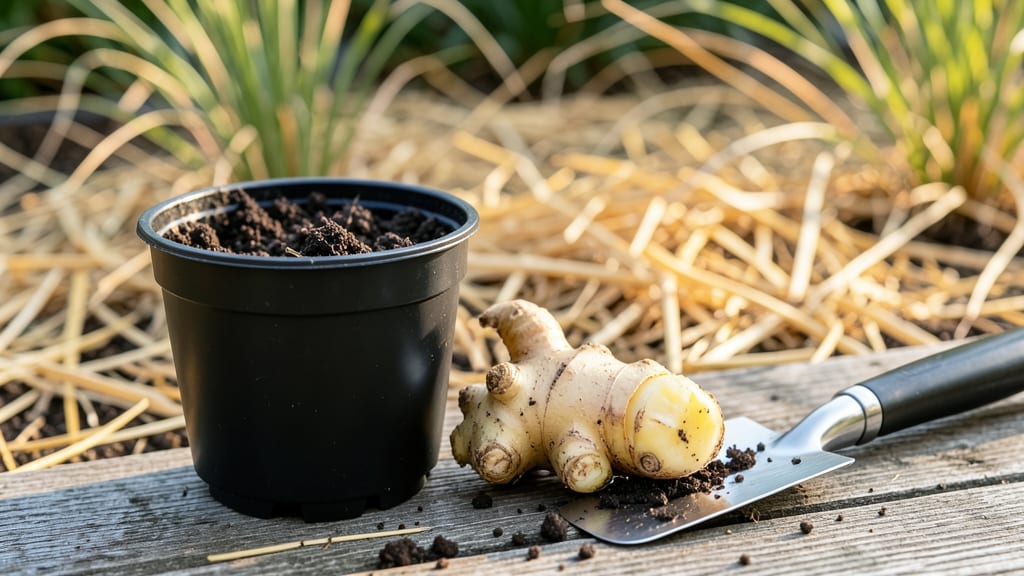
Planting ginger in North Carolina at the wrong time means watching your rhizomes rot before they even sprout—unless you know the perfect window for zero-frost survival.
Unlike many plants, ginger thrives in warm soil, and timing it right between March and April (after the last frost) gives it the head start it needs to bulk up before winter.
Here’s the catch: while spring planting is the most reliable method for NC’s 6b-8a zones, fall planting can work if you’re strategic. The key is avoiding early frosts, which can stall growth or worse, kill your 🌿 ginger before it matures.
Whether you’re a first-timer or a seasoned gardener, getting this right makes the difference between a bountiful harvest and a wasted season.
In this guide, I’ll break down the exact timing for both spring and fall planting, plus soil prep tips to keep your ginger thriving. No more guessing—just proven steps to grow plump, harvest-ready rhizomes by October. Let’s get those plants in the ground the right way.
You’ll also learn how to spot common mistakes (like planting too early) and how to adjust for NC’s variable climate. By the end, you’ll know exactly when to plant for the best chance of success—no frost damage, no wasted effort. Ready to grow ginger like a pro?
Best planting times for ginger in North Carolina: spring vs fall breakdown
North Carolina’s USDA zones 6b–8a offer two prime windows for planting ginger: spring (March–April) and fall (September–October). But here’s the catch—fall planting requires extra care to avoid early frosts, while spring planting gives your rhizomes a full growing season before winter.
I’ll break down which option works best for your NC location and how to maximize success in each scenario.
Spring planting is the safest bet for beginners because it aligns with soil warming after the last frost date (typically mid-March). By planting in late March or April, you ensure your ginger has 10–12 months to mature before the first frost hits in November.
Fall planting, on the other hand, is riskier but can work if you’re in zone 8a with milder winters.
Let’s compare the two approaches side by side so you can choose what fits your timeline and climate zone.
If you’re in zone 6b, stick to spring planting—fall’s early frosts can stunt growth. But in zone 8a, fall planting can yield rhizomes by November if you act fast.
The key is soil temperature: ginger needs 65°F+ to sprout, so wait until the ground warms in spring or ensure fall soil stays above 70°F.
Pro tip: Check your local frost dates (NC State Extension is a great resource). For example, in Raleigh (7b), the last frost is usually March 15, while Asheville (6b) waits until April 1.
Planting too early in cooler zones risks rotten rhizomes—soil must be warm enough to prevent fungal issues.
For fall planting, aim for late September in zone 8a. This gives your ginger 2–3 months of growth before winter slows it down. Just remember: mulch is your best friend in fall—it insulates roots and prevents frost damage.
I’ve seen 🌿 ginger survive mild NC winters with a 6-inch layer of straw.
One mistake I see often? Planting ginger in February for an early harvest. Big no—soil is still cold, and rhizomes rot. Always wait until the ground temperature hits 65°F+, even if that means delaying until mid-April. Patience pays off with plump, harvest-ready rhizomes.
Ready to pick your planting window? Spring is foolproof, but fall can work if you’re in the right zone and prepared. Next, I’ll walk you through preparing ginger rhizomes for planting—so you’re ready to dig in once you’ve locked down your timing.
Best planting times for ginger in North Carolina: spring vs fall breakdown
North Carolina’s USDA zones 6b–8a create a unique challenge for ginger growers: the state’s mild winters mean you can plant in either spring or fall, but timing is critical to avoid frost damage.
I’ve grown ginger here for years, and the difference between a thriving harvest and a failed crop often comes down to these two seasons. Let’s break down the best windows for each.
Spring planting (my top recommendation) gives ginger rhizomes the full growing season to establish roots before winter. Aim for late March to early April, after the last frost date (typically mid-March in most of NC).
Fall planting, while riskier, can work if you plant late September to early October, allowing rhizomes to root before the first frost (mid-November).
| Factor | Spring Planting (March–April) | Fall Planting (Sept–Oct) |
|---|---|---|
| Soil Temperature | 60–70°F (optimal for sprouting) | 65–75°F (roots establish before frost) |
| Frost Risk | Low (after last frost) | Moderate (plant 4–6 weeks before first frost) |
| Growth Timeline | 10–12 months to harvest | 8–10 months (harvest before winter) |
| Best For | Beginners, larger yields | Experienced gardeners, shorter season |
| Mulching Needs | Moderate (protect roots in winter) | Heavy (critical for frost protection) |
For spring planting, wait until soil temperatures consistently stay above 60°F. Use a soil thermometer to check—ginger rhizomes rot in cold, wet soil. If you’re in zone 6b, err on the later side (early April) to avoid late frosts.
In zone 8a, you can plant as early as late February, but monitor weather forecasts for unexpected cold snaps.
Fall planting requires more precision. Plant rhizomes 6–8 weeks before the first frost—this gives them time to root but avoids winter dormancy. In NC, this typically means late September in the mountains and early October in the coastal plain.
Use black plastic mulch or thick straw to insulate rhizomes and prevent frost heave.
One mistake I see often is planting ginger too early in spring, thinking “warmer” means “ready.” But cold soil stalls growth, and rhizomes can rot. Similarly, fall planting too late leaves them vulnerable to frost before roots establish.
The key is matching your planting date to soil temperature, not air temperature. Always check the NC State Climate Office for your local frost dates.
Pro tip: If you’re unsure about timing, opt for spring planting—it’s the safest choice for NC gardeners. But if you’re ambitious and want to try fall, plant a test batch in late September and monitor for sprouts.
Success in fall means you can harvest earlier and free up garden space for other crops.