
Plants
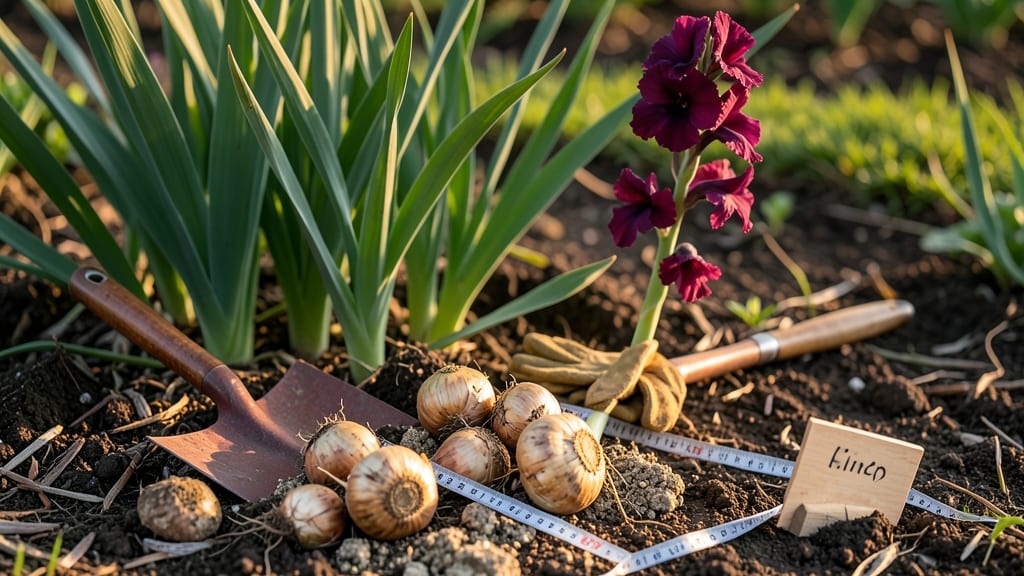
Planting gladiolus bulbs in Chicago requires perfect timing—get it wrong, and you’ll either lose them to frost or miss out on those stunning 🌸 summer blooms entirely.
The key is waiting until after the last frost, which typically lands in mid-May for USDA Zone 6a, ensuring your bulbs have the warmth they need to thrive.
If you’ve ever wondered why some gardeners get lush gladiolus displays while others struggle, the answer often comes down to planting too early. These bulbs hate cold soil, so rushing them before the ground warms to 60°F+ can stunt their growth or worse—kill them outright.
Here’s the good news: with the right approach, you can enjoy vibrant gladiolus flowers from July through September. I’ll walk you through the exact steps—from preparing your soil to spacing and planting depth—to give your bulbs the best possible start in Chicago’s climate.
Ready to transform your garden? Let’s dive into the game-changer for timing, soil prep, and care that’ll have your gladiolus standing tall and proud all summer long.
Chicago’s last frost date: the critical window for gladiolus planting
Timing your gladiolus bulbs perfectly in Chicago means waiting for the last frost date, which typically falls around mid-May for USDA Zone 6a. This is non-negotiable—gladiolus bulbs won’t tolerate cold soil, and planting too early risks stunted growth or death from frost.
The key is checking local frost data to confirm your exact window.
For reliable frost dates, I always cross-reference the USDA Plant Hardiness Zone Map with Chicago’s historical averages. The National Weather Service also provides real-time frost alerts, which can shift your planting date by a week or more if late frosts occur.
Pro tip: Use a soil thermometer to confirm the ground has warmed to 60°F or higher before planting.
Here’s the critical timeline: Aim to plant gladiolus bulbs 4-6 weeks after your last frost date. In Chicago, this usually means late May to early June.
If you plant earlier, your bulbs may rot in cold, wet soil. If you wait too long, you’ll miss the July-September bloom season entirely.
Chicago’s climate adds another layer of complexity. The city’s urban heat island effect can make microclimates warmer in some areas, while rural suburbs may stay cooler.
To account for this, I always plant a few bulbs in early May as a test—if they survive, I know the soil is warm enough for the rest.
| Timing Factor | Chicago Specification |
|---|---|
| Last Frost Date | Mid-May (varies yearly) |
| Soil Temperature | 60°F+ (use soil thermometer) |
| Planting Window | Late May - Early June |
| Frost Risk After Planting | Low (if planted after last frost) |
| Bloom Season | July - September |
Before planting, I always prepare my gladiolus bulbs by soaking them in a fungicide solution for 30 minutes. This prevents rot and fungal diseases, which are common in Chicago’s humid summers.
After soaking, I let them dry in a shady spot for a few hours to prevent mold. This simple step has saved my bulbs from multiple failed plantings in the past.
Chicago’s clay-heavy soil can also be a challenge. To improve drainage, I mix in compost and perlite before planting. This ensures water doesn’t pool around the bulbs, which is critical for preventing rot.
If your soil is particularly dense, consider planting in raised beds for even better control over drainage and warmth.
One common mistake I see is planting gladiolus bulbs too shallowly. These bulbs need to be buried 4-6 inches deep—any less, and they’ll flop over or fail to establish roots properly.
I always use a bulb planter to ensure consistent depth, especially when planting in rows. Mark your rows with stakes or flags to avoid disturbing the bulbs later.
Finally, don’t forget to stake your taller varieties as they grow. Chicago’s windy conditions can cause gladiolus stems to snap under their own weight. I use bamboo stakes or tomato cages for support, tying the stems loosely with soft plant ties.
This keeps your blooms upright and looking their best all summer long.
With the right timing and prep, your gladiolus will reward you with stunning, long-lasting blooms that brighten up Chicago’s summer gardens. The effort is worth it—just wait until you see those 🌸 towering spikes of color!
Step-by-step gladiolus planting guide for Chicago gardens
Now that you’ve confirmed your last frost date and soil temperature, it’s time to plant your gladiolus bulbs with precision. The difference between a thriving garden and a failed planting often comes down to these three critical factors: depth, spacing, and soil preparation.
In Chicago’s climate, getting these right ensures your bulbs establish strong roots before summer heat arrives.
Start by preparing your soil with a mix of compost and perlite to improve drainage—a must in Chicago’s clay-heavy soil. Work the amendments into the top 12 inches of soil, breaking up any compacted areas.
This step alone can prevent the rot and fungal issues that plague many Chicago gardeners. Test your soil’s moisture level before planting; it should feel like a well-wrung sponge—damp but not soggy.
- 1 Soak bulbs in fungicide solution for 30 minutes to prevent rot
- 2 Plant bulbs 4-6 inches deep with pointed end facing upward
- 3 Space bulbs 6-8 inches apart in rows 12-18 inches apart for airflow
- 4 Water deeply immediately after planting to settle soil around bulbs
- 5 Apply 2 inches of mulch around (not over) bulbs to retain moisture
- 6 Install stakes or cages for tall varieties (3+ feet) as they emerge
One mistake I see repeatedly is overcrowding bulbs to save space. While it might seem efficient, planting gladiolus too closely leads to poor airflow, increasing the risk of fungal diseases like botrytis.
Stick to the 6-8 inch spacing between bulbs and 12-18 inches between rows—this gives your plants room to grow without competing for nutrients.
After planting, water deeply and thoroughly to eliminate air pockets around the bulbs. Use a soaker hose or drip irrigation to avoid disturbing the soil surface. In Chicago’s dry summers, maintain consistent moisture but never let the soil stay soggy.
A good rule of thumb is to water when the top 2 inches of soil feel dry to the touch. Mulching with straw or shredded leaves helps retain moisture and regulate soil temperature.
For tall gladiolus varieties (like 'Friendship' or 'Pink Parfait'), install support stakes as soon as the shoots reach 6 inches tall. Chicago’s windy conditions can easily snap these 4-5 foot stems.
I recommend using bamboo stakes or tomato cages and tying the stems loosely with soft plant ties or old pantyhose. This support isn’t just for aesthetics—it prevents broken stems and ensures your blooms stay upright for cutting.
Finally, avoid the temptation to fertilize immediately after planting. Wait until you see new shoots emerging (usually 2-3 weeks later), then apply a balanced 10-10-10 fertilizer at half strength. This gives your gladiolus a gentle nutrient boost without overwhelming the young roots.
Throughout the growing season, feed every 4-6 weeks with the same fertilizer to support those show-stopping summer blooms.