
Plants
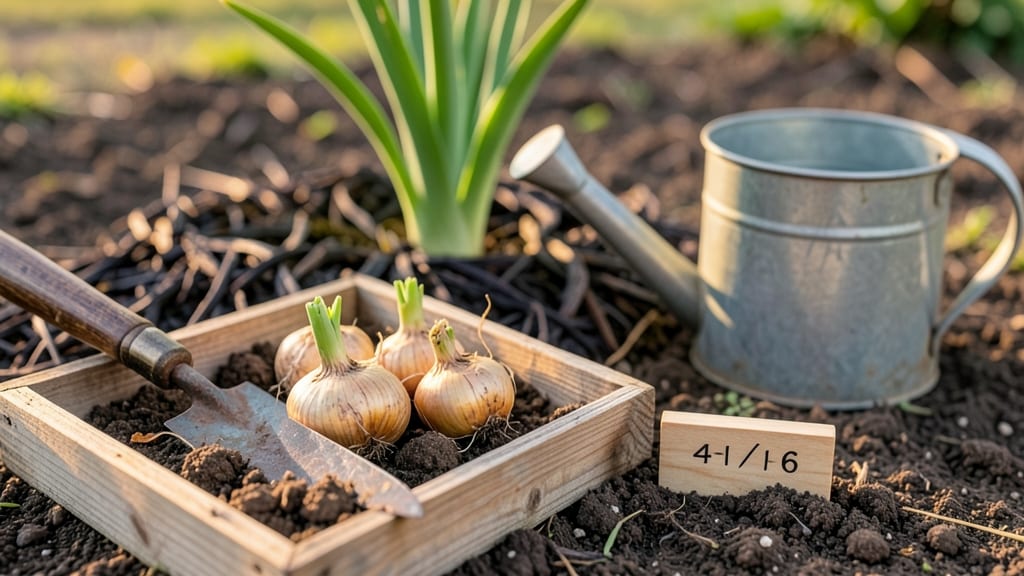
Planting gladiolus bulbs at the wrong time in the UK could mean watching your 🌸 gladiolus dreams wither before they even bloom.
The secret to vibrant summer flowers lies in getting those corms into the ground at the perfect moment—after the last frost but before the soil gets too hot.
Most UK gardeners in zones 8a-9a should aim for April to June, when daytime temperatures consistently stay above 10°C. But here's the catch: Scotland's cooler climate means you might need to wait until late May, while southern England can start as early as March in sheltered spots.
Why does timing matter so much? Gladiolus bulbs need warm soil to sprout, but they'll rot if planted too early. I'll show you exactly how to check soil readiness and adjust for your local microclimate—so you can avoid the most common UK planting mistakes that kill blooms before they begin.
From chitting bulbs indoors to understanding regional frost patterns, these spring planting secrets will give your gladiolus the head start they need. Let's get those 🌸 beauties growing strong and healthy—without any frost-related surprises.
UK gladiolus planting calendar: exact weeks for frost-free success
Gladiolus bulbs thrive in the UK when planted after the last frost date, but timing varies by region. In England and Wales, aim for mid-April to early June, while Scotland’s cooler climate may delay planting until late May.
The key is soil temperature—wait until it reaches 10°C (50°F) at 10cm depth.
Use the Met Office frost forecast or local USDA Zone 8-9 guidelines. For example, London gardeners can plant in early April, while Edinburgh’s shorter season pushes planting to late May. Check your last frost date and add 2-3 weeks for safe growth.
Here’s your UK gladiolus planting calendar broken down by region, including ideal soil temps and bloom windows:
| Region | Planting Window | Soil Temp (°C) | Bloom Time |
|---|---|---|---|
| England (South) | Mid-April to early May | 10-12°C | July-August |
| England (North) | Late April to early June | 8-10°C | August-September |
| Wales | Early May to mid-June | 9-11°C | July-August |
| Scotland | Late May to early June | 7-9°C | August-September |
For container gardening, plant 2-3 weeks earlier than ground planting, as pots warm faster. Use black plastic mulch to raise soil temperature by 2-3°C if your region runs late. Test soil moisture—dry soil slows warming, so water lightly before planting.
Pro tip: Mark your calendar for June 21st (summer solstice). Planting by this date ensures 120+ days of growth before first frost. In warmer microclimates (e.g., coastal areas), you can extend planting to early July for late-season blooms.
If you’re in a frost-prone valley, opt for earlier varieties like ‘Green Star’ (90-day bloom) or ‘Picasso’ (105-day bloom). These short-season gladiolus thrive even with shorter UK summers. Always plant 4-6 inches deep to protect corms from late frosts.
Monitor local weather forecasts for unexpected cold snaps. If frost threatens after planting, cover bulbs with garden fleece or straw mulch. This emergency protection can save your gladiolus investment and ensure vibrant summer displays.
Remember: Late planting = smaller blooms. If you miss the window, try indoor forcing—plant corms in pots in March under grow lights for earlier flowers. Just ensure pots have drainage holes to prevent rot.
For maximum blooms, pair gladiolus with companion plants like marigolds (pest control) or lavender (attracts pollinators). These UK-friendly pairings boost your garden’s summer appeal while keeping gladiolus healthy.
How to prepare gladiolus bulbs for UK planting: pre-treatment tips
Preparing your gladiolus bulbs before planting in the UK is the secret to stronger stems and earlier blooms. Since UK soils can be cool and slow to warm, a little prep work ensures your corms get a head start on growth.
I’ve found that chitting and soil warming make all the difference in my garden.
Start by inspecting each bulb for signs of rot or damage. Discard any that feel mushy or have soft spots—these won’t survive planting season. Healthy corms should be firm and plump with tight scales.
If you’re planting in March or early April, give them a 2-3 week head start indoors to boost early growth.
Here’s how I prepare my bulbs for UK planting—step by step—for frost-free success:
Place bulbs in a cool, bright spot (like a windowsill) with temperatures between 10-15°C. This encourages root growth before planting.
UK soils can be chilly in spring. Warm the soil by covering it with black plastic or mulch 1-2 weeks before planting.
Soak bulbs in lukewarm water for 1 hour before planting to hydrate dormant tissues and kickstart growth.
In cooler UK regions (e.g., Scotland), plant 1-2 weeks later than southern England to avoid late frosts.
Dig holes 4-6 inches deep—deeper in sandy soils to retain moisture, shallower in clay to prevent rot.
After prepping, plant your gladiolus corms in well-draining soil with compost mixed in. Space them 4-6 inches apart to allow airflow and reduce disease risk. In my garden, this method ensures blooms by early July, just in time for summer displays.
One final tip: If you’re in a frost-prone area, consider using cloche covers for the first few weeks after planting. This extra protection gives young shoots a fighting chance against unpredictable UK weather.
With these steps, your gladiolus will thrive in UK conditions, rewarding you with tall, vibrant blooms all summer long! 🌸