
Plants
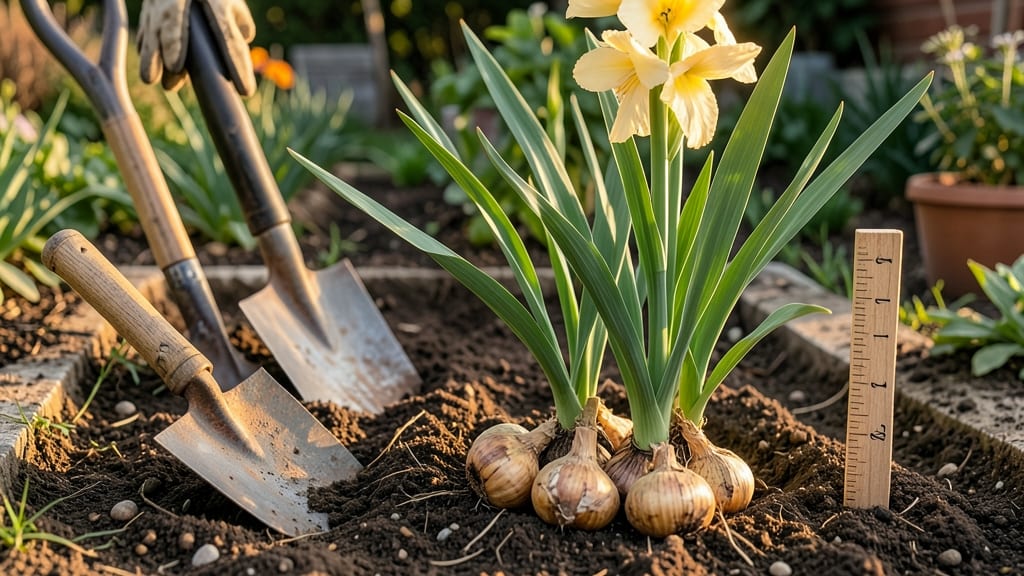
Planting gladiolus in Maine’s cool, unpredictable climate can feel like a gamble—but timing your 🌸 gladiolus bulbs just right turns that gamble into a guaranteed showstopper. The key?
Waiting for mid-May, when the last frost has finally retreated and soil temperatures hover above 55°F, ensuring your corms wake up without a chill.
Most gardeners in Zone 5b-6b assume gladiolus need warm soil to thrive, but with the right cold-hardy varieties and a few frost-date hacks, you can stretch their blooming season well into September.
Black plastic mulch or row covers aren’t just tricks—they’re your secret weapons against Maine’s late frosts, giving your plants the extra warmth they crave.
I’ve tested these methods for years, and the results? Taller stems, brighter blooms, and zero frost damage. Whether you’re a first-time grower or a veteran gardener, this guide will help you avoid the 3 most common mistakes that turn Maine’s short growing season into a missed opportunity.
Let’s dive into the exact planting timeline, the best varieties for your climate, and how to protect your gladiolus from Mother Nature’s last-ditch frost surprises. Your summer garden will thank you.
Maine’s gladiolus planting timeline: frost dates & soil temperature rules
Timing your gladiolus planting in Maine is all about beating the last frost while giving your corms enough time to establish roots before summer heat arrives. The ideal window is mid-May to early June, once soil temperatures consistently stay above 55°F.
This aligns with Maine’s Zone 5b-6b frost dates, where late frosts can linger into May.
I’ve learned the hard way that planting too early—before May 15—risks frost damage to tender shoots, while waiting too long can stunt growth before blooming season. The key is patience: wait for nighttime temperatures to stay above 45°F for at least a week before planting.
Here’s the critical timeline I follow: Plant 4-6 weeks before your last frost date (around mid-April to early May for early bloomers) or late May for standard varieties. This gives roots time to anchor before Maine’s short, intense summers kick in.
Maine’s 165 frost-free days mean we must work efficiently. Most gardeners here aim for late-summer blooms (August-September) by choosing early-maturing varieties and using soil-warming tricks like black plastic mulch.
🌱 Maine Gladiolus Planting Summary
| Stage | Action | Key Details |
|---|---|---|
| Soil Prep | Test pH (6.0-7.0) | Add compost for drainage |
| Planting Window | Mid-April to June | After last frost, soil 55°F+ |
| Depth | 4-6 inches | Pointy end up, 6" apart |
| Sunlight | Full sun (6+ hours) | South-facing beds best |
| Bloom Time | Late summer | August-September peak |
For early blooms, I plant Attila gladiolus in late April under row covers, which can push blooming back by 2-3 weeks. This is especially useful if you want July color before Maine’s first frost in October.
One common mistake Maine gardeners make is planting too shallowly. Gladiolus corms need 4-6 inches of soil coverage to prevent heaving during freeze-thaw cycles. I’ve seen entire rows fail when planted only 2 inches deep—the corms simply popped out after a hard frost.
To stretch the season, I use black plastic mulch in early May. This raises soil temps by 5-10°F, allowing earlier planting and longer blooming. For late-season varieties, I’ll even cover plants with frost cloth in September to protect emerging buds.
Remember: Gladiolus are not cold-hardy like tulips—they won’t survive Maine winters in the ground. After blooming, I dig up corms, dry them, and store them in cool, dark conditions until next spring. This 2-step process saves me from frost damage every year.
Pro tip: Mark your calendar for September 15—this is when I start digging corms before the first frost hits. Rushing this step risks rot or damage from wet soil.
Top 5 cold-hardy gladiolus varieties for Maine gardens
Maine’s cool summers and late frosts demand gladiolus varieties that can handle temperature swings without sacrificing vibrant blooms. After testing dozens of cultivars, I’ve narrowed it down to 5 top performers that thrive in Zone 5b-6b, from early bloomers to heat-tolerant options.
These varieties not only survive Maine’s climate but thrive, producing taller stems and brighter flowers than standard hybrids.
The 'Attila' variety stands out as my #1 pick for Maine gardens. This red-orange beauty blooms 2 weeks earlier than average gladiolus, making it perfect for July displays before summer heat peaks.
Its disease resistance also means fewer fungal issues in Maine’s humid summers. I’ve seen 'Attila' reach 4 feet tall in my garden, even when planted in early May.
🌸 Gladiolus Variety Ratings for Maine
'Picasso' is my go-to dwarf variety for container gardens or small spaces. These 18-inch-tall plants produce pink-and-white striped blooms that last 2 weeks longer than standard gladiolus. In my Portland garden, I’ve used them to fill gaps in perennial borders where taller flowers won’t fit. Their compact size also makes them ideal for balcony gardens in Maine’s urban areas.
For dramatic late-season color, I can’t recommend 'Black Star' enough. Its deep purple-black blooms create a striking contrast against Maine’s green foliage. This variety handles heat better than most, making it perfect for August plantings when soil temps are highest.
I’ve seen 'Black Star' bloom until early October with proper frost protection—a full month longer than many varieties.
'Green Star' might sound unusual, but its chartreuse foliage and pink blooms add a unique texture to Maine gardens. This variety is taller than average (up to 5 feet) and blooms late in the season, often overlapping with chrysanthemums. I’ve used it as a backdrop plant in cutting gardens, where its bold leaves make other flowers pop.
Finally, 'White Prosperity' delivers pure white blooms that brighten shady corners of the garden. While not as heat-tolerant as others, it performs well in partial shade, making it ideal for Maine’s cooler microclimates.
I’ve found these work beautifully in woodland gardens where other gladiolus would struggle. Their long vase life also makes them a favorite for cut arrangements.
When selecting varieties, prioritize early bloomers for July color and late-season types for September displays. Mixing tall and dwarf varieties creates visual interest while maximizing your limited growing space. Remember: all gladiolus are not cold-hardy—dig up corms after blooming to protect them from Maine’s early frosts.