
Plants
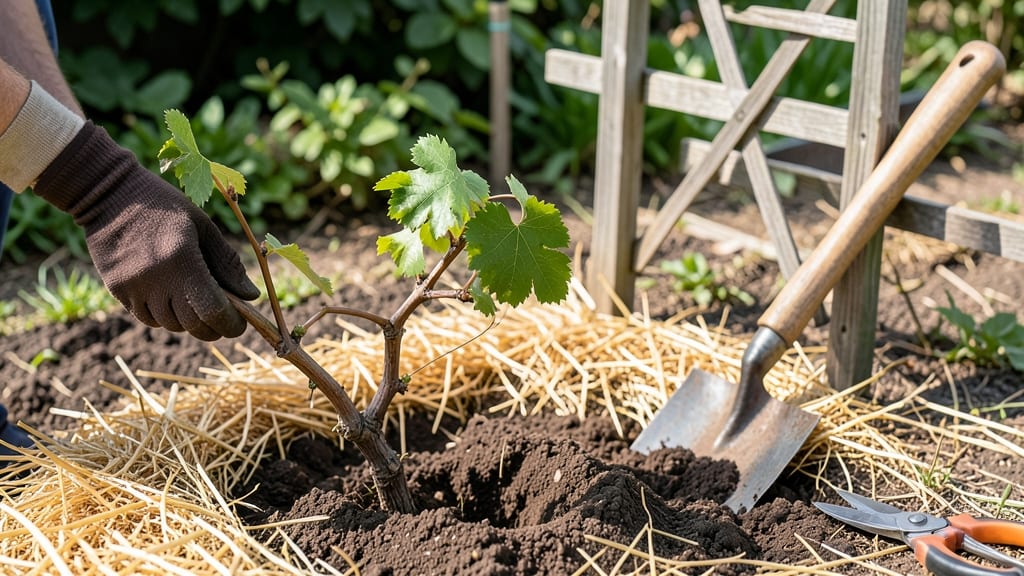
Planting grapes in California at the wrong time can turn your dream vineyard into a costly mistake—especially when coastal fog delays or inland heat spikes throw off your schedule. The best months to plant 🍇 depend on your region, variety, and whether you’re growing for wine, table grapes, or raisins.
I’ve helped California gardeners avoid common pitfalls by timing their grape plantings precisely—whether you’re in Zone 8-10 inland valleys or Zone 9-11 coastal areas. Late winter to early spring is your golden window, but the exact month matters more than you might think.
In this guide, I’ll break down the optimal planting windows for popular varieties like Cabernet Sauvignon, Zinfandel, and Flame Seedless, plus pro tips for adjusting to microclimates. No more guessing—just data-backed timing to set your vines up for a bountiful harvest.
Ready to plant with confidence? Let’s dive into the exact months that’ll give your grapes the best start—no matter where you are in the Golden State.
Best planting months for grapes in California by variety and climate zone
California’s diverse microclimates mean the perfect planting window for grapes varies dramatically—from coastal fog belts to inland heat zones. Whether you’re growing Cabernet Sauvignon for wine or Flame Seedless for snacks, timing is everything.
Let’s break down the ideal months by variety and USDA hardiness zone to ensure your vines thrive.
Most California gardeners plant grapes in late winter to early spring, but coastal areas can start as early as January, while inland valleys wait until March or April.
The key is avoiding late frosts (common in inland zones) and giving vines time to establish roots before summer heat arrives. For container-grown vines, you can plant year-round in mild zones (9-11), but bare-root vines need dormancy to succeed.
Here’s how to align your planting with California’s three main grape-growing regions: coastal, Central Valley, and desert. Each has unique frost risks, soil types, and sunlight patterns that dictate the best planting window for your favorite varieties.
| Variety | Best Planting Months | USDA Zone | Notes |
|---|---|---|---|
| Cabernet Sauvignon | February–March (coastal), March–April (inland) | 8–10 | Cold-hardy; needs well-draining soil to avoid root rot. |
| Zinfandel | March–April (all regions) | 9–11 | Heat-loving; avoid coastal foggy areas. |
| Chardonnay | January–February (coastal), February–March (inland) | 8–10 | Prefers cooler nights; prune aggressively for fruit quality. |
| Flame Seedless (Table Grapes) | March–April (all regions) | 9–11 | Drought-tolerant; ideal for home gardens and trellises. |
| Thompson Seedless (Raisins) | February–March (Central Valley) | 9–10 | Requires hot, dry summers; space vines 8–10 ft apart. |
| Syrah/Shiraz | March–April (inland), April (coastal) | 9–11 | Thrives in warm days/cool nights; prune for airflow. |
For coastal California (e.g., Santa Barbara, Sonoma), the longer frost-free season lets you plant as early as January. But watch for Pacific Ocean fog, which can delay bud break.
Inland valleys like Madera or Fresno have warmer winters but risk late frosts in March, so aim for April planting.
Desert regions (Palm Springs, Coachella Valley) are zone 9b–11 and can plant year-round, but summer heat stresses young vines.
If planting in June–August, use shade cloth and drip irrigation to protect roots. Fall planting (September–October) is risky due to high summer temps and limited root growth time.
Pro tip: Bare-root vines (cheaper and hardier) must be planted while dormant—typically November–March. Container-grown vines offer flexibility but cost more. If you’re in a hot inland zone, opt for cold-hardy rootstocks like Riparia or Rupestris to improve survival.
Soil prep is just as critical as timing. Well-draining soil with a pH of 6.0–7.0 is non-negotiable. Amend clay soils with compost or sand, and avoid planting in low-lying areas where frost or cold air pools. Mulch heavily after planting to retain moisture and regulate soil temperature.
🍇
How to adjust planting timing for California’s unique microclimates
California’s diverse microclimates—from foggy coastal regions to scorching inland valleys—create challenges for grape growers. Coastal areas like Santa Barbara experience delayed warming due to ocean breezes, while inland zones like the Central Valley face early heat spikes that can stress young vines.
Even elevation changes of just 1,000 feet can shift your ideal planting window by 2-4 weeks. Understanding these variations ensures your grapes establish strong roots before summer’s intensity.
For coastal gardeners, January through March is ideal because cooler temperatures reduce transplant shock. Inland growers should aim for February to April to avoid the 100°F+ heat that can bake young roots.
High-elevation areas (like Mount Shasta) may even extend planting into early May, but only for cold-hardy varieties like Concord or Flame Seedless. The key is matching your local last frost date with the vine’s dormancy period.
⚠️ CALLOUT WARNING ⚠️
Mistake: Planting Zinfandel or Tempranillo in San Francisco’s coastal fog belt after March risks root rot from prolonged dampness. Fog delays soil warming by 3-6 weeks, giving fungi time to attack tender roots.
Fix: Test soil temperature—wait until it hits 55°F+ at 10-inch depth. Use well-draining soil mixes with 50% compost to prevent waterlogging. For fog-prone areas, opt for cold-tolerant rootstocks like Riparia Gloire or 1103 Paulsen to buffer against chill.
Soil preparation is non-negotiable in California’s varied climates. Coastal soils often lack nutrients due to high organic matter leaching from rain, so amend with aged manure or worm castings before planting.
Inland areas, however, may suffer from compacted clay that bakes hard in summer—break it up with gypsum or coarse sand to improve drainage. Elevation matters too: At 3,000+ feet, soils stay cooler longer, so add black plastic mulch to warm the root zone faster.
Irrigation strategies must adapt to your microclimate. Coastal growers should use drip irrigation with emitters spaced 12 inches apart to mimic natural fog moisture without overwatering.
Inland vines need deep, infrequent watering—think 2-3 gallons per vine every 10-14 days—to encourage deep root growth. Heat spikes after planting (common in Central Valley) can cause transplant shock, so shade young vines with 50% shade cloth for the first 2-3 weeks until roots establish.
Choosing the right rootstock vs. variety combo is your secret weapon. Tender varieties like Cabernet Sauvignon need heat-loving rootstocks such as 140 Ruggeri for inland zones, while coastal plantings benefit from disease-resistant rootstocks like Schwarzmann.
For high-elevation sites, pair European wine grapes with American hybrid rootstocks (e.g., Freedom or Harmony) to handle cold snaps and short growing seasons. Always check your USDA zone—even within California’s Zone 9, a 500-foot elevation gain can drop temps by 3-5°F.
Pro tip: Use mulch strategically. In coastal areas, apply straw mulch to insulate roots from nighttime chills, while inland growers should use gravel or wood chips to reflect summer heat away from the soil.
Monitor your vines’ canopy temperature—if leaves feel hotter than 90°F in full sun, it’s time to prune for airflow or add shade. With these adjustments, your grapes will thrive regardless of whether you’re battling coastal fog or desert heat. 🌱