
Plants
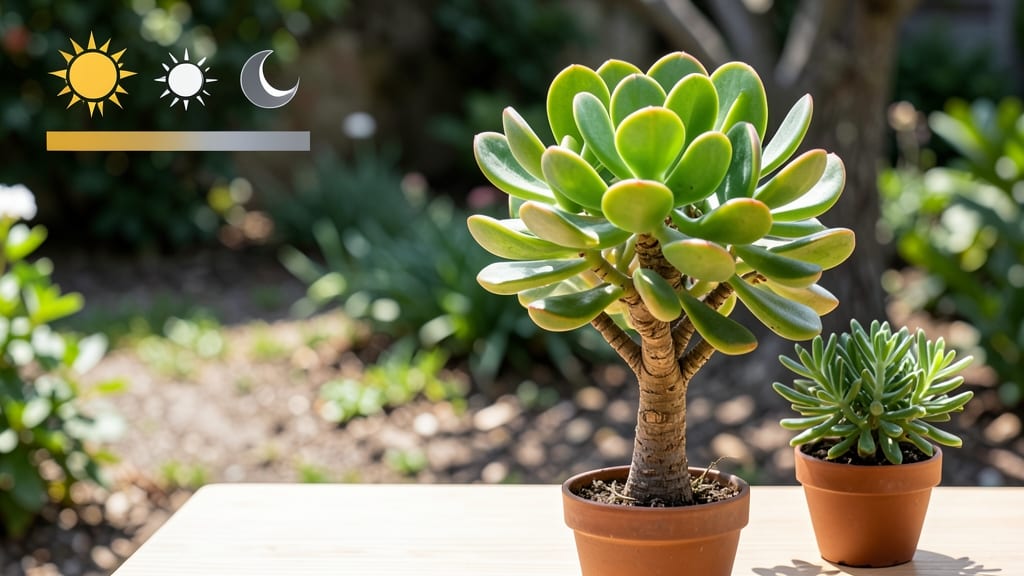
If you’re wondering how much light does a jade plant require, you’re not alone—because these plants aren’t just any succulents. They demand bright indirect sunlight to stay plump and vibrant, yet too much direct sun can turn their leaves into crispy chips.
The trick? Mimicking their natural habitat in South Africa, where they bask in dappled sunlight under shrubs.
Most people overestimate how tough Jade Plants are, thinking they’ll thrive in dim corners or scorching afternoon rays—but that’s a fast track to leggy, weak growth. I’ve seen these plants go from sad and sparse to bushy and beautiful just by tweaking their light exposure.
The key isn’t just how much light they get, but what kind of light and how to adjust it as seasons change.
Whether you’re dealing with a sun-starved windowsill or a plant getting fried by your west-facing glass, I’ll break down the exact light conditions your Jade Plant craves.
You’ll learn how to spot the signs of under- or overlighting, where to place your plant for peak happiness, and even how to supplement natural light when your home falls short. Let’s get those leaves looking like they belong in a greenhouse—not a survival story.
Ready to transform your Jade Plant from struggling to stunning? The solution starts with understanding its light needs—and trust me, it’s simpler than you think. Once you nail this, your plant will reward you with thick, glossy leaves that’ll make every plant lover jealous. Let’s dive in.
 Best Window Placement
Jade plant light requirements: ideal sunlight balance for healthy growth
Jade plants (Crassula ovata) are succulents that thrive under bright indirect sunlight, but their light needs are often misunderstood. Unlike sun-loving cacti, jade plants burn easily in harsh afternoon rays. The key is replicating their natural habitat—dappled sunlight under trees in South Africa’s dry climates.
Ideal light exposure falls between 4-6 hours of bright indirect light daily. This means placing your jade plant near a window where sunlight filters through sheer curtains. Morning sun is gentler than afternoon heat, making east-facing windows the safest choice for indoor setups.
Think of jade plants as sun worshippers with sensitive skin. Too little light causes stretched, pale leaves (a condition called etiolation), while too much leads to brown patches or crispy edges. The goal is a golden balance that keeps leaves thick, glossy, and vibrant green.
Jade Plant Light Requirements Comparison
| Light Condition | Daily Exposure | Leaf Color | Growth Impact |
|---|---|---|---|
| Too Little Light | < 4 hours | Pale yellow-green | Leggy, weak stems |
| Ideal Light | 4-6 hours (indirect) | Rich green | Compact, thick leaves |
| Too Much Light | >6 hours (direct) | Reddish-brown patches | Burnt leaf edges |
*Direct afternoon sun (12-4 PM) is most damaging—avoid south/west windows without protection.
Seasonal adjustments are crucial. During spring and summer, jade plants crave more light, but you’ll need to rotate the pot weekly to prevent uneven growth. In fall and winter, when daylight shortens, move your plant closer to the window or supplement with a 12-hour grow light.
Watch for these tell-tale signs of light stress: Yellowing leaves often mean too much water in low light, while purple-tinged stems signal insufficient light. The secret to success? Mimic their natural environment—bright but filtered sunlight mimics their South African bushveld home.
Pro tip: If your jade plant starts leaning toward the light, it’s not getting enough. Gradually move it to a sunnier spot over 1-2 weeks to avoid shocking the plant. Sudden light changes can cause leaf drop or sunburn.
Outdoor jade plants need acclimation time when moving from indoors. Start with 1 hour of morning sun daily, then gradually increase exposure over 2-3 weeks. This prevents sunburn and helps the plant adjust to UV intensity.
Remember, jade plants are succulents first, ornamental plants second. Their care revolves around light discipline—too much or too little throws off their natural balance. With the right sunlight exposure, your jade will reward you with thick, glossy leaves and compact growth for years.
For extra insurance, place your jade plant 2-3 feet from an east-facing window during peak growth months. This gives them the gentle morning sun they crave without the harsh afternoon rays that cause damage.
How to provide perfect light indoors: window placement hacks for jade plants
Finding the perfect indoor spot for your jade plant can feel like solving a puzzle—too little light and it stretches weakly, too much and it burns. The key lies in bright indirect sunlight, which mimics its natural desert habitat.
Start by placing your plant near an east-facing window, where morning sun is gentle but intense enough to fuel growth without scorching.
West-facing windows offer longer light exposure but risk afternoon heat stress. If you choose this spot, position your jade plant 3-4 feet away to filter harsh rays.
South-facing windows are high-intensity zones—only use them with sheer curtains or a sheer screen to diffuse the light, preventing leaf bleaching or crispy edges.
Window Placement Guide
- East Window: Best for 4-6 hours of gentle morning sun. Ideal for year-round growth.
- West Window: Use with 3-4 feet distance to avoid afternoon sunburn. Best for summer months.
- South Window: Requires sheer curtains or a sheer screen. Monitor for leaf discoloration.
- North Window: Too dim—supplement with a grow light for 6-8 hours daily.
If your home lacks natural light, grow lights are a game-changer. Opt for a full-spectrum LED grow light placed 6-12 inches above your jade plant, providing 12-14 hours of light daily.
Mimic the sun’s arc by adjusting the light’s height as your plant grows—closer in winter, farther in summer. Rotate the pot weekly to prevent lopsided growth from one-sided light exposure.
Watch for tell-tale signs of light imbalance. Pale, stretched leaves signal insufficient light, while brown patches or crispy edges mean too much direct sun. Rotate your plant quarter-turns every 2 weeks to ensure even growth, and avoid placing it near drafty windows or heating vents, which disrupt its light absorption.
For urban dwellers with limited natural light, consider a sun shelf or reflective surfaces like mirrors to amplify light. Even a white-painted wall behind your plant can bounce extra light onto its leaves.
Combine these hacks with well-draining soil and infrequent watering (every 2-3 weeks), and your jade plant will reward you with thick, glossy leaves that rival its outdoor counterparts.
Pro tip: In winter, when daylight shrinks, move your jade plant closer to the window to maximize light exposure. This adjustment helps compensate for shorter days and keeps your plant thriving through the dormant season.