
Plants
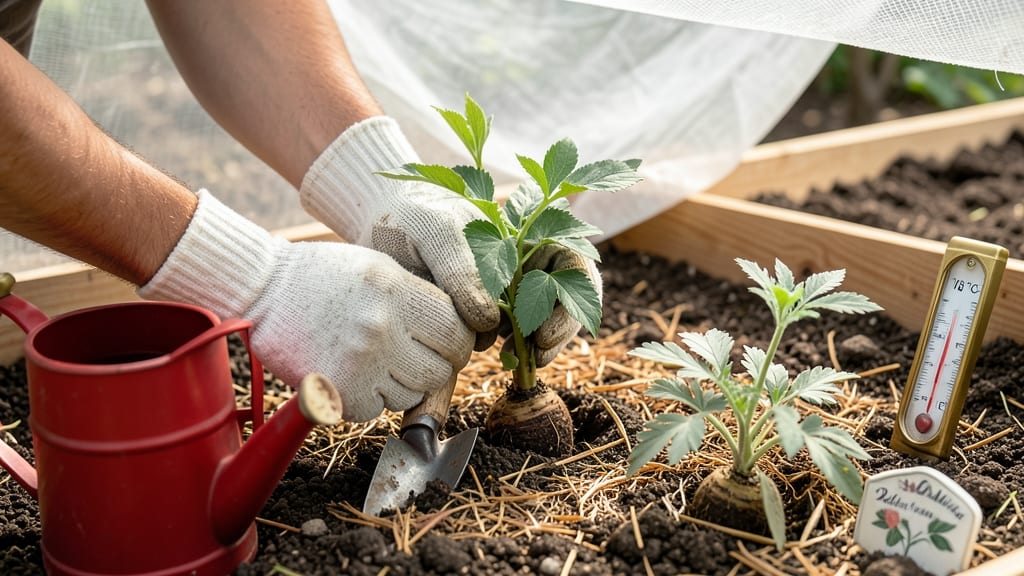
Planting dahlias in South Africa at the wrong time can turn your vibrant 🌸 dreams into wilted disappointment—but timing it right guarantees a garden bursting with color.
The secret lies in waiting until soil temperatures hit a consistent 15°C and frost-free conditions are locked in, which varies dramatically between coastal and inland regions.
Most gardeners in zones 9a-10b should aim for late August to September, when summer’s heat is just around the corner. This window balances warmth and moisture, giving your tubers the perfect start.
But don’t rush—planting too early in cooler months risks tuber rot, while waiting too long means missing peak blooming season.
Here’s what you need to know: soil prep is just as critical as timing, and regional microclimates (like high-altitude areas) demand extra attention.
I’ll walk you through the exact steps to prepare your soil, choose the right planting window for your area, and keep those 🌸 dahlias thriving all season long.
Whether you’re a first-time grower or a seasoned gardener, these insights will help you avoid common mistakes and enjoy a dahlia display that rivals the most prized gardens. Let’s get those tubers in the ground the right way!
South Africa’s ideal dahlias planting timeline by region (soil temp & frost-free dates)
South Africa’s diverse climate means your dahlia planting window depends heavily on where you garden. Unlike frost-prone northern regions, most of South Africa offers year-round growing potential—but soil temperature and altitude still dictate the perfect moment.
Coastal areas like Cape Town can plant as early as mid-July, while highland regions like the Drakensberg may need to wait until October.
The golden rule? Wait until soil reaches a consistent 15°C (59°F) at 10cm depth. Cold soil triggers tuber rot, while waiting too long risks missing peak blooming season.
Most gardeners in USDA zones 9a-10b should aim for late August to September, aligning with South Africa’s spring transition to summer.
Here’s the breakdown by region—because a coastal garden in Durban has different needs than a highland plot in Lesotho:
| Region | Ideal Planting Window | Soil Temp Threshold | Key Consideration |
|---|---|---|---|
| Coastal (Cape Town, Durban) | Mid-July to early August | 15°C+ (sooner due to mild winters) | Watch for winter rains—drainage is critical |
| Inland (Johannesburg, Pretoria) | Late August to early September | 15°C+ (wait for stable warmth) | Light frost risk in June/July—protect tubers |
| Highland (Drakensberg, Lesotho) | October (or wait for spring) | 15°C+ (cooler year-round) | Short growing season—choose early-blooming varieties |
| Subtropical (KwaZulu-Natal) | June to July | 13°C+ (milder winters) | Humidity increases fungal risk—space plants well |
Pro tip: Use a soil thermometer to confirm readiness—especially in sandy soils that warm faster. If your area experiences late frosts (like the Free State), consider starting tubers indoors in July for a head start.
Once planted, dahlias in South Africa’s climate reward patience with 120-150 days of continuous blooms—from October through April. But timing is everything: plant too early, and you risk tuber rot; too late, and you’ll miss peak color. The 15°C soil rule is your best friend here.
For gardeners in frost-prone areas (yes, even parts of South Africa!), I recommend mulching heavily after planting to insulate tubers. A 5cm layer of straw can make the difference between wilted stems and a 🌸 dahlia dream garden.
Now that you’ve got the timeline locked in, let’s talk soil prep—because even the perfect planting window won’t save you from clay-heavy or waterlogged soil. Stay tuned for my next section on 5 signs your soil is dahlia-ready (and how to fix common mistakes).
South Africa’s ideal dahlias planting timeline by region (soil temp & frost-free dates)
South Africa’s diverse climate means dahlia planting windows vary dramatically—from coastal warmth to highland chill. The key is waiting for soil to warm to 15°C+ and ensuring frost-free conditions, which typically arrive in late August to September for most regions.
Coastal areas like Cape Town can start as early as July, while highlands like Johannesburg may need to wait until early October.
Regional differences matter: coastal regions enjoy year-round warmth, while inland areas experience cooler winters. Even within zones 9a-10b, altitude shifts planting dates by 2-4 weeks. For example, Durban’s subtropical climate allows earlier planting, while Pretoria’s highlands demand patience for soil warmth.
Here’s the critical timeline broken down by region to avoid tuber rot or stunted growth:
| Region | Ideal Planting Window | Soil Temp Threshold | Key Consideration |
|---|---|---|---|
| Coastal (Cape Town, Durban) | Late July – Early August | 15°C+ (sooner) | Warmer winters, minimal frost risk |
| Inland (Johannesburg, Pretoria) | Mid-August – Early September | 15°C+ (later) | Cooler nights, wait for warmth |
| Highlands (Drakensberg, Lesotho) | Early – Mid-September | 15°C+ (latest) | Cold winters, frost possible |
| Subtropical (KwaZulu-Natal) | June – July | 15°C+ (earliest) | Tropical warmth year-round |
Use a soil thermometer to confirm readiness—planting too soon in cool soil leads to tuber rot. I recommend testing soil at 10cm depth in the morning for accuracy. Coastal gardeners can push boundaries, but inland growers should never plant before September to avoid frost damage.
Pro tip: Mulch heavily after planting to lock in soil warmth and moisture. In highland areas, consider row covers for early-season protection. This simple step can extend your blooming season by 4-6 weeks.
Once planted, dahlias reward patience with vibrant blooms from October to April. The right timing isn’t just about months—it’s about soil science and regional microclimates. Master these details, and your garden will 🌸 shine brighter than ever.