
How To
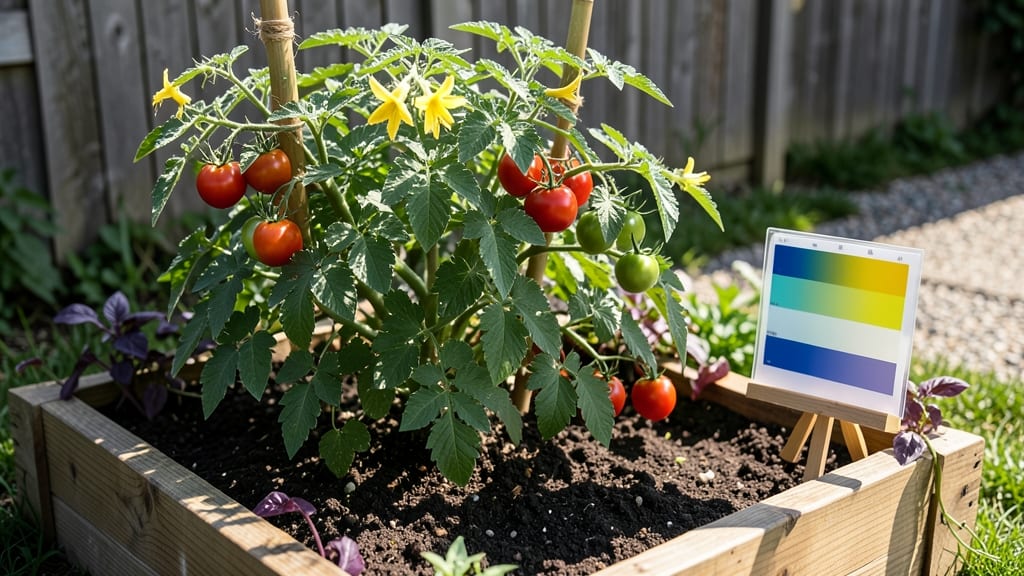
Tomato plant sunlight requirements: minimum hours for fruit production
Tomatoes are sun worshippers, and their light needs are non-negotiable for sweet, flavorful fruit. The minimum sunlight requirement is 6-8 hours of direct sun daily, but most varieties thrive with 8-10 hours—especially in hot climates.
Without enough light, your plants will focus on leafy growth instead of producing fruit, leaving you with bitter, undersized tomatoes or worse, no tomatoes at all.
Think of sunlight as the fuel for photosynthesis, the process that turns water and nutrients into energy for your plant. Indeterminate varieties (like Brandywine or Sungold) need more light because they produce fruit all season long, while determinate varieties (like Roma or Celebrity) can tolerate slightly less if given consistent care.
Even then, cutting corners on light means sacrificing flavor and yield.
| Variety Type | Sunlight Needs | Fruit Production Impact |
|---|---|---|
| Indeterminate (vining) | 8-10+ hours | Continuous fruiting; needs extra light to support heavy loads. |
| Determinate (bush) | 6-8 hours | Single harvest; tolerates slightly less sun but still needs full sun for best flavor. |
| Cherry Tomatoes | 7-9 hours | High yield; requires consistent light to prevent fruit cracking. |
Measuring sunlight accurately is tricky because shade changes throughout the day. A spot might get 4 hours of sun in the morning but be shaded by a tree or fence in the afternoon.
Use a sunlight tracker or observe your garden from 6 AM to 8 PM for at least a week. If your plants are in partial shade (like under a 30% shade cloth), they’ll still need supplemental light to produce quality fruit.
Seasonal adjustments are key, too. In spring and fall, when days are shorter, your tomatoes might need extra protection from wind or reflective surfaces (like white walls or mulch) to bounce light onto leaves.
During summer solstice, however, afternoon shade between 2 PM and 5 PM can prevent sunburn on leaves and fruit, especially in USDA Zones 8-10.
Don’t fall for the myth that tomatoes need scorching heat to thrive. While they love warmth, consistent sunlight is more critical than extreme temperatures. In cooler climates (Zones 3-6), extend the growing season with row covers or cold frames to give plants more light hours.
Even a south-facing window with a grow light can work for container-grown tomatoes on a patio.
If you’re growing in containers or raised beds, prioritize location over pot size. A 5-gallon pot in a shady spot won’t outperform a 1-gallon pot in full sun. Move pots to sunnier areas as needed, and avoid placing them near tall structures that cast long shadows.
For urban gardeners, consider vertical trellises to maximize light exposure for vining varieties.
Here’s a pro tip: Prune lower leaves to improve airflow and let more light reach the fruit-bearing zones. Remove any suckers (side shoots) that compete for sunlight, and stake or cage your plants to keep them upright. This ensures energy goes to fruit production instead of sprawling growth.
Remember, light quality matters too. Direct sunlight (especially morning sun) is ideal, but diffused light (like through a sheer curtain) is better than deep shade.
If your tomatoes start looking leggy or pale, they’re begging for more light. Act fast—poor light conditions can reduce yields by up to 50%.
🌱
How to provide perfect sunlight for tomatoes in different growing conditions
Not all gardens offer the perfect 6-8 hours of sunlight tomatoes crave. Urban balconies, shaded patios, or high-altitude climates can make sunlight tricky. The good news? With smart strategies, you can still grow vibrant, productive tomato plants.
Let’s explore how to maximize light in any setting—from container gardens to partial shade spots.
First, identify your garden’s sunlight patterns. Use a sunlight tracker (or a simple app) to measure how many hours of direct sun your space gets. If you’re under 6 hours daily, you’ll need to compensate with techniques like reflective surfaces or supplemental lighting.
Even 4-6 hours of sun can work for determinate varieties, but indeterminate types will struggle.
For containers or balconies, choose south-facing positions to capture the most sunlight. If your balcony faces north, rotate pots every few days to ensure even exposure. Place white or light-colored walls behind your plants to reflect extra light—this can boost sunlight by up to 30%.
A simple trick: hang a mirror or aluminum foil on the north side of your containers.
Move pots to the sunniest spot by 10 AM and bring them in by 4 PM if temps rise above 90°F.
Place white gravel or light-colored mulch around containers to bounce light upward.
Dwarf or bush tomatoes (e.g., 'Tiny Tim' or 'Patio Princess') thrive in 4-6 hours of sun.
LED grow lights (12-16 hours/day) can replace missing sunlight, especially in winter or overcast climates.
Trim overgrown trees or tall plants blocking sunlight by at least 3 feet around your tomatoes.
Turn containers 180° every 3-4 days to prevent leggy growth from uneven light.
If you’re dealing with partial shade (e.g., dappled light under trees), opt for shade-tolerant varieties like 'Solar Fire' or 'Mountain Merit.' These can handle 4-5 hours of direct sun and still produce fruit.
Avoid cherry tomatoes, which need full sun to ripen properly. In high-altitude gardens (above 5,000 feet), sunlight is more intense—use shade cloth (30-50%) during peak hours to prevent sunscald on leaves.
Watch for blossom end rot, a common issue when tomatoes get too much sun without consistent water. This happens when soil dries out quickly under intense light. To fix it, mulch heavily with straw or wood chips and water deeply in the morning only.
If your tomatoes are bitter or mealy, they’re likely getting too much heat without enough water—a classic sign of sunburn stress.
Remember, morning sun is gentler than afternoon heat. If you must provide afternoon shade, use a lightweight shade cloth (avoid dark fabrics, which trap heat). With these adjustments, even shady or urban gardens can yield sweet, sun-ripened tomatoes—no scorching heat required! 🌱