
Plants
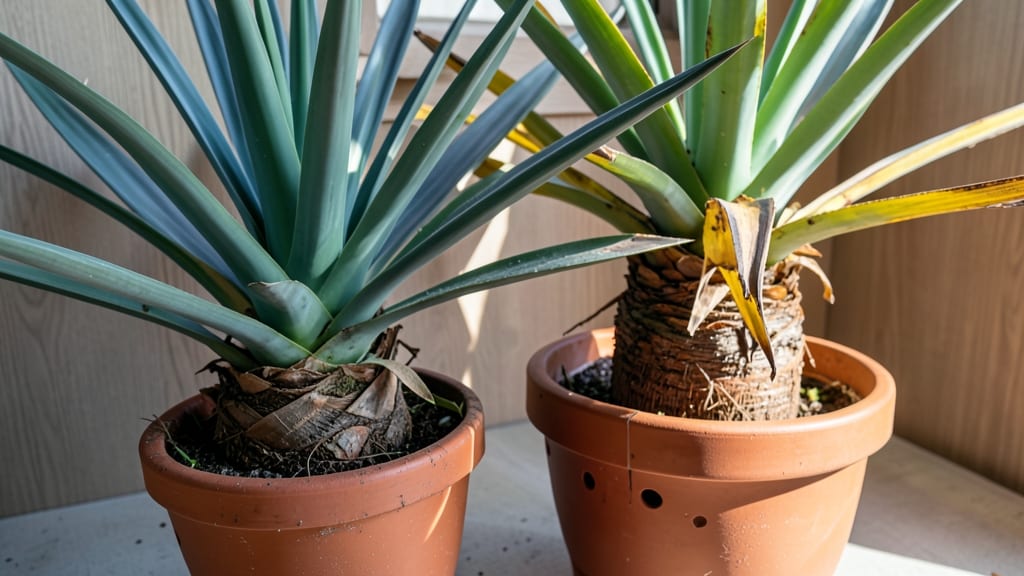
If you’re wondering how much light does a yucca plant need, the answer might surprise you—too much sun can actually harm it. Many gardeners accidentally overdo it, leading to crispy leaves or stunted growth, when the real secret is finding the perfect balance.
Yuccas are tough and adaptable, but they’re not as sun-hungry as you’d expect. While they love bright light, they can handle partial shade too, making them perfect for both sunny gardens and shadier spots. The key is understanding how much light your specific variety needs and adjusting care accordingly.
In this guide, I’ll break down exactly how much sunlight your yucca plant truly needs—whether you’re growing it outdoors in Zone 6a or indoors near a window. You’ll also learn how to spot signs of too much (or too little) light and fix it fast.
Ready to give your yucca the ideal light conditions? Let’s make sure it stays healthy, happy, and looking its best all season long.
 Best Window Placement
Yucca plant light requirements: ideal sunlight exposure for healthy growth
Yucca plants thrive in bright, direct sunlight, but their tolerance for low-to-medium light makes them versatile for various growing conditions. Unlike many succulents, yuccas can adapt to partial shade without losing their striking form, though growth may slow.
The key is understanding their photosynthetic needs—they require 6-8 hours of sunlight daily to maintain vibrant foliage and robust growth.
In full sun conditions (6+ hours of direct sunlight), yuccas develop their signature deep green or blue-gray leaves and grow more vigorously. However, they can also tolerate 4-6 hours of sunlight in partial shade, especially in hot climates where afternoon sun might cause stress.
This adaptability is why yuccas are popular in xeric landscapes and urban gardens with limited sunlight.
Geographic location plays a critical role in determining the ideal light exposure. In USDA Zones 7-10, yuccas can handle intense afternoon sun with ease, while in cooler Zones 4-6, they may benefit from morning sun and afternoon shade to prevent winter damage.
Always observe your plant’s response to light—leaf color and growth rate are the best indicators of whether they’re getting enough.
🌵 Yucca Light Requirements Summary
Seasonal adjustments are essential for yucca care. During spring and summer, when sunlight is most intense, yuccas can handle full sun exposure without issue. However, in fall and winter, when daylight hours decrease, supplement with grow lights or move plants closer to windows to maintain their health.
This is especially important for container-grown yuccas, which are more susceptible to light deprivation.
One common misconception is that yuccas require constant full sun like cacti. While they do love sunlight, their thicker leaves and shallow roots allow them to tolerate brief periods of shade better than most succulents.
For example, a yucca rostrata (beaked yucca) can thrive in partial shade if given bright, indirect light for at least half the day.
If you’re growing yuccas in containers, rotate them every 2-4 weeks to ensure even light exposure. This prevents one-sided growth and keeps the plant compact.
For outdoor yuccas, mulch around the base with gravel or bark to reflect extra light onto the leaves, which can boost photosynthesis during low-light periods.
For gardeners in cloudy or high-altitude regions, consider planting yuccas near reflective surfaces like white walls or light-colored gravel. These surfaces can bounce extra light onto the plant, mimicking the effects of direct sunlight.
Over time, you’ll notice healthier foliage and fewer signs of stress like yellowing or drooping leaves.
Remember, yuccas are drought-tolerant, but their light needs are non-negotiable. Even a single week of insufficient light can cause irreversible damage. By providing the right balance of sunlight and shade, you’ll enjoy a low-maintenance, long-lived plant that adds architectural interest to any garden.
Signs of over-sunlight and under-light in yucca plants (with fixes)
Yucca plants may look tough, but they’re not immune to light-related stress. Over-sunlight causes crispy, brown leaf edges, while under-light leads to pale, stretched growth. Both conditions weaken your plant’s resilience and stunt its growth potential. The key is recognizing these signs early to adjust care before permanent damage occurs.
For sunburned yuccas, look for white or brown patches on leaves, often near leaf tips. These areas feel dry or papery to the touch. In contrast, under-lighted yuccas develop long, leggy stems with sparse foliage, a condition called etiolation. Both issues require immediate attention to restore balance.
Yucca Light Balance Guide
✅ Ideal Light Conditions
- 6-8 hours of direct sunlight daily
- Morning sun + afternoon shade in extreme heat
- South or west-facing windows for indoor plants
❌ Common Mistakes
- Placing yuccas in full afternoon sun without acclimation
- Keeping them in north-facing windows with no supplemental light
- Moving plants suddenly between shade and full sun
Quick Fixes
Sunburned leaves: Prune damaged tips and move to partial shade for 2 weeks.
Leggy growth: Rotate plant toward brighter light and consider a grow light for indoor setups.
If your yucca shows yellowing leaves, it could signal nutrient deficiency from poor light absorption. Unlike sunburn, this yellowing starts between leaf veins and spreads inward.
Test your soil’s pH—yuccas prefer 6.0-7.5—and amend with compost if needed. Pair this with gradual light exposure increases to avoid shocking the roots.
For etiolated yuccas, avoid drastic light changes. Instead, introduce 1-2 extra hours of light weekly. Place the plant near a bright window or under a grow light for 12 hours daily. Monitor for new growth—healthy leaves should be rigid and blue-green, not floppy or pale.
Root rot from overwatering stressed plants often mimics light issues. Check the soil: if it smells sour or feels mushy, reduce watering and improve drainage. Use a well-draining cactus mix and ensure pots have drainage holes. This prevents both light-related stress and moisture-related decline.
My yucca’s leaves developed crispy edges after a heatwave. I moved it to dappled shade and trimmed the damaged tips. Within 3 weeks, new growth emerged—proof that even stressed yuccas recover with the right adjustments. Patience and gradual changes are key to reviving your plant.