
Plants
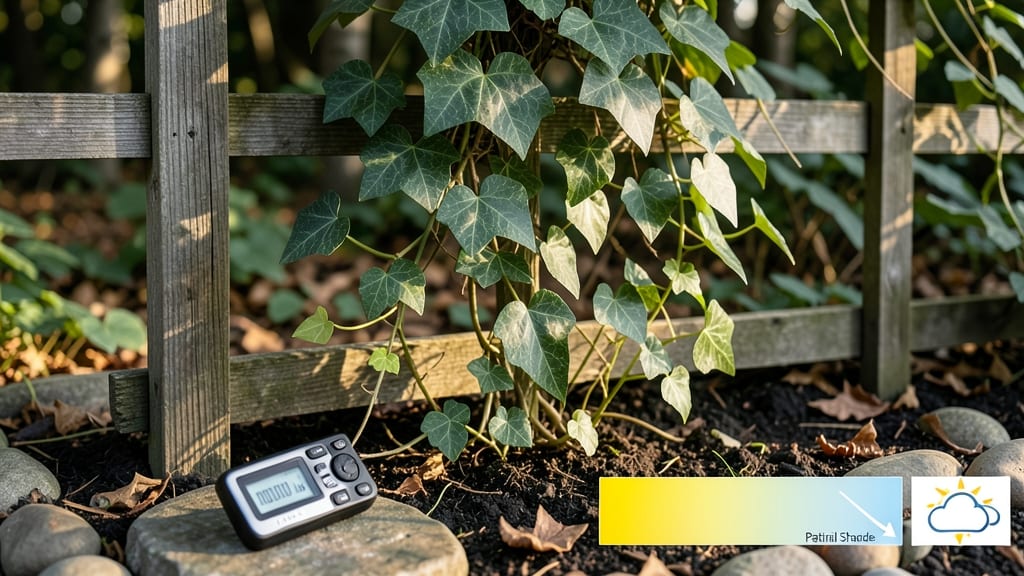
To keep your ivy plant thriving, understanding how much light it needs is the game-changer between a lush, vibrant vine and a struggling, leggy mess.
This hardy plant is one of the most adaptable around, but even ivy 🌿 has its limits—too little light and it stretches desperately, too much and it burns.
Ivy loves bright, indirect sunlight, making it perfect for east or west-facing windows where it gets morning or afternoon rays without harsh midday glare. In lower-light spaces, like north-facing rooms or shaded corners, it’ll still grow—but expect slower growth and fewer leaves.
The key is finding that sweet spot where your ivy feels just right.
Outdoors, ivy thrives in partial shade, especially in USDA Zone 6a where spring planting is ideal. If your plant starts looking pale or stretched, it’s begging for more light. On the flip side, crispy edges or yellowing leaves mean it’s getting too much direct sun.
Let’s break down exactly how to adjust care based on your ivy’s light conditions.
Whether you’re dealing with a spring indoor plant or an outdoor vine, I’ll show you how to spot the signs and make simple tweaks—like rotating the pot or adding a sheer curtain—to keep your ivy happy year-round. Ready to give your plant the perfect light setup?
 Best Window Placement
Ivy plant light requirements: the perfect balance between too little and too much
Ivy plants are famously adaptable, but their light requirements are often misunderstood. Too little light leads to weak, leggy growth, while too much causes yellowing leaves and crispy edges. The key is finding that sweet spot—bright indirect sunlight—where your ivy thrives without stress.
Whether you're growing English ivy indoors or Hawaiian ivy outdoors, mastering light exposure will transform your plant from struggling to stunning.
Ivy naturally grows in woodland understories, where dappled sunlight filters through tree canopies. This means it’s perfectly suited for low to moderate light conditions, but it won’t tolerate harsh midday sun or deep shade for long periods.
Understanding these nuances helps you place your ivy in the ideal spot—whether that’s a north-facing window or a shady corner of your garden.
For a quick reference, here’s how much light your ivy plant truly needs:
| Light Condition | Ideal Hours/Day | Best Placement | Signs of Stress |
|---|---|---|---|
| Low Light (Under 2 hrs) | 2-3 hours | North-facing window or deep shade | Leggy growth, pale leaves |
| Moderate Light (2-4 hrs) | 4-6 hours | East/west window, filtered sunlight | Healthy green growth, compact leaves |
| Bright Indirect (4+ hrs) | 6-8 hours | 2-3 ft from south window, sheer curtain | Dark green leaves, slow growth |
| Direct Sun (Over 4 hrs) | 0-2 hours max | Outdoor shade cloth (30-50%) | Brown tips, crispy edges |
If your ivy is growing leggy and sparse, it’s begging for more light. Rotate the pot every few weeks so all sides get even exposure, or move it closer to a sunny window.
For indoor ivy, a south-facing window with a sheer curtain is ideal—it filters harsh rays while providing plenty of brightness. Outdoor ivy? Place it where it gets morning sun and afternoon shade, like under a tree canopy or on a north-facing wall.
Watch for yellowing leaves as a red flag—this often signals too much direct sun. Ivy can handle some afternoon shade, but prolonged exposure to hot midday rays will scorch its delicate foliage.
If you notice crispy edges, move your plant to a shadier spot immediately. A simple trick? Use a light meter app to check lux levels—ideal ivy light ranges between 1,000-3,000 lux.
Seasonal adjustments are key. In winter months, when sunlight is weaker, supplement with a grow light for 4-6 hours daily if your ivy starts looking weak. Conversely, in summer heat, provide afternoon shade to prevent leaf burn.
Outdoor ivy may need temporary shade cloth if temperatures exceed 85°F, especially for varieties like Swedish ivy, which is more sensitive to heat stress.
Pro tip: Ivy’s growth rate slows in low light but speeds up with better conditions. If you’re aiming for rapid vine growth, aim for 4-6 hours of bright indirect light daily.
This is especially important if you’re training your ivy to climb a trellis or cover a wall—it needs energy to produce strong stems. For compact foliage, like in Hawaiian ivy, slightly lower light (2-4 hours) encourages bushier growth.
Don’t forget to monitor your ivy’s leaf color—healthy ivy should be a vibrant, deep green. If leaves turn yellow with brown spots, it’s a sign of sunburn.
Move it to a spot with filtered light and avoid placing it near heat sources like radiators or glass windows in direct sunlight. For indoor ivy, dust the leaves regularly to ensure they absorb light efficiently—dust buildup can reduce light intake by up to 20%.
Whether your ivy is indoors or out, the goal is consistency. Sudden changes in light exposure—like moving a potted ivy from a dim corner to a sunny windowsill—can cause leaf drop or shock.
Acclimate your plant gradually by moving it incrementally closer to its new light source over 7-10 days. This gives your ivy time to adjust and prevents stress-related damage.
With the right light balance, your ivy will reward you with lush, glossy leaves and vigorous growth. Experiment with placement, observe your plant’s response, and soon you’ll have the perfect spot to keep your ivy thriving year-round. Happy growing!
Ivy plant light requirements: the perfect balance between too little and too much
Ivy thrives in low to bright indirect sunlight, making it one of the most adaptable plants for indoor and shaded outdoor spaces. Unlike sun-loving plants, ivy cannot tolerate harsh direct rays, which can scorch its delicate leaves.
Instead, it craves dappled light or filtered sunlight that mimics its natural forest-floor habitat. Understanding these nuances is key to preventing common issues like yellowing leaves or leggy growth.
Outdoors, ivy flourishes under partial shade conditions, such as near trees or on north-facing walls. Indoors, place your ivy within 3-6 feet of a window, ideally an east- or west-facing one, where morning or afternoon sun is gentler.
South-facing windows can work, but you’ll need to filter the light with sheer curtains to avoid leaf burn.
Here’s how to spot light-related problems in your ivy:
| Condition | Signs | Solution |
|---|---|---|
| Too Little Light | Pale, yellowing leaves; long, weak stems | Move to brighter indirect light; use a grow light 6-8 hours/day |
| Too Much Light | Brown, crispy leaf edges; sunburn spots | Relocate to shade; add a sheer curtain |
| Ideal Light | Deep green, glossy leaves; compact growth | Maintain current placement; rotate plant weekly for even growth |
Seasonal adjustments are crucial. In winter, when natural light dims, supplement with a 12-inch grow light for 4-6 hours daily to prevent legginess. Conversely, during summer’s intense midday sun, move potted ivy to a shaded patio or indoors to avoid heat stress.
Outdoor ivy on walls or trellises will naturally adjust, but monitor for wilting or discoloration as a warning sign.
For indoor ivy, rotate the pot every 2-3 weeks to ensure even light exposure. This prevents one side from stretching toward the window while the other remains weak.
If you notice new growth leaning dramatically, it’s a clear signal to reposition your plant closer to a light source or adjust its angle.
Pro tip: Ivy’s variegated varieties (like ‘Glacier Ivy’) need slightly more light to maintain their striking patterns, while solid green types are more forgiving. Always introduce light changes gradually—sudden exposure can shock the plant and cause leaf drop.
With the right balance, your ivy will reward you with year-round lushness, whether climbing a trellis or cascading from a hanging basket. 🌿